The automotive world is a minefield of missed opportunities and misunderstood brilliance. Some of the most beloved collector cars today? They actually started life as commercial flops—awkward, unloved, and sometimes even ridiculed.
It’s wild, honestly, how a car that once gathered dust in showrooms can become a prized possession years later. These stories show just how unpredictable the collector market can be and how a vehicle’s reputation can flip on its head with time and a little nostalgia.
1) Ford Mustang SVO
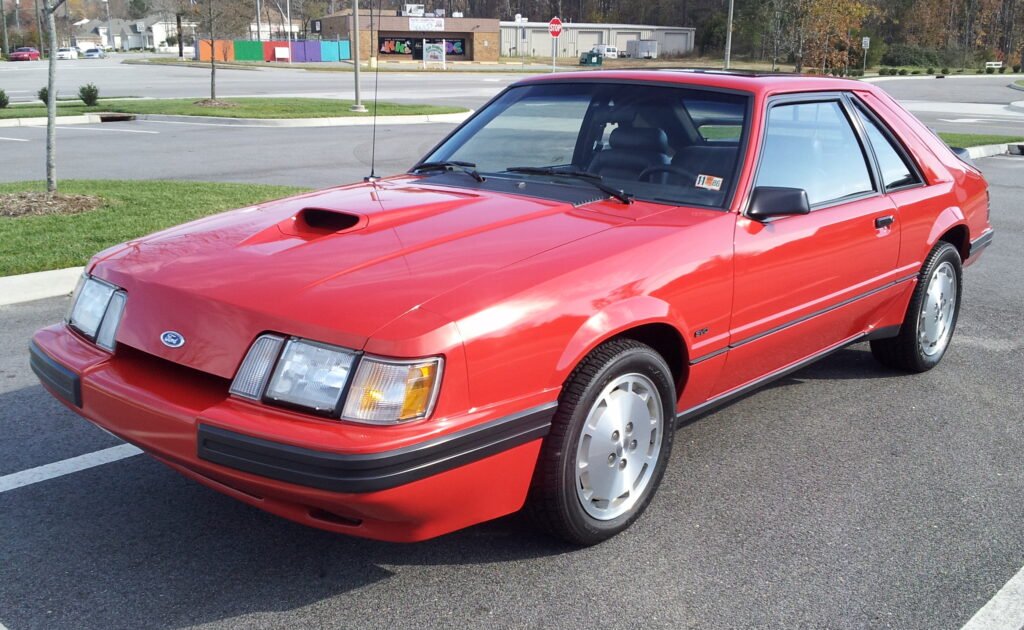
Back in 1984, Ford took a gamble with the Mustang SVO. They dropped a turbocharged four-cylinder into a car that everyone expected to have a V8, and, well, people were confused.
The SVO’s 2.3-liter turbo engine put out 175 horsepower and 210 lb-ft of torque. That matched the V8 Mustang GT’s power, but it just didn’t have the same punch off the line.
Instead of drag racing glory, Ford aimed the SVO at drivers who cared about handling and finesse. The lighter engine made the car nimble—almost European in its approach.
But Mustang fans weren’t ready for this. A four-cylinder in a Mustang? It was practically heresy at the time.
Still, Ford gave the SVO unique suspension, special bodywork, and tech that most American cars ignored. They pitched it as a car for thinkers, not brawlers.
Sales were, to put it politely, underwhelming. The price was steep, and the tech felt risky to buyers who just wanted a classic V8 rumble.
Now? Collectors see the SVO as a car that was simply ahead of its time. Turbocharged fours are everywhere, and the SVO’s engineering finally gets the respect it deserves.
It’s become a bit of a legend among Mustang fans. Prices keep climbing as people realize how rare and forward-thinking this oddball really was.
2) Chevrolet Corvette C4 ZR-1
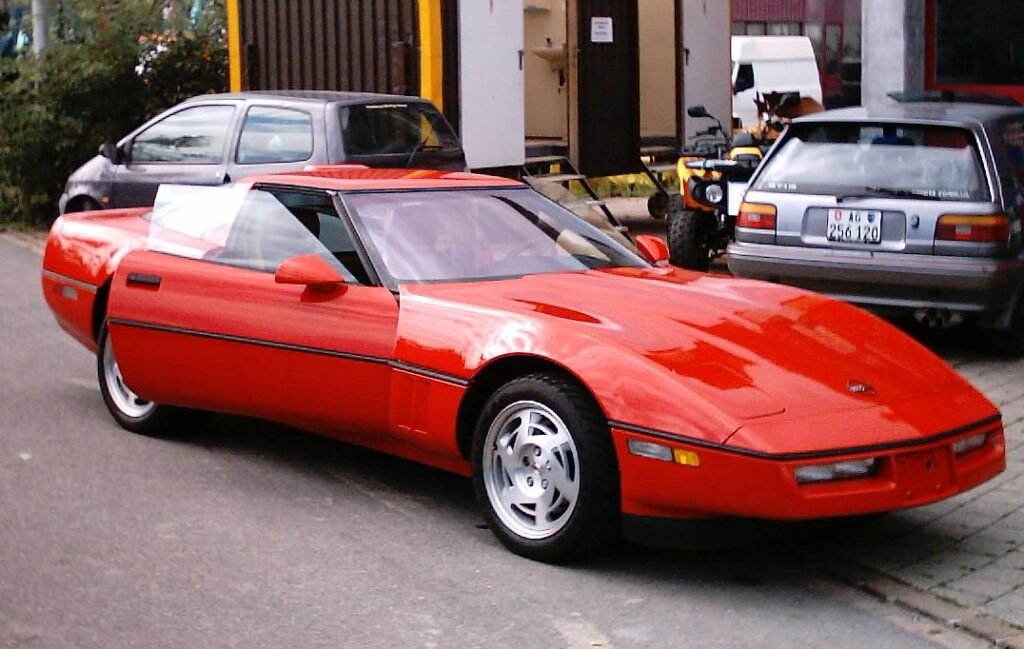
When Chevy introduced the Corvette ZR-1 in 1990, it was a monster on paper. Car and Driver called it the “Corvette from Hell”—and for good reason.
Under the hood sat a Lotus-designed, Mercury Marine-built V8. It churned out 375 horsepower, which was wild for the time.
The ZR-1 could outrun some of the best from Porsche and Ferrari. It was faster, sharper, and just… more.
But there was a catch. The price tag almost doubled that of a regular Corvette, which made buyers hesitate. Would you pay exotic money for a Chevy badge?
Chevy only sold 3,032 ZR-1s in 1990, and numbers stayed low through 1995. The market just didn’t bite.
Fast forward, and the tables have turned. Collectors now chase the ZR-1 for its rarity and wild engineering.
People finally see the ZR-1 as one of the most collectible modern Corvettes. Experts keep calling the C4 the next big thing in the collector world, especially the ZR-1 with its limited numbers and serious performance.
3) Audi Quattro

In 1980, Audi launched the Quattro and basically asked, “Why not AWD for performance?” Most buyers didn’t get it. All-wheel drive seemed like a weird, expensive complication.
Back then, Audi was just a fancy Volkswagen to most people. It couldn’t quite shake off that image, especially against BMW and Mercedes-Benz.
The Quattro was pricey, and its complex drivetrain scared off buyers and mechanics alike. Repairs weren’t exactly cheap or easy.
But then came rally racing. The Quattro wiped the floor with its competition, and suddenly, everyone woke up to the magic of AWD.
This car didn’t just win races—it changed the game. The 2.1-liter turbo five-cylinder engine is still music to the ears of enthusiasts today.
Nowadays, original Quattros fetch serious money at auctions. With over 11,000 built between 1980 and 1991, they’re rare enough to make collectors drool.
It’s almost poetic. The car everyone once called “too complicated” is now a must-have for any serious collector. Values just keep climbing as its legend grows.
4) DeLorean DMC-12
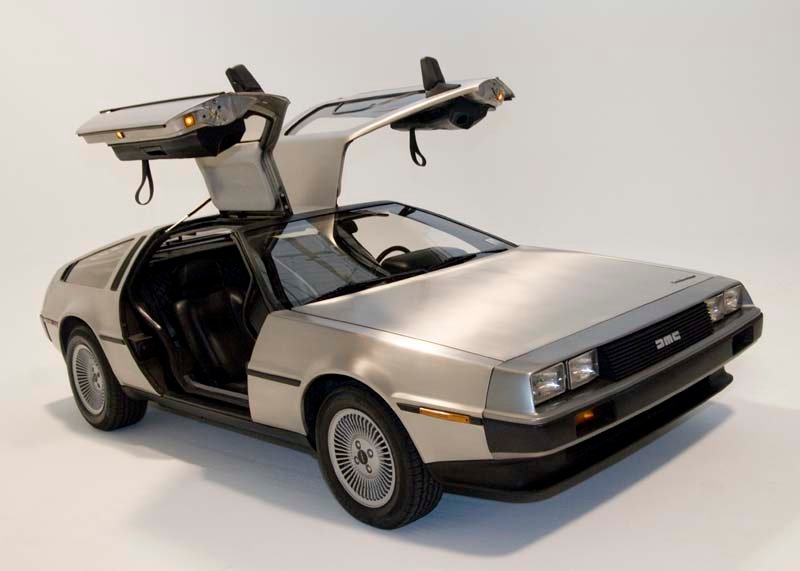
The DeLorean DMC-12 might be the poster child for cars that went from flop to fortune. That stainless steel body and those gull-wing doors? People either loved them or hated them—there was no middle ground.
Production started in 1981 in Northern Ireland, but the company hit roadblocks right away. Build quality was rough, and electrical gremlins were everywhere.
The engine—a 2.8-liter V6—barely managed 130 horsepower. Performance was, frankly, underwhelming for a car that looked like a spaceship.
Sales peaked in 1981 and 1982 with 7,452 units, but quality issues and John DeLorean’s legal troubles spelled doom. By 1983, production was over, with about 9,200 cars made in total.
Then Hollywood stepped in. Back to the Future turned the DeLorean into a pop culture icon, erasing memories of its rocky start.
Today, collectors chase the DMC-12 for its unique looks and movie magic. Its cult status is undeniable—proof that sometimes, controversy and charisma are all you need to turn a disaster into a classic.
5) Toyota Supra Mk4
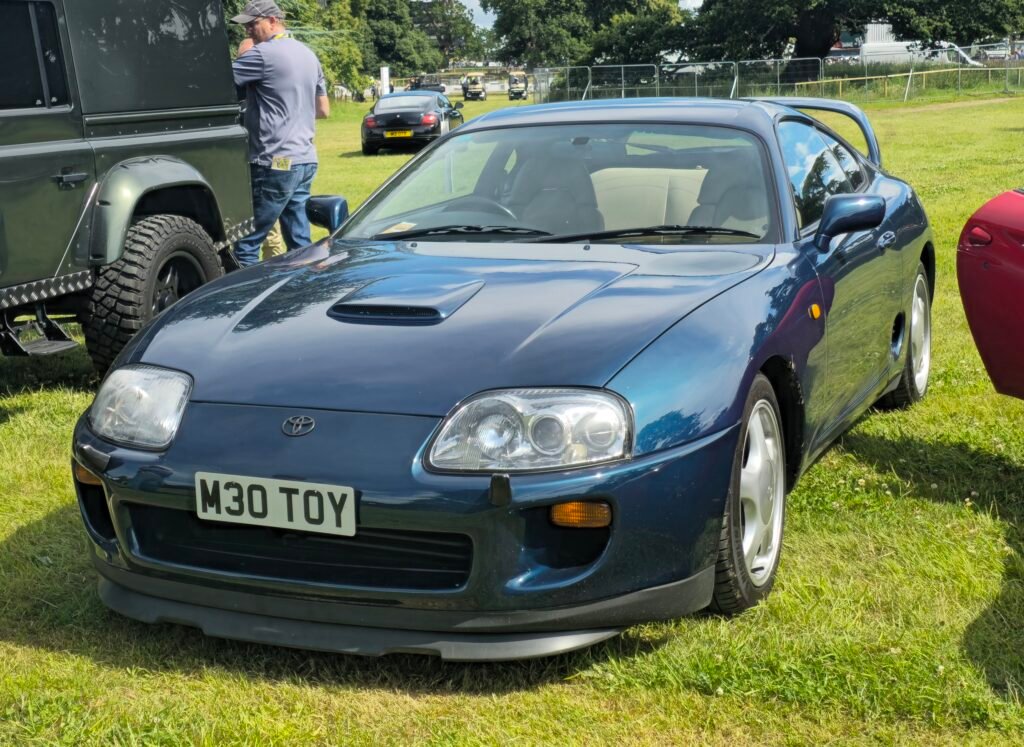
The Toyota Supra Mk4, launched in the early ’90s, quietly exited the U.S. market after just five years. Sales were sluggish, and buyers looked elsewhere.
High prices and so-so marketing didn’t help. Most people picked cheaper or more established sports cars.
But the Supra had a secret weapon: the 2JZ-GTE twin-turbo engine. Tuners quickly realized this thing could take insane amounts of power with just a few tweaks.
Movies and video games suddenly put the Supra in the spotlight. A whole new generation discovered its potential.
With only about 11,000 Mk4 Supras sold in the U.S., scarcity became its friend. Demand soared, especially for unmodified, clean examples.
Now, the Mk4 Supra is a modern classic. Prices have skyrocketed, with some selling for many times their original cost.
Honestly, the design still looks fresh. The proportions and lines just work, even decades later.
And let’s not forget Toyota’s legendary build quality. The Supra’s reliability and engineering have only added to its mystique.
What started as an overlooked sports car is now a worldwide phenomenon. It’s a textbook case of a car going from flop to fortune.
Key Factors Behind Initial Commercial Struggles
Poor Market Timing is honestly the classic culprit behind so many automotive market failures. Sometimes, a car shows up before anyone’s ready—or even interested.
The DeLorean DMC-12 hit the streets smack in the middle of an economic slump. A $25,000 price tag in 1981? Yeah, that was a big ask for most folks.
Reliability Issues haunted a surprising number of cars that are now collectibles. Early owners got a front-row seat to breakdowns and wallet-draining repairs.
The Jaguar E-Type, for example, had a reputation for electrical gremlins and overheating. Not exactly the stuff of practical daily drivers—people noticed.
Brand Positioning Mistakes tripped up even some seriously cool rides. Sometimes, manufacturers just aimed at the wrong crowd or didn’t really explain what made their car special.
Take the BMW M1. BMW tried to sell it as a street-legal race car, which limited its audience. Plenty of luxury buyers might’ve loved it if they’d been given a reason.
Production Problems also derailed a few future legends. Messy supply chains and spotty availability frustrated potential buyers and generated bad press, not buzz.
Catalysts for Later Popularity and Appreciation
Nostalgia Factor really can’t be overstated when it comes to cars that failed but are now collectibles. Adults who grew up dreaming about these cars finally get to buy them, sometimes just for the thrill.
Movies and pop culture? Game changers. The DeLorean’s cameo in “Back to the Future” turned it from flop to fortune—suddenly, everyone wanted one.
Rarity Premium often comes about because so few were built in the first place. Low sales numbers meant only a handful survived, and now collectors chase them like hidden treasure.
Design Appreciation is another wild card. Cars that looked strange or futuristic decades ago now look daring, even visionary, as tastes change.
Think about those wedge-shaped designs from the ‘70s and ‘80s. The Lotus Esprit practically screams that era, and now? It’s a design icon.
Mechanical Improvements have changed the game, too. With modern restoration and better parts, even the most problematic cars are way more livable today.
Investment Potential draws in a different crowd—people who see these failed cars that became valuable as assets, not just toys. Market trends show that serious collectors have gotten savvier and more strategic.
Market Trends and Valuation Shifts
It’s wild to watch a car go from commercial flop to collector favorite. Scarcity and nostalgia are like rocket fuel, especially when the media and online communities fan the flames. Suddenly, the cars everyone ignored become the ones everyone wants.
Role of Rarity and Nostalgia in Value Increase
Low production numbers? That’s the golden ticket for collector interest. Cars that bombed at launch become rare gems decades later. The collector car market in 2025 really rewards scarcity—prices just keep climbing.
Key rarity factors include:
- Short production runs thanks to lackluster sales
- Lots of cars lost to neglect or the junkyard
- Most examples ending up in just a few regions
Nostalgia tends to run in 25- to 30-year cycles. People who grew up idolizing these cars finally get the means (and maybe the courage) to buy them, creating new waves of demand.
The DeLorean DMC-12 is the poster child here. Fewer than 9,000 built before the company fizzled out. Now? Clean ones fetch $50,000–$80,000, even with all their quirks.
BMW’s E30 M3? Same story. It didn’t sell well in the U.S. at first, making it rare—now, it’s a six-figure darling at auctions. Its racing roots just add to the legend.
Influence of Media and Car Culture on Perception
Hollywood has a knack for turning yesterday’s flops into today’s legends. Movies, TV shows, and video games breathe new life into cars that once struggled to find a place in the market.
Take the DeLorean, for example. Back to the Future didn’t just rescue its reputation—it catapulted this failed sports car straight into pop culture stardom.
Now, the DeLorean’s not just a collector car that was a market failure. It’s a symbol, a time machine, and honestly, who wouldn’t want to own a piece of movie magic?
Car enthusiast communities love rewriting the script for these underrated cars that are now worth money. Online forums and YouTube channels highlight their quirks, sometimes glossing over those original flaws.
Enthusiasts on social media? They’re like digital storytellers, spinning tales that make these automotive market failures feel like misunderstood geniuses.
Younger collectors are chasing after the cars they grew up with. It’s wild—suddenly, 1990s and 2000s models are hot property.
Gaming culture’s impact is huge, especially for the younger crowd. If a car pops up in Gran Turismo or gets the spotlight in Fast & Furious, it’s almost guaranteed to gain a cult following.
The Mitsubishi 3000GT and Toyota Supra? Both went from flop to fortune, thanks to that digital spotlight.
Documentaries and automotive journalism dig deeper, offering fresh perspectives. They often reframe failed cars that became valuable as misunderstood or even visionary.
Maybe it’s a little dramatic, but this kind of storytelling helps classic cars that were ahead of their time finally get the respect—and price tags—they deserve. Ford and other brands have seen their own missteps become collector favorites, proving that sometimes, the market just needs to catch up to innovation.
Final Words
In the end, these cars prove that failure isn’t final—it’s just the first lap. What once gathered dust now turns heads at auctions worldwide. Time, nostalgia, and passion rewrote their stories. In the collector world, every flop has a shot at redemption—and sometimes, that’s what makes them unforgettable.
Thanks for reading! If you enjoyed this deep dive, be sure to subscribe to my email list for exclusive car reviews, insider tips, and weekly special offers on car parts, auctions, and gear — perfect for any car enthusiast.
And don’t forget to read related posts for more great content!
Frequently Asked Questions
1. Why do some cars that failed originally become valuable later?
Because time changes everything. What once looked weird or overpriced can later seem visionary. Rarity, nostalgia, and pop culture often turn forgotten flops into collector gold.
2. Which car is the best example of a flop-turned-classic?
The DeLorean DMC-12 is the ultimate example. It struggled with performance and quality issues, but Back to the Futuremade it a cultural icon worth tens of thousands today.
3. How does nostalgia affect car values?
Huge impact. When people who grew up dreaming about certain cars finally have the money to buy them, demand spikes—and so do prices. It’s the nostalgia cycle in action.
4. Are these once-failed cars good investments?
Often, yes—but not always. Values depend on rarity, originality, and condition. A clean, unmodified example of a once-overlooked model can bring serious money today.
5. What lessons do these stories teach automakers?
Innovation isn’t always appreciated right away. Cars like the Mustang SVO or Audi Quattro prove that being ahead of your time can hurt sales—but history eventually rewards bold ideas.