Let’s be honest—when it comes to tuned cars, there’s no one-size-fits-all answer. **Do tuned cars hold their value?** Well, it depends on a bunch of factors that can swing things either way.
The impact on resale value really comes down to the quality of the modifications, solid documentation, and, crucially, finding a buyer who actually cares about those performance tweaks. Quality car tuning services can cost thousands of dollars, but let’s not kid ourselves—dumping money into mods doesn’t always mean you’ll get it back at resale.
Professional modifications often attract car enthusiasts who crave more power and personality. On the flip side, mainstream buyers and dealerships usually side-eye tuned vehicles, worrying about reliability or the dreaded voided warranty.
The work put into enhancing a vehicle’s performance can significantly influence its resale value, but only if you can back up the quality and legitimacy of those upgrades.
So, which modifications actually help? And which ones tank your resale prospects? It’s all about knowing how buyers perceive tuning, what paperwork matters, and how to enjoy the extra power without torching your wallet.
How Third-Party Tuning Impacts Car Value
Third-party tuning gets mixed reactions in the car world. Some folks love it, others run for the hills.
Buyer perception changes a lot depending on the type and quality of the mods. There’s a market, but it’s mostly among enthusiasts, while most buyers just want a stock ride.
Perception of Aftermarket Modifications
Let’s face it—most buyers get nervous when they see aftermarket mods. Car buyers often associate tuning with reliability concerns, thinking about botched installs or stressed-out engines.
Performance tweaks like turbo swaps get especially harsh scrutiny. People worry about future repair bills and mechanical headaches.
Conservative buyers usually avoid tuned cars because they:
- Question long-term reliability
- Fear warranty voids
- Worry about insurance complications
- Prefer manufacturer-tested components
Visual mods, like body kits, are a different beast. Some buyers love the custom look, but others see it as tacky or over-the-top.
The reputation of the tuning shop changes everything. Well-documented modifications from reputable tuners can boost buyer confidence, while questionable work from unknown shops? Yeah, that’s a red flag.
Age plays a role, too. Younger buyers are more open to mods, while older folks usually stick with stock.
Market Demand for Tuned Vehicles
The market for tuned vehicles is pretty niche. Enthusiast groups keep demand alive, but let’s be real—it’s a small slice of all car buyers.
High-demand modifications include:
- ECU remapping from trusted tuners
- Performance exhaust systems
- Suspension upgrades
- Intake mods
Sports cars and performance models generally fare better with mods. Turbocharging a Miata or a Mustang? That’s more appealing than modding a minivan.
Location matters, too. Urban areas with strong car enthusiast communities are way more accepting than small towns.
Even the season makes a difference. Spring and summer bring out buyers looking for fun, while winter buyers want reliability and practicality.
Brand reputation is huge. Premium brands like BMW or Audi usually keep value better after tuning than budget cars.
Effect on Resale and Trade-In Value

Modified cars rarely recoup what you spent on mods. Most owners only get back 20-40% of what they put into upgrades.
Trade-in values? Even worse. Dealerships see mods as risky, so they’ll often lowball you.
Here’s what you might get back on common mods:
| Modification | Typical Value Recovery |
|---|---|
| ECU Tuning | 30-50% |
| Body Kit | 15-25% |
| Exhaust System | 25-35% |
| Turbo Upgrade | 20-40% |
Professional install docs help a lot. Good records can boost buyer confidence and help you ask for more.
Mods you can reverse keep resale prospects higher. Buyers like knowing they can return a car to its original state.
High-mileage tuned cars lose value even faster. People assume those engines have had a harder life.
Popular Types of Third-Party Modifications
Most tuning companies focus on three main areas: performance, suspension, and looks. Performance upgrades and suspension modifications make the car drive better, while aesthetic changes make it stand out.
Performance Upgrades
Performance mods aim to improve how the car handles, brakes, and feels on the road. Suspension upgrades—like lowering springs and coilovers—sharpen cornering and reduce body roll.
Bigger brakes, better pads, and stronger calipers help you stop faster and keep things cool under pressure.
Wheels and tires matter more than people think. Lightweight alloys cut weight, and wider tires grip better in the corners.
Some common performance mods:
- Suspension lowering kits
- Performance brakes
- High-flow air intakes
- Sport exhausts
- Performance wheels and tires
Cold air intakes and exhaust upgrades work together to boost power and give the engine a meaner sound. It’s not just about speed—it’s about attitude.
Aesthetic Enhancements
Visual mods let owners put their stamp on a car. Body kits—front splitters, side skirts, diffusers—change the whole vibe.
Custom paint or vinyl wraps can make a car pop. Wild colors sometimes attract buyers who want something unique.
Inside, you’ll find custom upholstery, upgraded dashboards, and killer sound systems. It’s about making the cabin feel special.
Popular appearance mods:
- Body kits and aero parts
- Custom paint or graphics
- LED lighting upgrades
- Interior trim swaps
- Aftermarket wheels and styling packs
Window tint and LED headlights don’t just look good—they make driving better and safer at night.
Engine Modifications
Engine tuning is where things get spicy. ECU remapping lets you tweak fuel, timing, and boost for more power.
Turbo upgrades—bigger turbos, intercoolers, supporting mods—can add serious horsepower. But you’ve got to tune it right or risk blowing things up.
Some go deeper, swapping pistons, rods, or cams to handle the extra power. That’s not for the faint of heart.
If you’re chasing big power, you’ll need better fuel delivery—think bigger pumps and injectors.
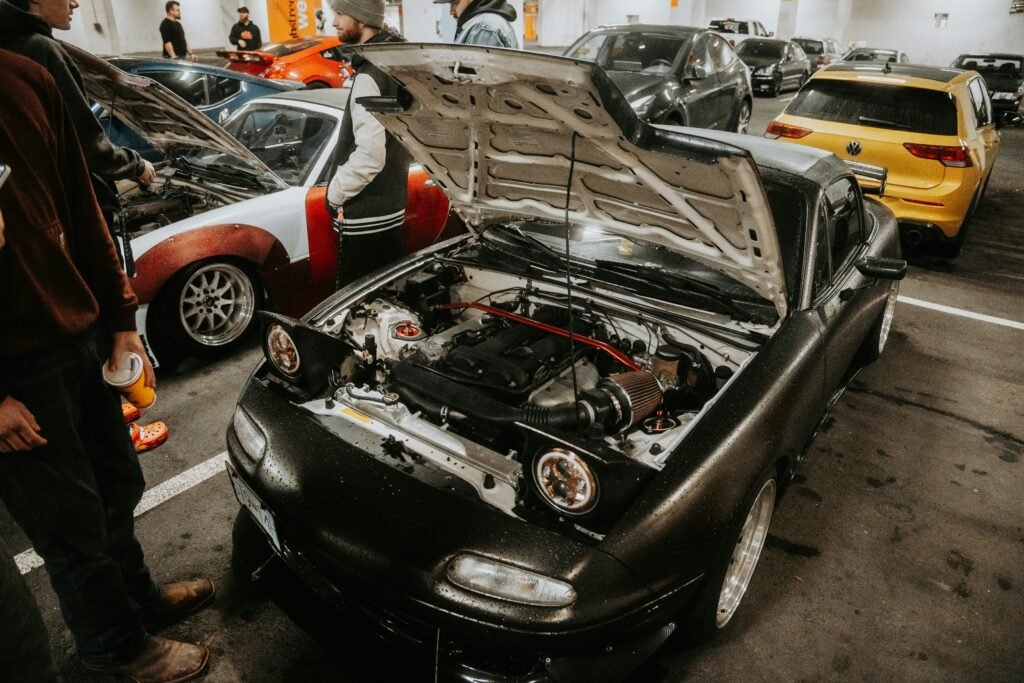
Main engine mods:
- ECU tuning/remapping
- Turbo/supercharger systems
- Internal engine upgrades
- Fuel system upgrades
- Cooling system mods
Upgraded cooling—bigger radiators, oil coolers—keeps things from melting down during spirited drives.
Key Factors Affecting Value Retention
The resale value of tuned cars depends on the tuner’s reputation, solid documentation, and finding buyers who actually want those mods.
Quality and Brand of Tuning
The shop’s name on your build sheet matters—a lot. Well-known tuners like APR, Cobb, or Hennessey can really help with resale value.
Big-name tuners use proven parts and often back their work with warranties. That’s a huge confidence boost for buyers.

Brands that hold value:
- APR (Volkswagen/Audi)
- Cobb Tuning (Subaru/Ford)
- Hennessey Performance
- Roush Performance
- Saleen
Unknown or sketchy shops? Buyers get nervous. If they can’t verify the work, they’ll walk—or at least offer less.
How the mods were installed is just as important. Aftermarket modifications can reduce value if the install looks sloppy. Clean wiring and a factory finish help a lot.
Documentation and Maintenance Records
Paperwork is king. Buyers want proof—tuning invoices, dyno sheets, install photos. Without it, you’re just telling stories.
Show before-and-after performance numbers. Keep a parts list to prove you used quality stuff.
What buyers want to see:
- Original tuning invoices
- Dyno results
- Install photos
- Parts receipts/warranties
- Post-tuning maintenance records
Staying on top of maintenance is even more important with tuned cars. More power means more wear. Service records show you cared.
Pro tip: Keep the original parts. Lots of buyers want the option to go back to stock, so stash that old ECU or exhaust in the garage.
Finding the Right Buyer
Getting top dollar for a tuned car is all about finding the right buyer. Enthusiasts know what they’re looking at and will pay for quality work.
Most regular buyers get cold feet around mods. They worry about headaches and higher insurance. That shrinks your pool of buyers.
Who to target:
- Performance enthusiasts
- Brand-specific fans
- Track day folks
- Collectors
Try enthusiast forums and specialty dealers—they’ll understand the mods and value them properly. Online sites like Bring a Trailer attract knowledgeable buyers who do their homework.
Location also plays a role. If you’re in California or Texas, there are way more buyers who appreciate performance upgrades than in small towns.
Risks and Considerations for Tuned Cars
Let’s not sugarcoat it—third-party tuning brings risks. You could void your warranty, struggle with insurance, or run into reliability gremlins that outweigh the thrill of extra horsepower.
Warranty and Insurance Implications
When you let third-party companies mess with your engine software or hardware, most factory warranties go out the window. Manufacturers will almost always deny coverage for repairs tied to any tuned parts—even if your mod isn’t the direct culprit.
Insurance companies? They’re usually not fans of modified vehicles. Modified cars may face increased insurance premiums because they see them as riskier for accidents and theft.
Some insurers want a full list of every mod before they’ll even consider coverage. Others just flat-out refuse to insure heavily tuned rides, which can be a real headache.
Key Insurance Challenges:
- Higher monthly premiums
- Fewer coverage options
- Need for professional appraisals
- Struggling to find insurers willing to cover you
Most owners wind up needing specialty insurance policies, which cost a lot more than your average coverage. You’ll have to get your car professionally appraised to set a value for all those modifications.
Legal Compliance and Emissions
Here’s the thing: tuned cars often can’t pass federal or state emissions standards. Many performance mods either remove or bypass emissions controls, which can make your car illegal to drive on the street.
California? Forget about most engine mods there. Their emissions laws are brutal, and more states are following suit, which leads to failed inspections and registration headaches.
Common Legal Issues:
- Failed emissions testing
- Registration renewal denied
- Traffic stops and tickets
- Resale nightmares in strict states
Some mods even break federal Clean Air Act rules, and that can mean fines for both you and the shop that did the work. It’s not just a slap on the wrist—sometimes it’s a real wallet-buster.
If you’re trying to sell in an area with tough emissions laws, buyers might just walk away from a non-compliant car. That shrinks your potential resale market fast.
Long-Term Reliability Concerns
Performance mods push engine parts way harder than the factory ever planned. Tuning can ramp up the risk of sudden breakdowns and expensive repairs, and honestly, it’s a gamble.
If you’ve got a turbocharged engine and you tune it past factory specs, you’re asking for trouble. More boost can blow up engines, fry transmissions, or overheat your cooling system.
Common Reliability Problems:
- Engine knock and detonation
- Transmission overheating
- Clutch and drivetrain wear
- Cooling system failures
Some tuning shops get a bit wild, chasing peak power at the cost of your engine’s life. That aggressive tuning can shave thousands of miles off your engine’s lifespan—no joke.
Maintenance for tuned cars costs more than for stock ones. You’ll need premium fuel, more frequent oil changes, and you’ll probably swap out performance parts way more often than you’d like.
Potential buyers often see tuned cars as risky. They figure the previous owner drove it hard and might’ve left behind some hidden damage.
Final Words
At the end of the day, tuning is a gamble—equal parts art, science, and passion. The right mods can boost value and performance; the wrong ones can bury both. It all comes down to quality, documentation, and restraint. Tune smart, keep your records tight, and let your build tell its story.
Thanks for reading! If you enjoyed this deep dive, be sure to subscribe to my email list for exclusive car reviews, insider tips, and weekly special offers on car parts, auctions, and gear — perfect for any car enthusiast.
And don’t forget to read related posts for more great content!
Frequently Asked Questions
Third-party tuning can make things complicated—vehicle value, insurance, warranty coverage, all of it. If you’re thinking about mods, it’s smart to know how they’ll impact your ride’s future and your wallet.
How does aftermarket tuning impact the resale value of a vehicle?
Aftermarket tuning can swing your resale value up or down, depending on a bunch of factors. Top-notch tuning can cost a fortune and might boost value, but finding the right buyer is like searching for a unicorn sometimes.
Location matters—a lot. In the US, Japan, and Germany, people love tuned cars, so selling there is easier. But in other places? Not so much.
If your mods are low quality—think cheap body kits or sloppy installs—you’ll tank the value. Shoddy work makes cars look sketchy, and most buyers will run the other way.
Engine mods are a red flag for some folks. They see performance upgrades and assume you drove the car hard, which means extra wear on everything under the hood.
What types of modifications can increase a car’s value?
Sometimes, unique paint colors do the trick. Custom colors can make your car pop and draw in enthusiasts who want something different.
Performance mods that actually make the car better—like more power, sharper handling, or smoother rides—can be a magnet for driving fans. They want that thrill behind the wheel.
Some pro tuning companies work magic, turning plain cars into collector-worthy rides. Certified tuners can make even a Honda Civic feel special.
High-end audio and interior upgrades can help, too, but only if they’re done right. Cheap speakers or DIY jobs just don’t cut it here.
Can modifications to a car affect its insurance premiums?
Absolutely—modified cars almost always cost more to insure than stock ones. Insurers see certain mods as magnets for theft or accidents, so you’ll pay extra.
If you want your custom parts covered, you’ll need to negotiate with your insurer. That usually means an appraisal and a pricier policy.
Performance mods like turbochargers or suspension tweaks spike your premiums way more than cosmetic stuff. Insurers just see more risk, plain and simple.
Sometimes, standard insurers just say no. In that case, you’ll be looking at specialty companies that focus on modified vehicles.
How do car modifications impact the vehicle’s warranty and marketability?
Tuning can void your manufacturer warranty, depending on what you’ve changed and the fine print. The Magnuson-Moss Warranty Act says they can’t cancel your warranty for no reason, but if your mods cause damage, you’re on your own.
ECU tuning is especially risky. If you mess with the engine management, any related problems probably won’t be covered.
Modified cars just don’t have as many buyers as stock ones. People worry about reliability and higher repair bills, so they steer clear.
Getting a loan for a heavily modified car? Good luck. Most banks and credit unions won’t touch them, or they’ll jack up your interest rate.
What should be considered before selling a modified car to a dealership?
Dealerships usually lowball trade-in offers for modified cars. They prefer stock vehicles that are easy to sell and don’t need a backstory.
If you can, return your car to stock before trading it in. Save your original parts so you can swap them back and maybe sell the aftermarket parts separately for extra cash.
Keep all your documentation—mod lists, receipts, dyno sheets—it helps prove your car’s value. Dealers and serious buyers want to see proof that the work was done right.
Some specialty dealers actually love modified cars and will pay fair prices. Performance-focused dealerships know the tuned car scene and can appreciate the value you’ve added.
How is the value of a modified vehicle assessed by industry standards like Kelley Blue Book?
Let’s be honest—standard valuation tools like Kelley Blue Book basically ignore most modifications. They focus on stock vehicle specs and market data for totally unmodified cars, so your custom exhaust or turbo kit? Not even on their radar.
When you want a real number for your tuned ride, you need a professional appraisal. Certified appraisers actually look at the quality of your mods, how well they were installed, and whether people in your area are even looking for a car like yours.
Insurance appraisals and resale appraisals aren’t the same thing, by the way. Insurance companies care about what it’d cost to replace your car, while resale appraisals dig into what buyers will actually pay for your unique setup.
Vehicle history reports can help too. They show the car’s story and any modifications, giving you a baseline value before you even start haggling over what those mods are worth.