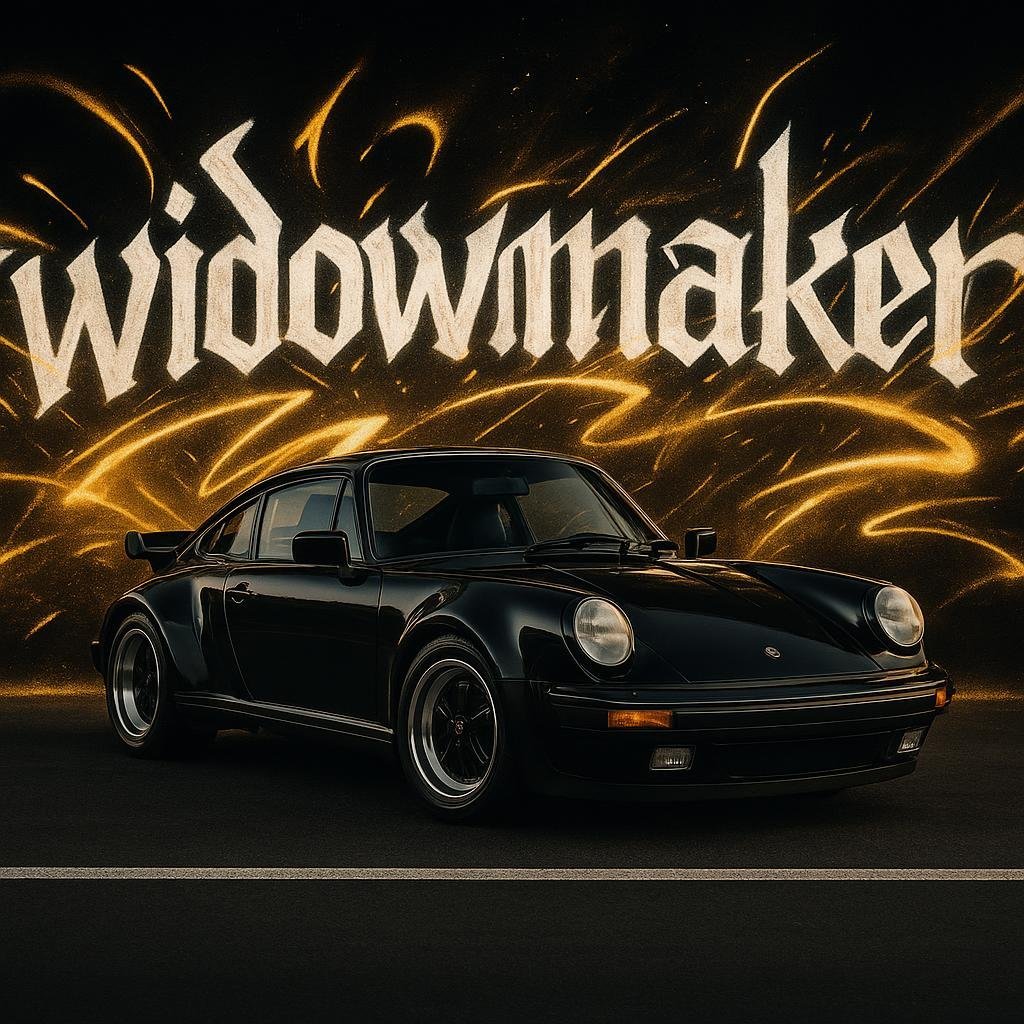
The Porsche 930 Turbo is one of those rare cars that sits at the intersection of fear and respect. Built from 1975 to 1989, this turbocharged icon didn’t just change the 911 lineup—it redefined what people expected from a supercar.
They call it the “Widowmaker” for a reason. Its sudden turbo punch and that famously rear-heavy setup could throw even experienced drivers for a loop—sometimes with tragic results.
The rear-engine layout combined with turbo lag gave the 930 Turbo a reputation for handling that bordered on dangerous if you weren’t ready for it. This car wasn’t just another response to emissions rules; it became a legend, and honestly, nothing else drives quite like it.
Back when it launched, the 930 Turbo was Germany’s fastest production car. These days, it’s a collector’s dream, with prices soaring thanks to its rarity, history, and that wild driving experience you just can’t get in today’s cars.
History and Development
The Porsche 930 Turbo didn’t just appear out of thin air. It was born from a blend of racing ambitions and the oil crisis in the early ’70s. Porsche’s turbocharged gamble would set the tone for future high-performance sports cars.
Origins and Inspiration
Porsche started tinkering with turbos for their Can-Am racers and to keep up with new Group 5 racing rules. Racing was in their blood, and they saw the writing on the wall with emissions and fuel prices climbing.
The 1973 oil crisis pushed Porsche to look for ways to make smaller engines without sacrificing power. Turbocharging seemed like the magic bullet.
Ernst Fuhrmann, Porsche’s technical boss, really drove the project. He wanted to bring race tech to the street—a classic Porsche move.
Their work on the 917/30 Can-Am beast, which made over 1,100 horsepower, proved what turbos could do. Lessons from that monster fed straight into the 930.
Key Development Timeline:
- 1972: Turbo experiments kick off
- 1973: Project 930 gets the green light
- 1974: Testing and tweaks wrap up
Why It’s Called the Widowmaker
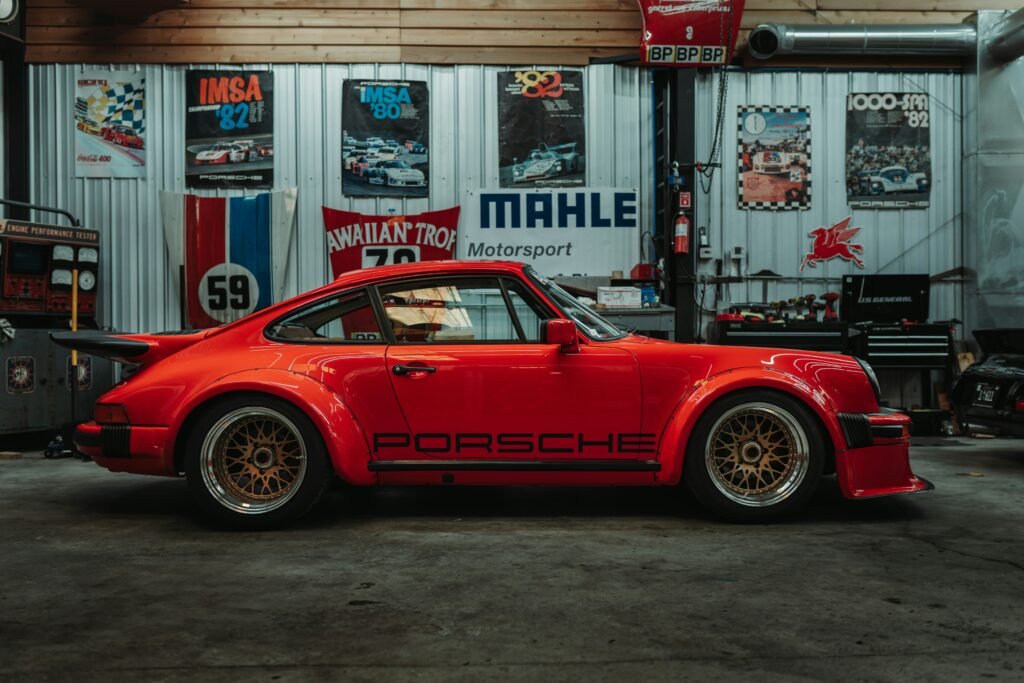
The Porsche 930’s “Widowmaker” nickname didn’t come from thin air. Its mix of unpredictable turbo lag, tricky handling, and real-world tragedies made it infamous.
Unforgiving Power and Turbo Lag
Let’s talk about that turbo. The 930’s engine didn’t deliver power smoothly—it was more like flipping a switch than pressing a pedal.
The early 3.0-liter engine made 256 horsepower, and later, the 3.3-liter bumped that up to 296 horsepower. But numbers don’t capture the chaos of that turbo surge.
You’d press the throttle and… nothing. Then, suddenly, the turbo would spool and unleash a tidal wave of power, often right when you didn’t want it—like mid-corner.
That sudden jolt could break the rear tyres loose in an instant. Most drivers just weren’t ready for it.
The four-speed manual didn’t help much, either. Wide gear ratios meant you had to linger in that danger zone, just waiting for the boost to slam in.
Handling Challenges and Oversteer
With the engine swinging out past the rear axle, the 930’s weight distribution was, well, pretty wild compared to front-engine sports cars.
This setup made the car incredibly tail-happy. Under hard throttle or sudden inputs, the rear end was all too eager to swing out.
Snap oversteer wasn’t just a quirk—it was the car’s signature move. The back end could step out so quickly that even skilled drivers struggled to catch it.
And with a short wheelbase, there was almost no time to react. Once the rear broke loose, your fate was sealed in a blink.
Early 930s skipped modern safety nets like:
- Traction control
- Anti-lock brakes
- Electronic stability programs
So, it was just you, your reflexes, and a whole lot of nerve. The 930 Turbo’s unforgiving handling and raw power could be a recipe for disaster if you weren’t up to the challenge.
Infamous Reputation and Real-Life Incidents
The “Widowmaker” moniker wasn’t some marketing stunt—it came from actual tragedies. People lost their lives in these cars, cementing the 930’s legend as both icon and warning.
One particularly grim story is that of Donald Fresh, who died when his 930 Turbo spun into traffic. His wife, Cynthia Files, was behind the wheel.
That incident led to a lawsuit and a $2.5 million settlement, putting a spotlight on just how dangerous the car could be for the uninitiated.
As more crashes made headlines, the 930’s “Widowmaker” reputation only grew. In Germany, they didn’t mince words—they called it “Witwenmacher.”
Journalists and racers alike warned that you needed serious skill and respect to tame the 930. Many buyers, flush with cash but not experience, learned that lesson the hard way.
The mix of brutal power and tricky handling made this car as much a test of nerve as of driving talent.
Engine and Performance
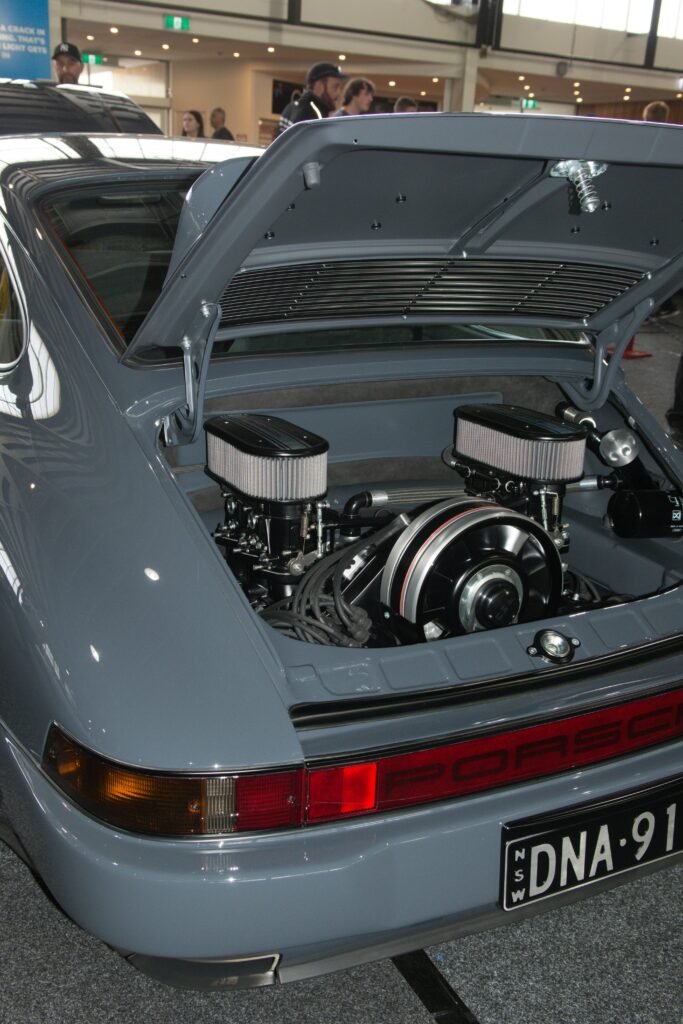
The Porsche 930 Turbo came with a 3.0-liter flat-six and KKK turbo tech, putting out 260 horsepower. That was enough to rocket the car from 0-62 mph in 5.5 seconds and past 155 mph flat out.
Flat-Six Engine and Turbocharging Technology
Porsche stuck with their flat-six, but chose the 3.0-liter over the smaller 2.7 after tests showed less turbo lag and better off-boost manners.
The KKK turbo ran at about 0.8 bar of boost, suddenly transforming the engine from docile to ferocious.
Race experience from the 917/10 and 917/30 fed directly into the 930’s turbo system. Porsche didn’t just bolt on a turbo—they engineered it for the street, making their first-ever turbocharged production car.
Performance Specs and Upgrades
The original 930 Turbo’s numbers still impress:
Key Performance Metrics:
- Power Output: 260 horsepower (191 kW)
- 0-62 mph: 5.5 seconds
- Top Speed: Over 155 mph (250 km/h)
- Engine: 3.0-liter turbo flat-six
In 1977, Porsche rolled out the 3.3-litre with an intercooler. That meant more power and better heat management—essential for pushing the limits.
The intercooler let Porsche safely crank up the boost, a trick straight from the racetrack. This race-proven tech became standard and kept the 930 at the front of the pack.
Turbocharger and Power Output
The single KKK turbocharger gave the Porsche 930 Turbo its wild, unmistakable power delivery. You’d feel a noticeable turbo lag at lower RPMs, and then—bam!—a sudden, dramatic rush of power as the turbo spooled up.
This on-off powerband shaped the 930 Turbo’s famously tricky handling. Porsche engineers had to get creative squeezing the turbo into that already-packed 911 engine bay.
They kept boost pressure conservative at 0.8 bar, aiming for reliability over sheer madness. The turbo system spun up using exhaust gases, compressing the intake air and unlocking that classic surge of power.
Speaking of exhaust gases, just take a listen to this beast’s incredible sound
Homologation and Racing Influence
The 930 Turbo’s development had one foot in the race track. Porsche needed 400 road cars for Group 4 and 5 homologation, so the racing and road car teams worked hand-in-hand.
They sweated the details: turbo placement, intercooling, engine management—all tuned for racing but street-legal. The KKK turbo sat on the right, which shaped the car’s unique engine note and that famous whale-tail spoiler.
Race-bred versions like the 934 and 935 hit the track and dominated, proving Porsche’s turbo vision.
Debut and Public Reaction
The 911 Turbo debuted at the 1973 Frankfurt Motor Show. That silver prototype, with its whale-tail and flares, turned plenty of heads.
Reactions were strong. Some praised its speed, others feared its handling. The turbo lag and sudden power made for a driving experience that, frankly, scared people.
Initial Specs:
- Engine: 3.0-liter turbo flat-six
- Power: 260 horsepower
- Top Speed: 155 mph
- 0-60 mph: 5.4 seconds
Sales started in 1975, just in Europe at first. At $25,900, it was the priciest 911 and an instant flagship.
Early buyers got a wake-up call—this car didn’t suffer fools. The “Widowmaker” nickname stuck fast.
Motorsport Innovations and World Firsts
The 930 Turbo didn’t just break records; it set new standards. It was Germany’s fastest production car and the first mass-produced turbo sports car.
Porsche invented the first practical automotive waste-gate, controlling boost and saving engines from self-destruction. That tech spread everywhere.
They also figured out how to squeeze an intercooler into the right rear fender, creating the car’s signature side intake. Cooling and packaging—solved, Porsche-style.
Technical Innovations:
- First production car with electronic boost control
- Pioneered intercooler use in sports cars
- New heat-resistant exhaust materials
- Advanced turbo oil scavenging
Turbocharging had a spotty history before the 930, but Porsche made it work for real-world driving. That’s no small feat.
Lap Records and Awards
When the 930 Turbo hit the scene in 1975, it instantly became Germany’s fastest production car. That debut seriously shook up the high-performance world and solidified Porsche’s reputation.
Adapted for motorsport, the 930 Turbo dominated racing series and wowed journalists everywhere. Track tests proved its straight-line speed was jaw-dropping, but on tight circuits, only truly skilled drivers could tame its handling quirks.
Exterior, Interior, and Aerodynamics
The Porsche 930 Turbo took the familiar 911 shape and dialed it up with aggressive bodywork and purposeful aerodynamic tweaks. Inside, the cabin felt like a blend of luxury and pure driving focus, but it never lost its 911 soul.
Wide Body and ‘Whaletail’ Rear Wing
The 930’s wide fender flares and bold bodywork broke away from the standard 911 look. Those flares made room for much bigger tires—absolutely necessary to put the turbo’s power down.
But let’s be honest, the rear “whaletail” spoiler steals the show. That massive wing wasn’t just for looks; it gave the 930 Turbo its signature silhouette and helped keep the rear end planted at speed.
Porsche designed that spoiler to generate real downforce, countering the 911’s notorious rear-heavy balance and making high-speed runs less white-knuckle. The fender flares stretched the car a full 3.1 inches wider than a base 911, giving it a stance that screamed performance.
Gone were the shiny chrome bumpers—Porsche swapped in black rubber impact bumpers for a modern look and to meet safety rules of the time.
Interior Features and Updates
Inside, the 930 Turbo kept the classic five-gauge 911 dash but added a turbo boost gauge right in your line of sight. It’s a small touch, but it constantly reminds you this isn’t your average 911.
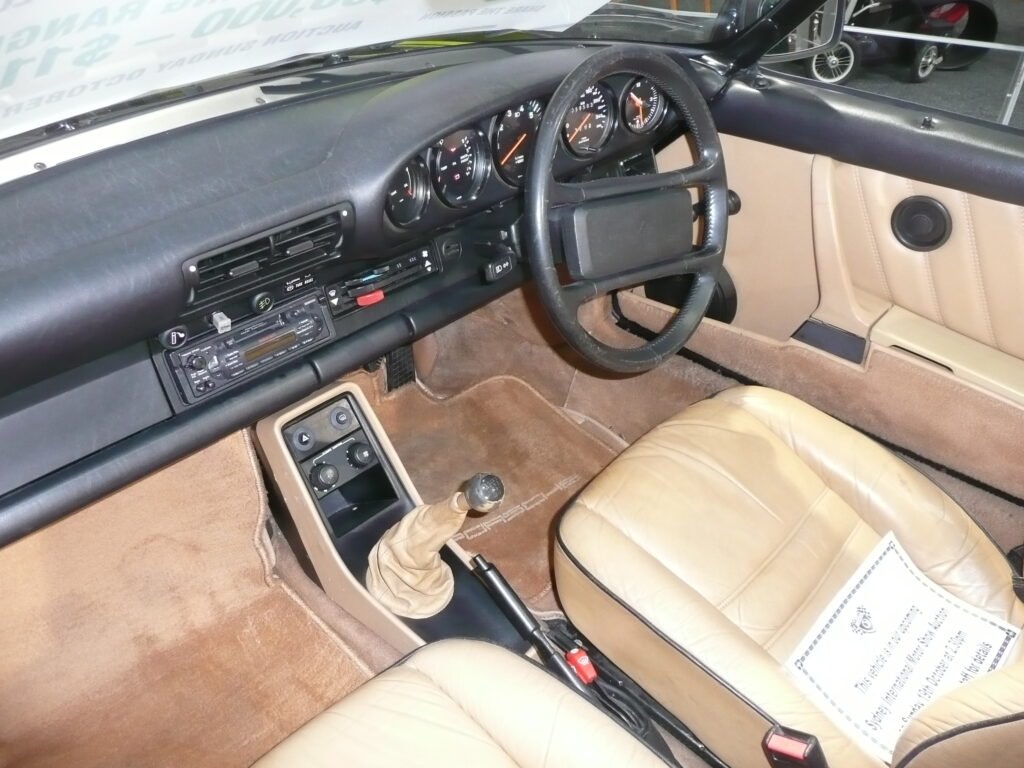
Most markets got leather seats as standard, and they hugged you tighter than the regular 911 seats—vital for spirited driving. Air conditioning? That was optional, and honestly, pretty rare in sports cars back then.
The traditional three-spoke steering wheel stayed, but Porsche never offered power steering. You felt everything through your hands, for better or worse.
Depending on the year and market, you’d find different trim—sometimes wood, sometimes brushed aluminum, sometimes just simple black plastic. The vibe was always driver-focused, though.
Aerodynamic Enhancements
Beyond the whale tail, Porsche tweaked the 930’s aerodynamics in subtle ways. Up front, a deeper air dam helped channel air more efficiently and cut lift.
On later 3.3-liter models, side vents behind the doors fed cool air to the intercooler—functional and instantly recognizable. That rear spoiler wasn’t just for show, either. Wind tunnel testing proved it seriously reduced lift at the back, which was crucial since nearly two-thirds of the car’s weight sat over the rear axle.
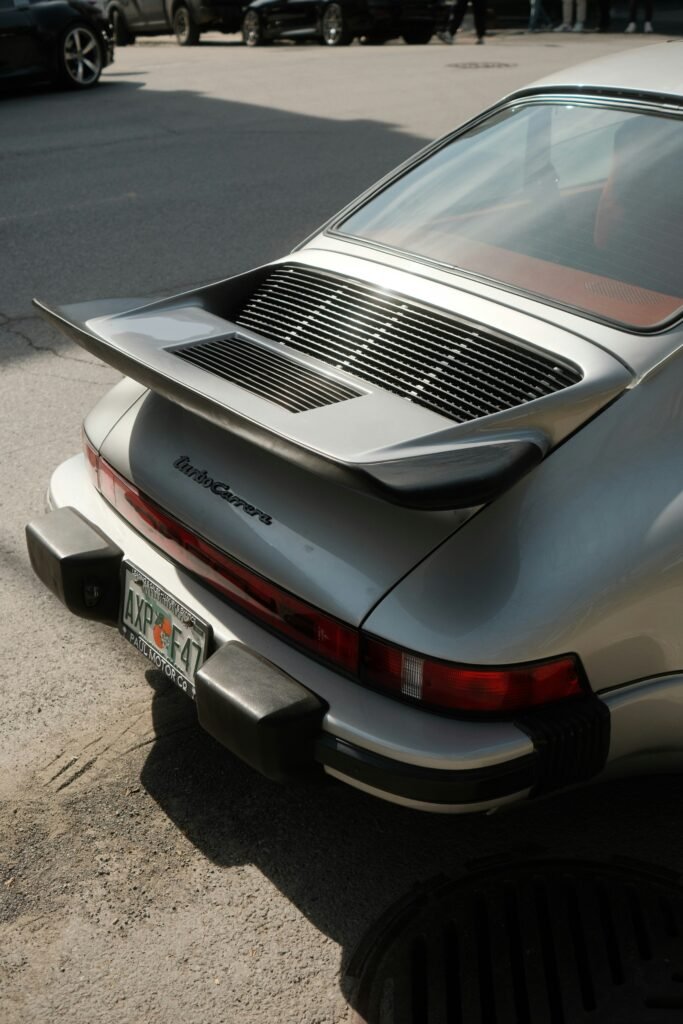
Porsche kept refining the 930’s aero as the years went by, with minor updates to improve stability and trim drag. The end result? A car that looked ferocious and stayed planted even when you pushed it to the limit.
Variants, Special Editions, and Key Figures
The Porsche 930 Turbo didn’t just stick to one formula. Over its run, it spawned several memorable variants—and a team of passionate engineers turned Porsche’s vision into the legendary “Widowmaker.”
Model Variants and Special Editions
Porsche built the 930 Turbo in a few distinct generations. The first (1975-1977) ran a 3.0-liter engine with 260 horsepower in Europe. Then, from 1978 to 1989, the 930 got a 3.3-liter engine with an intercooler, bumping power to 300 horses and smoothing out some of that infamous turbo lag.
Key variants included:
- Turbo 3.0 (1975-1977): The original Widowmaker—raw and unfiltered.
- Turbo 3.3 (1978-1989): Intercooled, more powerful, slightly tamer (but still wild).
- Turbo Cabriolet (1987-1989): Drop-top drama for the final years.
- Turbo SE (1989): Special edition with extra boost and exclusivity.
The 1983 930 LE (Limited Edition) was hand-built and ultra-rare. Some configurations only went to select markets, so hunting down the exact model you want can feel like a treasure hunt.
US versions had to play by stricter emissions rules, so they made just 245 horsepower—less than their European cousins.
Designer and Engineering Team
Dr. Ernst Fuhrmann, Porsche’s chairman, led the 930 Turbo project. He dreamed up the idea of taking the Carrera RS engine and adding turbocharging for the street.
The engineering team faced a mountain of challenges. Adapting race tech to the road isn’t for the faint of heart. The flat-six engine, borrowed from racing, easily overwhelmed the original 911 chassis, so they had to make big changes.
Key development changes included:
- Wider rear track for more grip
- Reinforced chassis to handle the power
- Bigger brakes for stopping all that speed
- The iconic “whale tail” spoiler
The BorgWarner KKK turbocharger delivered power in a big, bold rush—exciting, but also a bit scary. No surprise, then, that the 930 Turbo earned its “Widowmaker” nickname. Porsche even offered driving lessons to buyers, knowing full well what they were handing over.
Ownership Experience and Market Value
Owning a Porsche 930 Turbo is a rollercoaster—equal parts adrenaline and anxiety, and honestly, that’s the appeal. Lately, the car’s value has skyrocketed, making it a darling for collectors and investors alike.
Driving Experience and Reviews
The 930 Turbo’s “Widowmaker” reputation is no joke. The 3.0-liter turbocharged engine delivers a sudden wallop of power after you slog through some turbo lag, usually around 3,500 rpm. It’s a bit like lighting a firecracker and waiting for the bang.
Reviewers call the driving experience demanding, even intimidating. That rear-engine layout creates lift-off oversteer—if you back off the throttle mid-corner, the back end can snap around in a heartbeat. Not for the faint of heart.
Notable driving quirks:
- Heavy clutch that’ll give your left leg a workout
- The whale tail blocks some rear visibility (worth it, though)
- The air-cooled engine means a toasty cabin, especially in summer
- Firm suspension—every bump feels personal
Professional test drivers always mention: respect the 930 or it’ll bite. Nail your technique and it’s magic. Mess up, and you’ll remember it for all the wrong reasons.
Owner Community and Demographics
The 930 Turbo tends to attract driven, successful folks—often professionals or collectors who know their stuff. Plenty of baby boomers love these cars for the nostalgia, but Gen X is definitely getting in on the action as well.
Most owners are serious enthusiasts who understand the quirks and costs. They care about originality and proper maintenance, and you’ll see them at vintage racing events or concours shows, proudly showing off their cars.
Typical owner profiles:
- High-net-worth enthusiasts (age 45-65, give or take)
- Porsche Club of America regulars
- Classic car collectors with impressive garages
- Performance junkies chasing that authentic 1980s thrill
Notable Quotes from Experts
“The 930 Turbo transforms from docile cruiser to wild beast in the blink of an eye,” say those who’ve studied its legacy. Porsche engineers called the project revolutionary, and it genuinely was—a turbocharged, emissions-compliant rocket for the road.
Classic car investment pros often say, “This wasn’t just another fast car—it was a turbocharged monster that demanded respect.” Driving instructors still warn new owners: The 930 Turbo’s handling is nothing like a modern 911 Turbo. You can’t just mash the throttle and hope for the best.
Ownership Costs and Value Appreciation
930 Turbos have seen their values soar in recent years. Depending on condition and mileage, you’re looking at $85,000 to $350,000 for a decent example.
Current market values by model year:
1988 Porsche 911 Turbo (930) Market Value (2022–2025)
| Year | Average Market Price (USD) | % Change (YoY) | Source |
|---|---|---|---|
| 2022 | $175,000 | — | Classic.com |
| 2023 | $188,000 | +7.4% | Classic Trends |
| 2024 | $200,000 | +6.4% | Bring a Trailer |
| 2025 | $206,000 | +3.0% | Classic.com Market Data |
Typical annual costs:
- Maintenance: $3,500-$5,500 (don’t skip it!)
- Insurance and storage: $2,000-$4,000
- Engine rebuild: $15,000-$25,000 every 60,000-80,000 miles
With just 21,589 units built, the 930 Turbo remains a rare bird. That scarcity keeps prices strong, and original, numbers-matching cars command big premiums—sometimes 20-25% more than modified or non-original examples.
From 2015 to 2024, annual appreciation ran 12-15%. If you find one with original paint and all the right paperwork, you’re sitting on a blue-chip investment.
Final Words
The Porsche 930 Turbo isn’t just a car—it’s a legend, a test of skill, and a thrill unlike any other. From its explosive turbo surge to its tail-happy handling, it demanded respect and rewarded mastery. Today, it remains a collector’s gem, a wild chapter in Porsche’s storied history, and a driving experience forever unmatched.
Thanks for reading! If you enjoyed this deep dive, be sure to subscribe to my email list for exclusive car reviews, insider tips, and weekly special offers on car parts, auctions, and gear — perfect for any car enthusiast.
If you have any thoughts or experiences with this car? Leave a comment below — I love hearing your opinions and sparking conversations with fellow enthusiasts.
And don’t forget to read related posts for more great content!
Frequently Asked Questions
The Porsche 930 Turbo always sparks questions—about its “Widowmaker” reputation, its place in car history, and the wild team that built it. People want to know what made it so groundbreaking and why it still feels so relevant decades later. Is it dangerous? Absolutely. But isn’t that part of the magic?
What is the historical background and development story of the Porsche 930 Turbo?
The Porsche 930 Turbo history and development actually kicked off in the heat of motorsport. Turbo tech had already made waves in the 917/10 and 917/30 race cars back in the early ’70s, so Porsche figured—why not bring that magic to the street?
Homologation rules for racing forced Porsche’s hand; they had to build a minimum number of road cars before they could go racing. That’s how the 930 Turbo was born—almost out of necessity, but with a dash of ambition.
The 930 first strutted its stuff as a prototype at the 1973 Frankfurt Motor Show. The “Turbo” script on its rear wing was impossible to miss, almost like it was flexing before the world even knew what hit them.
Its official debut? That happened at the Paris Motor Show in October 1974. The buzz was real—people were practically tripping over themselves just to get a look.
Porsche kept the 930 in production from 1975 to 1989, crowning it the king of the 911 lineup for over a decade. Funny thing is, Porsche only meant it to be a limited run at first, but demand was so wild they just had to keep making more.
Why was the Porsche 930 Turbo nicknamed the ‘Widowmaker’?
The 930 Turbo earned the “Widowmaker” nickname for a reason that’s almost legendary among car folks. All that weight out back—thanks to its rear-engine layout—made the car handle in ways that could surprise even seasoned drivers.
If you weren’t careful, the combination of big power and rear-biased weight could turn a spirited drive into a white-knuckle ride. Turbo lag just added to the drama—one second you’re waiting, the next you’re rocketing forward, wrestling the steering wheel as the back end threatens to swing out.
Honestly, the 930 Turbo could bite back hard if you didn’t respect it. That’s how it picked up such a chilling reputation—drivers who underestimated it sometimes paid the price.
Who were the key individuals or teams involved in designing the Porsche 930 Turbo?
The Porsche 930 Turbo didn’t just fall out of the sky—it came from the minds in Porsche’s motorsport division. These engineers had already mastered turbocharging in the 917 race cars, so they knew a thing or two about wringing every ounce of power from an engine.
The design team deserves a shoutout, too. They sculpted that iconic whale-tail spoiler and those flared fenders, not just for looks but to fit wider wheels and give the chassis a fighting chance against all that extra horsepower.
Collaboration was the secret sauce. Racing engineers, designers, and everyday usability experts all worked together, blending hardcore tech with just enough comfort for daily driving. That’s classic Porsche—never just one person, always a team effort.
How did the public and industry react to the debut of the Porsche 930 Turbo?
When the 930 Turbo hit the Paris Motor Show in 1974, jaws dropped. The car’s mix of raw speed and dramatic styling made it an instant sensation—kind of like a rockstar showing up at a classical concert.
It was the fastest production car in Germany at launch, which definitely didn’t hurt its street cred. The press couldn’t get enough, raving about its racing DNA and technical wizardry.
Porsche ended up making way more than they’d planned, just to keep up with the frenzy. The 930 Turbo proved that race-bred technology could absolutely thrive on the open road.
What innovations and ‘world firsts’ did the Porsche 930 Turbo introduce to the automotive world?
The 930 was Porsche’s first turbocharged series production car. That’s a big deal—it set the standard for turbocharged performance cars everywhere, not just in Stuttgart.
In 1977, Porsche rolled out intercooling tech on the 930 Turbo, straight from their racing playbook. That meant more power, more reliability, and a whole new level of street-legal lunacy.
The 930 didn’t just make waves—it built the foundation for the whole “Turbo” mystique that Porsche still rides today. When you see that badge, you know you’re looking at something special, something with a bit of a wild side.
How does the driving experience of the Porsche 930 Turbo compare to contemporary vehicles, according to reviews and owner feedback?
The 930 delivered raw, unpredictable power that often made the rear tires feel like they were skating on ice. Right away, you realize this isn’t your everyday sports car—it’s a beast demanding respect and razor-sharp focus.
Its 3.0-liter turbocharged flat-6 engine pumped out 260 horsepower. That kind of punch in the 1970s? Wildly overwhelming, especially when the notorious turbo lag kicked in and unleashed a sudden, almost theatrical surge of power.
Drivers often say the Porsche 930 Turbo feels like a coiled spring, ready to snap if you’re not careful. The nickname “Widowmaker” didn’t come from nowhere—handling this car takes guts, skill, and a bit of humility.
Honestly, there’s something raw and almost untamed about the 930 Turbo’s driving experience. Modern 911 Turbos are quicker and safer, but they just don’t offer the same pure, analog thrill or the heart-in-throat moments that the 930 delivers.