
Ever dreamed of owning a car that’s both a thrilling drive and a savvy investment? The hunt for undervalued limited edition cars is where passion meets profit, and the right move can set you apart from the crowd.
Limited-edition cars are the secret playground for collectors and investors who want more than just horsepower. Sure, these rides usually roll out with a hefty price tag, but here’s the twist: real value often sneaks up years later as scarcity and demand collide.
If you want to master how to spot undervalued limited edition cars, you’ve got to dig into the details—think production numbers, market quirks, brand history, and how these cars stack up against their siblings. The best buyers don’t just get lucky—they know where to look while everyone else is distracted by the badge.
Let’s be honest: nailing the best limited edition cars to buy before prices rise isn’t just about money. It’s about knowing the rhythms of the market, sniffing out hidden gems, and acting before the pack catches on.
Understanding the Appeal of Limited-Edition Cars
Limited-edition cars are like unicorns in the wild—rare, mesmerizing, and a little mysterious. Manufacturers control scarcity, making these cars irresistible to both collectors and investors. The magic? It’s all about exclusivity and the hunger it stirs up.
The Role of Scarcity and Exclusivity
Automakers don’t just stumble into exclusivity; they engineer it. When they cap production—sometimes at a few hundred or even less—they’re not just building cars. They’re crafting legends.
True exclusivity usually means under 1,000 units, and sometimes, that number drops to double digits.
Production numbers matter—a lot:
| Production Range | Value Potential | Market Response |
|---|---|---|
| Under 100 units | Very High | Immediate collector interest |
| 100-500 units | High | Strong long-term demand |
| 500-1,000 units | Moderate | Selective appreciation |
| 1,000+ units | Lower | Limited scarcity premium |
Exclusivity isn’t just a buzzword—it’s a psychological game. When people realize there are only a handful of these cars, FOMO kicks in and the bidding gets fierce.
What really makes scarcity work?
- Strict, no-exceptions production caps
- Features you simply can’t get anywhere else
- Tight production windows—blink and you’ll miss it
- Badges and documents that prove you’ve got the real deal
But here’s the catch: sometimes, brands get greedy and pump out “extra” limited editions. That move? It can tank values faster than a flat tire on track day.
Collector and Investor Motivations
Collectors see these cars as rolling art, not just transportation. There’s something poetic about owning a piece of history, and sometimes, the heart wins out over the calculator.
Investors, though, keep their eyes on the numbers. Ferrari’s limited runs, for example, have seen 15-25% annual appreciation. That’s not just luck—it’s smart buying.

What do collectors chase?
- Heritage models that echo racing glory
- Final editions—the last of a legendary bloodline
- Track specials with real performance chops
- Manuals in a world gone automatic
Investors crunch data: production numbers, demand trends, and brand history. The collector car market rewards patience; think of it as a long game, often 15-20 years or more.
And let’s not forget the practical stuff. Many collectors baby their cars, keeping mileage under 2,500 miles a year to protect that sweet investment value.
Notable Examples and Brand Heritage
Brand reputation is the backbone of lasting value. Ferrari, Porsche, and McLaren? Their names alone can set the market on fire.
The Aston Martin One-77 is a textbook case. Only 77 built, and since production wrapped, prices have soared—scarcity in action.
Take the Porsche 911 R: only 991 units, manual gearbox, featherweight build. Collectors snapped them up and values shot up almost overnight.
What makes a limited edition a winner?
- Deep motorsport heritage
- Real upgrades—not just fancy paint
- Celebrating milestones or epic wins
- Looks that age like fine wine
Supercars tied to racing history tend to outperform. Models that honor Le Mans or F1 victories have a certain magic—call it emotional horsepower.
Top-tier brands in the luxury space usually see their limited editions pull ahead of lesser-known rivals. It’s not just about rarity—it’s about pedigree.
Key Factors for Identifying Undervalued Limited Edition Cars
So, how do you actually find rare cars below market value? It’s not just a numbers game. You need to weigh production stats, engineering, history, and paperwork. Miss one, and you might miss the deal of a lifetime.
Assessing Production Numbers and Rarity
Production numbers are your compass. The fewer made, the hotter the car—simple as that. But don’t trust every press release; dig for real data.
For example, the McLaren P1 and Porsche Carrera GT both had tight production runs and have become blue-chip investments. More cars? Less magic, unless there’s something truly special under the hood.
What’s rare enough?
- Under 100 units: practically mythical, expect fireworks
- 100-500 units: still rare, strong collector buzz
- 500-1,000 units: depends on the details
- Over 1,000: you’ll need a really big hook
But here’s a twist: sometimes, only a handful make it to your country. Fifty cars in the U.S., for example, can feel a lot rarer than 500 worldwide.
Always check if the brand plans more “limited” editions. Too many, and the value fizzles. The Aston Martin Vanquish Zagato saga? Classic case of overplaying the exclusivity card.
Evaluating Unique Features and Engineering
Engineering separates the legends from the pretenders. Real upgrades—think wild engines, carbon fiber diets, or track-ready suspension—hold value. Stickers and stripes? Not so much.
Features that move the needle:
- Special engines (V12s, anyone?)
- Weight savings—less is more
- Track-spec suspension
- Aero that actually works
The Mercedes AMG GT Black Series is a great example—serious mechanical upgrades, not just a fancy badge. Those cars tend to stay strong in the market.
Sometimes, a unique body style—like a speedster—can tip the scales. It’s about the experience, not just the look.
But don’t get fooled. If the “special” part is just a paint code or a badge, you might want to keep your chequebook closed.
Analyzing Historical Significance and Provenance
History brings the drama. Cars that mark anniversaries or pay tribute to legends often have staying power. It’s more than nostalgia—it’s a story buyers want to own.
Anniversary and homage models can outperform because they tap into brand lore and collective memory.
What adds historical weight?
- Links to racing history
- Tributes to famous designers or engineers
- Major milestones (like 50th anniversaries)
- The final curtain call for a beloved model
Provenance is a secret weapon. If a car’s been owned by a racing legend or comes with airtight documentation, expect a premium. First or last off the line? That’s collector catnip.
And don’t ignore the launch buzz. If the press went wild and the crowds lined up, odds are the car will stay hot down the road.
Condition and Documentation Considerations
Paperwork isn’t sexy, but it’s powerful. Complete records can make or break a deal, proving authenticity and care.
Never skip these:
- Original sale documents
- Service records from trusted shops
- Certificates of authenticity
- Owner’s manuals and unique edition extras
Low miles help, but how the car was driven and maintained matters more. Sometimes, a car that’s been enjoyed—but loved—beats a dusty garage queen.
Missing original bits—wheels, badges, interior touches—can really hurt value. And not all mods are equal: reversible upgrades might help, but wild customizations usually scare off serious buyers.
Climate-controlled storage is more than a flex; it protects your investment from the slow creep of time and weather. Original paint in great shape? That’s gold.
Navigating Market Dynamics and Trends
Chasing undervalued limited edition cars isn’t just about specs—it’s about reading the room. Auction trends, shifting supply, and the collector community’s mood can all tip you off to the next big thing. Stay sharp, stay curious, and you might just catch lightning in a bottle.
Understanding Supply and Demand Shifts
Ever wondered why some limited edition cars suddenly skyrocket in value while others just sit, collecting dust? The secret isn’t magic—it’s all about reading the market’s heartbeat and knowing where to look before the crowd catches on.
Limited edition car values jump when supply dries up or demand surges out of nowhere. Production numbers play a huge role in shaping future prices—think of them like the DNA of collectibility.
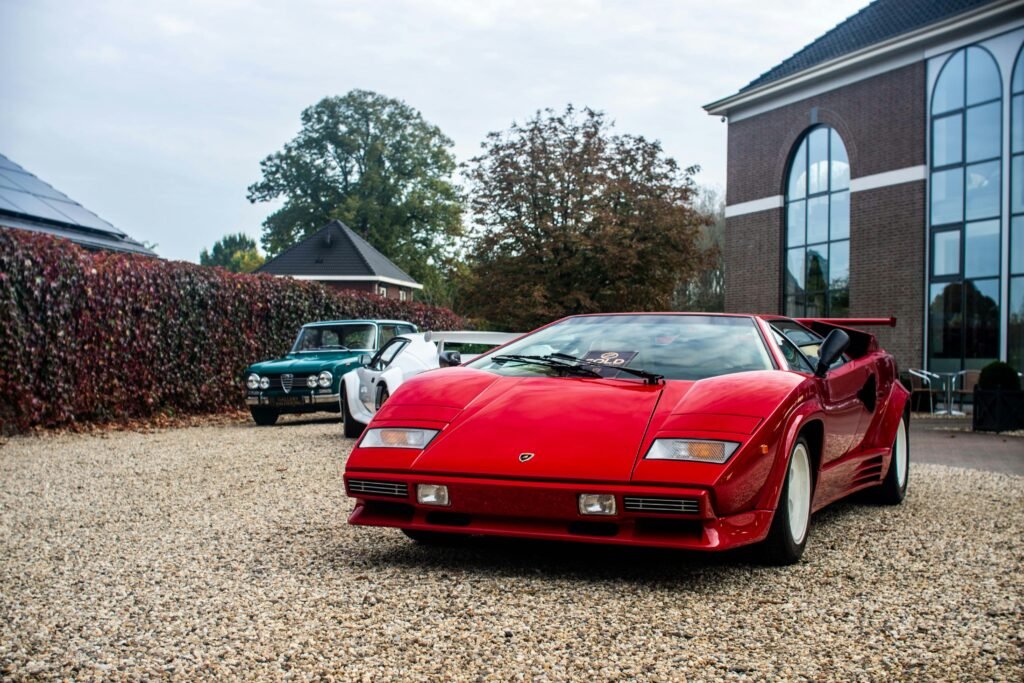
Key supply factors include:
- Original production run size
- Number of surviving examples
- Geographic distribution of remaining cars
- Condition of existing vehicles
When a car’s production run dips below 500 units, price appreciation tends to march upward, almost like clockwork. But if you’re looking at a model with over 5,000 made, you’ll need a serious demand catalyst—otherwise, prices usually just meander.
Demand can shift fast, especially as new generations of collectors enter the scene. Cars from the ’80s and ’90s have started attracting those who grew up drooling over them, reshuffling the market and creating fresh opportunities in places most people ignored a decade ago.
Popular demand drivers:
- Movie or media appearances
- Racing heritage discoveries
- Era-defining technology
- Brand anniversary buzz
Impact of Auction Results and Sales Data
Auction results cut through the hype—they show what buyers actually pay, not just what sellers hope for. These numbers don’t lie, and they’re gold for anyone who wants to spot undervalued limited edition cars before prices rise.
Tracking auction performance reveals:
- Year-over-year price swings
- How condition shapes final sale prices
- Regional demand quirks
- Seasonal buying habits
Big names like Barrett-Jackson, RM Sotheby’s, and Bonhams drop detailed reports every quarter. If you comb through these, you’ll spot which limited editions quietly sold below estimates—potential bargains hiding in plain sight.
Private sales tell a different story. Dealer networks and specialty publications sometimes show lower prices, since buyers dodge auction fees. That’s a sneaky way to find rare cars below market value.
Sales data analysis should include:
- Hammer prices vs. estimates
- Sale rates by model
- Buyer premiums
- Market reactions post-sale
Influence of Enthusiast Communities and Expert Opinion
Car enthusiasts and collector communities are the rumor mills and trendsetters of this world. Their buzz can turn a forgotten model into the next hot ticket overnight.
Online hangouts like Rennlist, FerrariChat, and those hyper-specific Facebook groups? They’re where you’ll find honest talk about maintenance nightmares, driving quirks, and investment potential. Sometimes, you’ll stumble on a tip that’s better than any official guide.
When respected journalists or auction house pros shine a spotlight on a sleeper model, you can bet prices will follow within six to twelve months. Their word carries serious weight.
Community influence factors:
- Social media buzz
- Forum chatter frequency
- YouTube reviews
- Magazine spotlights
The collector car market reacts fast to expert picks. Publications like Hagerty Insider and Classic & Sports Car have a knack for calling undervalued segments before the rest of us catch up.
Club registries and owner groups are treasure troves for production stats and survivor counts. If you want to back up a car’s rarity, this is where you start—otherwise, you’re just guessing.
Proven Strategies to Spot and Acquire Undervalued Gems
If you want to master the art of the limited edition car buy, you need more than luck. The best collectors blend community intel, sharp timing, and pro-level valuation tools to sniff out cars trading for less than they’re truly worth. Miss one of these and you’ll probably be chasing the crowd, not leading it.
Researching and Networking in the Community
Let’s be real: the best deals rarely make it to public listings. If you’ve built genuine connections inside collector circles, you’ll hear about private sales before anyone else. Word-of-mouth is still king here.
Joining marque-specific clubs? That’s your golden ticket for inside info on upcoming releases and shifting trends. Members spill the beans on cars about to hit the market and aren’t shy about warning you off problem models.
Online forums and social media groups move fast. Daily posts about sale prices and which models are heating up (or cooling off) can give you a real edge.
There’s magic in showing up at car shows and auctions. Face-to-face chats build trust, and many collectors prefer doing business with someone they’ve actually met.
Restoration shops and mechanics are unsung heroes—they often know about barn finds and estate sales before word gets out. If you’ve got a relationship, you’ll get the first call.
Leveraging Market Timing and Economic Cycles
Economic downturns? They’re stressful, but for buyers, they’re often a goldmine. Sellers needing fast cash will let go of limited edition cars at below-market prices—if you’re ready to pounce.
Seasonal swings matter more than you’d think. Winter usually brings softer prices, since most folks aren’t shopping for classics in the snow.
Tax season—especially April and December—pushes some collectors to sell quickly. If you’re patient, these months can deliver deals that don’t last long.
Classic car markets seem to correct themselves every five to seven years. If you’re tracking cycles, you can time your buys when prices dip and ride the next wave up.
Interest rates aren’t just for mortgages—they shape collector car financing, too. When rates jump, cash buyers face less competition, opening up some juicy opportunities.
When a new model drops, older versions sometimes lose their shine—at least temporarily. That’s your window if you’re hunting for undervalued limited edition cars investment guide opportunities.
Utilizing Tools and Resources for Valuation
Professional price guides like Hagerty and Classic Car Appraisal Services give you a solid baseline for most models. If a car’s price seems suspiciously low, these tools help you spot it.
Auction result databases tell the real story. They track actual sale prices, not just pie-in-the-sky asks, so you can see what buyers are really paying for specific mileage and conditions.
Insurance appraisals cut through the guesswork. Insurers demand detailed evaluations, so you get accurate replacement costs—handy for negotiating or justifying your offer.
Vehicle history reports are your safety net. They expose accidents or sketchy mods that can tank value. A clean history? That’s worth paying for. Hidden problems? Use them to negotiate down.
Independent inspections by trusted mechanics can save you from expensive regrets. If they spot something major, you can walk—or at least bargain hard.
Comparative market analysis tools help you see how similar cars are priced across the country. Solid research is your foundation for finding the best limited edition cars to buy before prices rise.
Final Words
Spotting an undervalued limited edition car isn’t luck—it’s skill, timing, and insight. Study production numbers, provenance, and market whispers before the crowd catches on. The real thrill? Owning a machine that roars with history while quietly building wealth. Passion meets profit—if you know where to look.
Thanks for reading! If you enjoyed this deep dive, be sure to subscribe to my email list for exclusive car reviews, insider tips, and weekly special offers on car parts, auctions, and gear — perfect for any car enthusiast.
And don’t forget to read related posts for more great content!
Frequently Asked Questions
To find undervalued limited edition cars, you need to dig into production numbers, market history, and pricing trends. A mix of manufacturer records, auction results, and long-term trend analysis will point you to the best investment opportunities—if you know what to look for.
What factors should be considered when assessing the market value of limited edition cars?
Production numbers are the backbone of value. Fewer cars made? Higher prices, almost every time.
True rarity comes down to what the manufacturer actually built and how many are left. Don’t just take a seller’s word—verify with official documentation.
Condition can make or break a deal. Original paint, untouched interiors, and matching numbers always command a premium.
Provenance matters, too. If a car belonged to a celebrity, raced at Le Mans, or spent years in a museum, you’ll see the difference in the price tag.
Complete documentation—build sheets, service records, certificates—boosts buyer confidence and almost always adds value.
How do you determine if a limited edition car is undervalued compared to its historical prices?
Auction results are your best benchmark for limited edition vehicles. Barrett-Jackson, RM Sotheby’s, and Bonhams keep detailed sale histories—use them.
Look at price trends over three to five years. If a model’s prices have dipped recently but the fundamentals are strong, you might’ve found a buy signal.
Compare apples to apples: match condition, mileage, options, and even color. Small differences can swing prices by thousands.
Market timing is huge. Economic shifts, changing collector tastes, and generational handoffs all impact value.
What key indicators of potential value increase in limited edition vehicles?
Anniversary editions that celebrate milestones often outpace standard models. Special badges, colors, or exclusive trim set them apart.
Final edition runs—those last-of-the-line cars—are magnets for appreciation. Manufacturers usually add unique features or performance tweaks here.
Low-mileage, single-owner examples kept in climate-controlled storage? They’re like unicorns, and they almost always command a premium.
Racing pedigree is a game-changer. If a limited edition’s roots trace back to a championship car, collectors will chase it hard.
Celebrity ownership or pop culture fame can send demand through the roof. Think of the “Bullitt” Mustang or Paul Walker’s Skyline—those stories matter.
How can market trends be analyzed to identify undervalued limited edition cars?
Watch for demographic shifts. As younger collectors come in, they often want different models than the old guard, creating new pockets of demand.
Regional price gaps can be huge. Sometimes, you’ll find the same limited edition car for less in Europe than in the US, or vice versa. That’s a real opportunity for cross-border buyers.
Seasonal swings are real. Spring and summer bring higher prices, so if you’re hunting for a deal, winter is your friend.
Brand reputation cycles can lift all boats. When a manufacturer gets a resurgence—maybe thanks to a new hit model—older limited editions usually ride that wave up.
Technology trends are shaking things up, too. Electric conversions or modern safety upgrades might impact future collectibility, for better or worse.
What resources or tools can be used to track the prices of rare or limited edition cars over time?
Professional auction databases like Hagerty, Classic.com, and Sports Car Market track limited edition values with real data. They’re essential for any serious buyer or seller.
VIN verification services confirm authenticity and help you avoid paying top dollar for a fake or rebadged car.
Insurance appraisal companies offer market value assessments—these are especially useful for rare or unique models.
Collector car magazines publish annual price guides and analysis, tracking long-term trends and offering real-world commentary.
Online forums and enthusiast communities are often the first to spot shifting values. Members share recent sales, market gossip, and sometimes even the best limited edition cars to buy before prices rise.
How can you really tell if that limited edition car is a goldmine or just a pretty face? Let’s dig into the secrets behind spotting a winner before prices skyrocket.
**Historical appreciation rates?** They’re your compass for the undervalued limited edition cars investment guide. If you see a model climbing by 5-10% every year, that’s not luck—it’s a pattern worth betting on.
But let’s talk about market depth. If you’re eyeing the best limited edition cars to buy before prices rise, you need more than just a beautiful badge. Ask yourself, is there a crowd of hungry buyers waiting in the wings? A thin market can turn even the rarest gem into a paperweight when it’s time to sell.
Maintenance costs can sneak up on you. Some exotic limited editions will charm you, then bleed your wallet dry with endless service bills. I’ve seen friends get dazzled by a rare badge, only to watch their returns drip away with every oil change.
Storage and insurance? Not exactly glamorous, but crucial. Climate-controlled garages and specialized insurance aren’t just nice-to-haves—they’re essential if you want to protect your investment (and sleep at night).
Liquidity is where dreams meet reality. Popular models like the Porsche 911 R or BMW E46 M3 CSL? They can change hands in days, sometimes hours, because collectors line up for them. On the flip side, a super-niche model might leave you waiting, no matter how rare it is.