
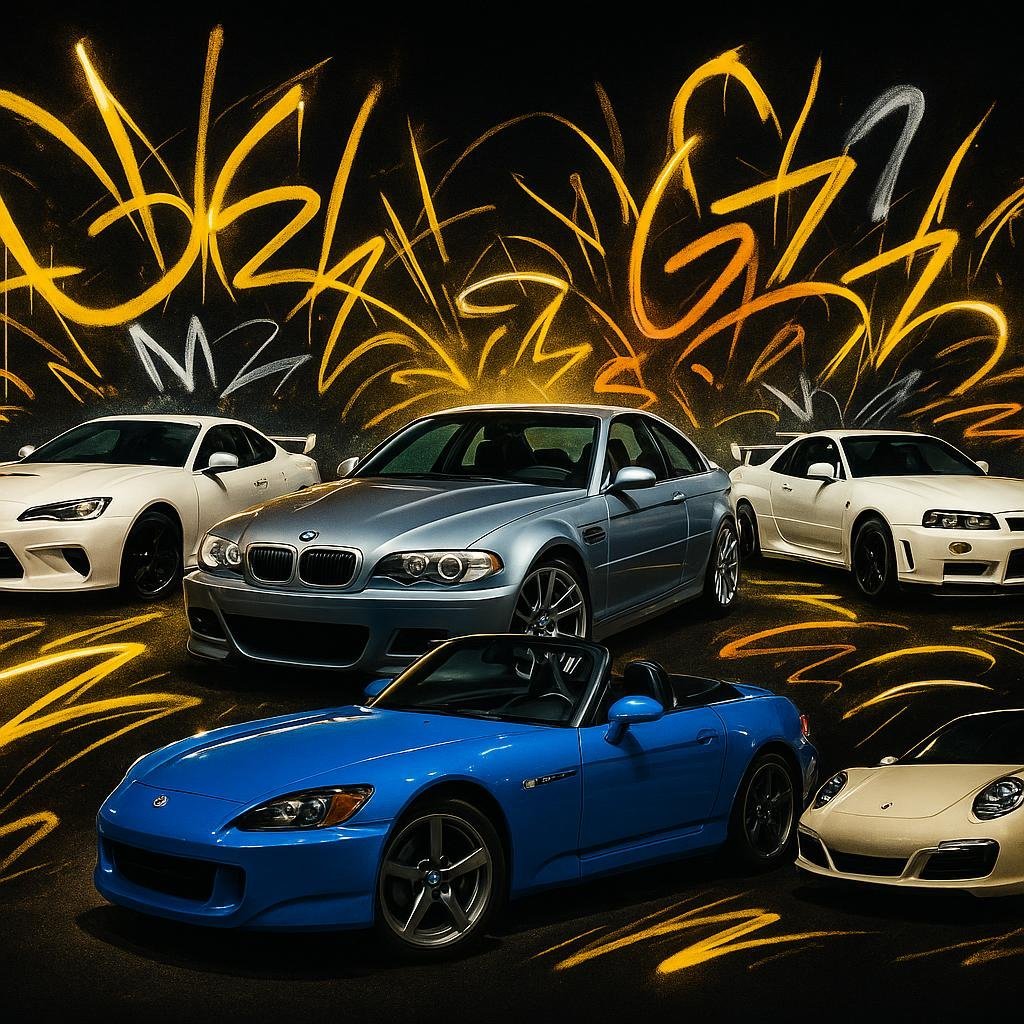
The early 2000s marked a pivotal time in automotive history when manufacturers created some of their most exciting limited edition performance cars. These vehicles combined cutting-edge technology with traditional engineering principles before the digital revolution transformed the industry. Many of these rare machines are now emerging as serious investment opportunities for collectors who recognize their potential for long-term value appreciation.
While supercars from this era often grab headlines, several underrated limited edition models remain accessible to savvy collectors. These cars offer unique combinations of rarity, performance credentials, and historical significance that position them perfectly for future collectability. Understanding which models to target and what factors drive collector interest can help enthusiasts make informed decisions about their next acquisition.
1) BMW M3 GTS (2010)
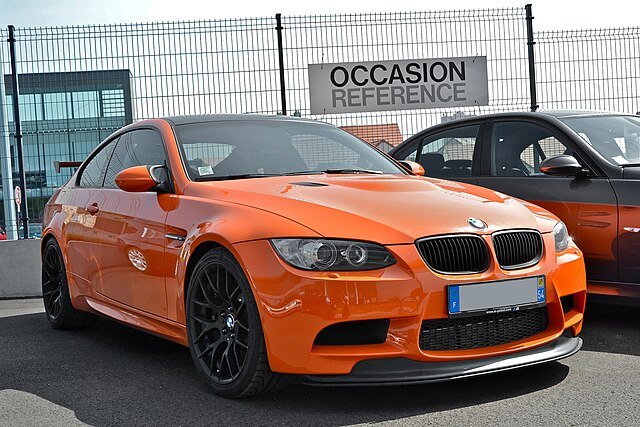
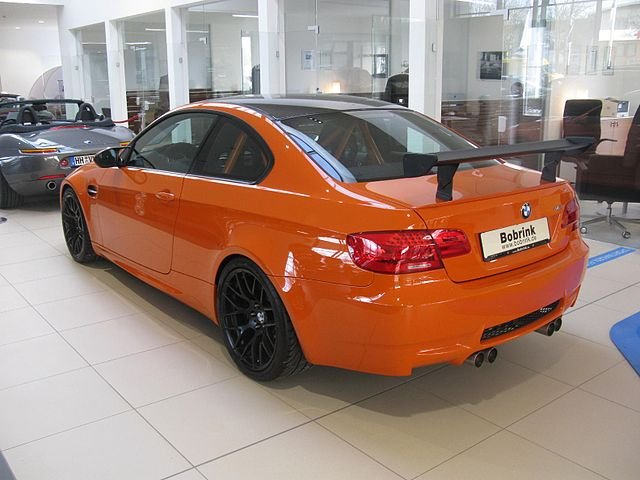
The BMW M3 GTS stands as one of the rarest M cars ever made. BMW built only 150 units of this track-focused machine in 2010.
This E92 generation marked the first and only time BMW used a V8 in the M3. The hand-built 4.4-liter V8 engine produced 450 horsepower at 8,300 rpm.
The GTS accelerated from 0-100 km/h in just 4.4 seconds. Its top speed reached impressive levels thanks to extensive weight reduction and aerodynamic improvements.
BMW stripped out unnecessary components to save weight. The car featured a roll cage, racing seats, and carbon fiber body panels. Air conditioning was rare on these models, making equipped examples even more special.
The track-focused beast represented the most extreme expression of the E92 platform. BMW designed it primarily for circuit use rather than daily driving comfort.
Production numbers varied slightly between sources, with some reporting 138 examples and others citing 150 units. Either figure confirms its extreme rarity in the automotive world.
The M3 GTS came in distinctive colors including Feuerorange through BMW’s Individual program. These specifications make certain examples even more collectible today.
Values have climbed steadily as collectors recognize the GTS as a significant milestone in BMW M division history.
2) Honda S2000 CR (2008)
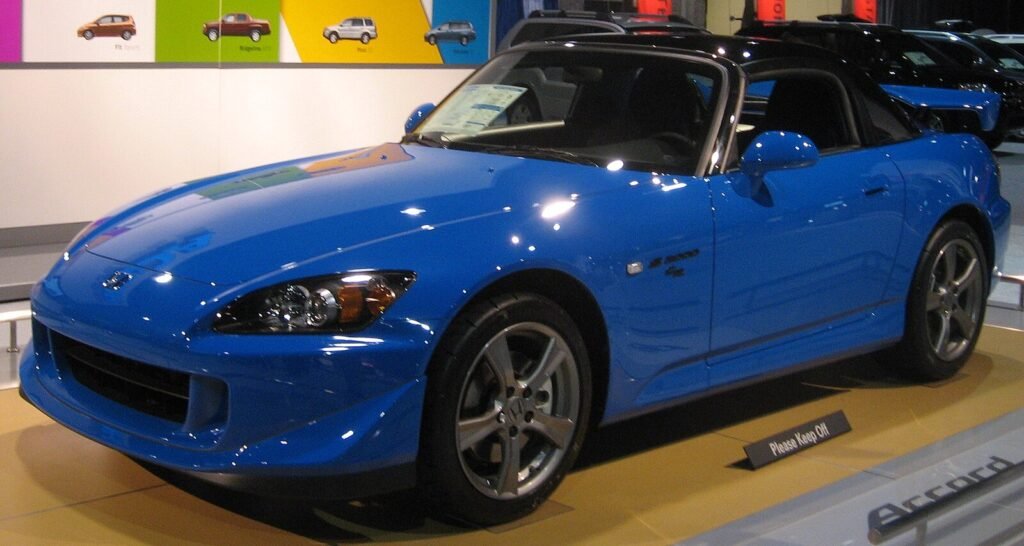
The 2008 Honda S2000 CR stands as the most focused, track-ready evolution of Honda’s iconic roadster and remains one of the rarest performance cars the brand ever produced.
With only 699 units built for the U.S. market, the CR sharpened the S2000’s already celebrated dynamics through meaningful weight reduction, stiffer suspension tuning, and more aggressive aerodynamics, including a prominent rear wing and redesigned front lip.
Power comes from the legendary 2.0-litre F20C engine, delivering 237 horsepower at 7,800 rpm and revving to an 8,200-rpm redline, paired exclusively with Honda’s precise six-speed manual and a Torsen limited-slip differential.
The CR is around 90 pounds lighter than the standard model thanks to reduced sound insulation and the removal of the soft top, which was replaced with a removable hardtop.
Performance remains thrilling, with the CR reaching 0–60 mph in about 5.7 seconds and maintaining Honda’s reputation for razor-sharp handling and a uniquely high-revving driving experience.
Auction data reflects rising appreciation for this once-underestimated model. In July 2025, a Bring a Trailer sale reached$83,500, showing strong demand for clean, low-mileage cars.
MotorTrend also reported a record-setting sale at $80,325, further confirming the CR’s momentum among collectors who value analogue purity and limited production.
3) BMW M3 CSL (E46, 2003)
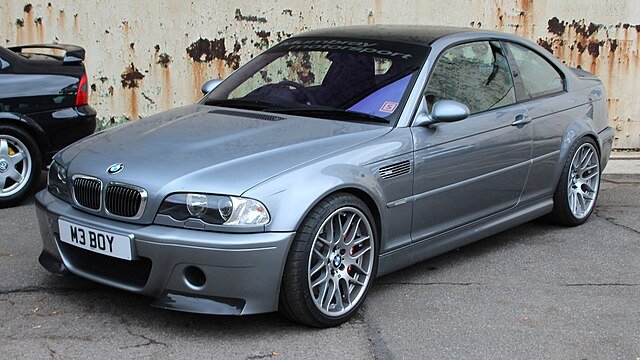
The 2003 BMW M3 CSL is widely regarded as one of the most accomplished driver’s cars BMW has ever produced and represents the pinnacle of the E46 generation.
With just 1,383 units built, its scarcity alone places it in serious collector territory, but its engineering elevates it even further. The CSL uses a specially tuned version of the S54 3.2-liter inline-six, producing 360 horsepower at 7,900 rpm and paired with BMW’s SMG II gearbox, which delivers rapid, motorsport-inspired shifts.
True to the Lightweight “Coupe Sport Leichtbau” philosophy, the CSL features a carbon-fiber roof, lightweight interior components, thinner glass, reduced sound insulation, and a distinctive carbon airbox that gives the car its famously sharp throttle response and unmistakable induction sound.
It is more than just lighter; it is more focused and more precise, with reworked suspension, quicker steering, and sticky Michelin Pilot Sport Cup tyres that allowed the car to achieve a Nürburgring lap time of around 7 minutes and 50 seconds, an astonishing feat for the early 2000s.
In practice, the CSL accelerates from 0–60 mph in about 4.8 seconds, often faster when tested independently, and can reach 174 mph when derestricted.
Auction results reflect strong and sustained demand. At RM Sotheby’s Munich sale in 2025, a well-preserved CSL with 32,456 km sold for €178,250, demonstrating how highly collectors value this model.
Another CSL sold for £65,550 at RM Sotheby’s London sale in 2023, reinforcing its desirability across global markets.
4) Nissan Skyline GT-R V-Spec II Nür (R34)


The 2002 Nissan Skyline GT-R V-Spec II Nür represents the absolute zenith of the R34 generation. This limited edition model served as the final sendoff for one of Japan’s most legendary sports cars.
Nissan named the car after the Nürburgring racing circuit in Germany. The company developed and tested the vehicle at this famous track, giving it the “Nür” designation.
Production was limited to just 1,000 units total between the V-Spec II Nür and M-Spec Nür variants. Orders opened in February 2002, with production ending in August 2002.
The V-Spec II Nür featured enhanced performance over standard R34 models. It came equipped with a 330 horsepower engine from the N1 racing homologation special, surpassing the typical 280 horsepower limit.
Special features included carbon fiber hood, improved aerodynamics, and track-focused suspension tuning. The interior received Recaro seats and additional gauges for monitoring engine performance.
Market values have climbed significantly in recent years. Examples with extremely low mileage have appeared at major auction houses, commanding premium prices from collectors worldwide.
The combination of limited production numbers, final-year status, and enhanced performance specifications positions this model as a strong future collectible.
5) Porsche 911 GT3 RS 4.0 (997)
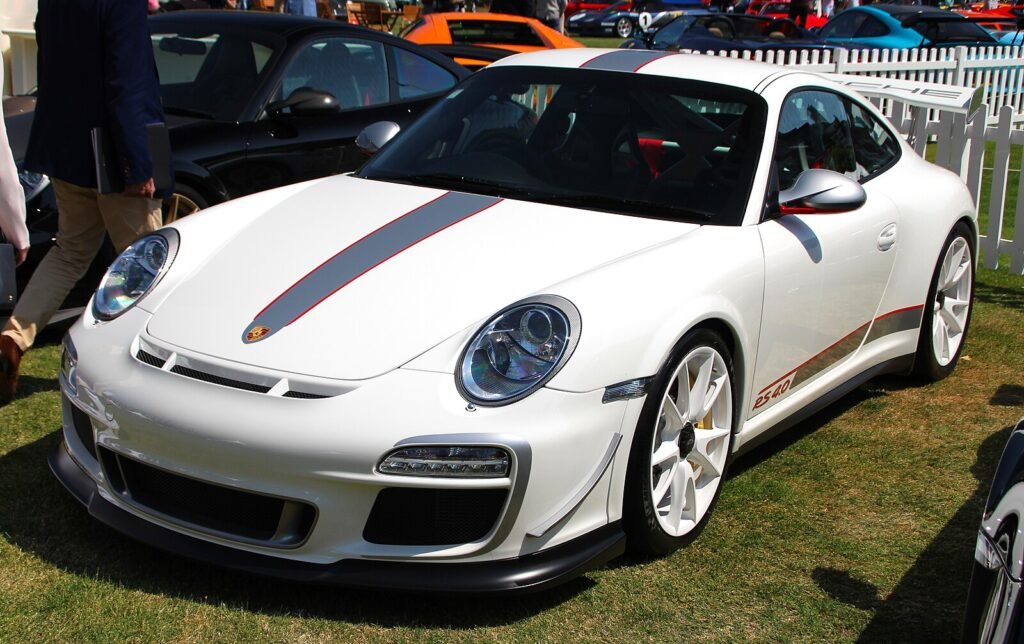
The 997 GT3 RS 4.0 represents the final evolution of Porsche’s legendary Mezger engine. This limited edition marked the end of an era for naturally aspirated 911 performance.
Production was limited to just 600 units globally, making it one of the rarest modern 911 variants. The exclusive production numbers ensure its collectible status.
The car features a 4.0-liter flat-six engine producing 500 horsepower. This was the largest naturally aspirated engine ever fitted to a 911 GT3 at the time.
Weight reduction was a key focus for engineers. The RS 4.0 weighs 10 kilograms less than the standard GT3 RS through extensive use of carbon fiber components.
Carbon fiber bucket seats, hood, and front fenders reduce mass. The car also includes front canards and air guide vanes for improved aerodynamics.
A six-speed manual transmission connects drivers directly to the engine. The limited-slip differential helps put power down effectively on track.
Recent sales show strong appreciation, with low-mileage examples reaching seven figures. The combination of rarity, performance heritage, and emotional connection to the Mezger engine makes this 911 a compelling future collectable.
Final Words
Investing in rare performance cars is as much about passion as profit. With careful research, smart timing, and an eye for limited-production gems, you can build a collection that delivers both excitement and long-term value. Choose wisely, stay informed, and let your automotive instincts guide you.
Thanks for reading! If you enjoyed this deep dive, be sure to subscribe to my email list for exclusive car reviews, insider tips, and weekly special offers on car parts, auctions, and gear — perfect for any car enthusiast.
And don’t forget to read related posts for more great content!
Frequently Asked Questions
The 2000s produced numerous limited edition performance cars that collectors now recognize as undervalued investments. Many overlooked sports cars from this decade offer significant potential for appreciation as they approach classic car status.
Are these cars still enjoyable to drive, or should they be stored?
Cars such as the M3 CSL and S2000 CR are exceptional driver’s cars, built for engagement and precision. Many collectors enjoy occasional drives while still preserving long-term value through proper care, storage, and maintenance.
What factors determine if a 2000s-era car may become a future collectable?
Production numbers play a crucial role in determining collectibility. Cars from the 2000s with limited production runs typically appreciate faster than mass-market vehicles.
Original equipment and documentation significantly impact value. Unmodified examples with complete service records attract serious collectors.
Performance credentials and motorsport heritage boost desirability. Track-focused variants like the Porsche 911 GT3 RS 4.0 demonstrate this principle clearly.
Do mileage and originality matter for collectibility?
Absolutely.
Low-mileage, well-documented examples of the M3 CSL, S2000 CR, and similar limited-edition cars consistently command the highest auction prices. Original paint, factory parts, and unmodified condition significantly increase desirability.
Is maintenance expensive for cars like these?
Generally yes.
High-performance models such as the CSL or S2000 CR often require premium servicing, specialised parts, and in some cases, limited-availability components. Proper maintenance, however, protects and often enhances resale value.
Which 2000s cars currently underrated could be considered classics in the next decade?
The Nissan Skyline GT-R V-Spec II Nür represents the pinnacle of R34 development. Its limited production and legendary status in Japanese tuning culture support strong appreciation potential.
Manual transmission performance cars face increasing scarcity. Cars approaching classic eligibility with three-pedal setups command growing premiums.
Track-focused variants of mainstream sports cars show exceptional promise. These models typically featured lightweight construction and enhanced aerodynamics.
What are some hidden gem cars from the late ’90s and early 2000s that enthusiasts should invest in?
Late-production special editions often represent the best examples of their respective platforms. Manufacturers typically incorporated years of development improvements into these final variants.
Low-mileage examples of discontinued performance brands carry premium value. Cars from manufacturers like Saab or Pontiac benefit from their marques’ historical significance.
Collectible cars from this period with strong motorsport connections attract dedicated followings. Racing pedigree translates directly into collector interest and market value.
.jpg)
.jpg)


.jpg)
.jpg)
