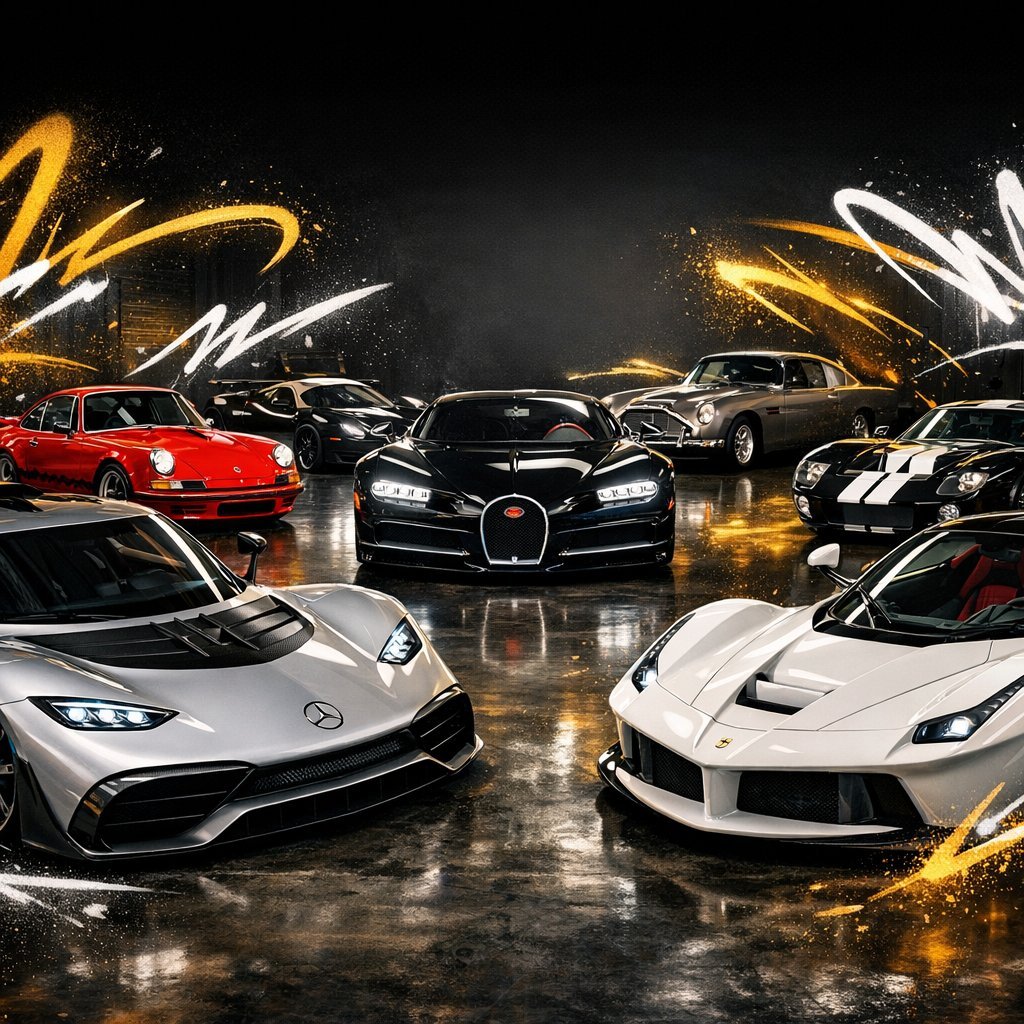
Ever wonder what it’s like to walk among a thousand rare, beautiful machines, each with a price tag that could buy a mansion? Private car collections are where passion, history, and serious money collide. For investors and gearheads alike, the quest for collector cars for sale near me or the next big auction score is more than a hobby—it’s a high-stakes game.
The biggest car collection in the world can reach thousands of vehicles, easily topping hundreds of millions in value. These collections blend rare classics, limited editions, and rolling pieces of automotive history. The global market for collector cars is only getting hotter, and I’d argue we’re still in the early innings of mainstream recognition.
This analysis digs into the world’s most valuable private car collections, breaking down what sets them apart—and why investors and collectors chase after these machines. We’ll look at legendary collectors, specialized holdings, and the financial data that makes this market so compelling. There’s a reason car collector auctions are seeing record prices year after year.
1) Jay Leno’s Car Collection
Jay Leno’s garage is legendary among car collectors. The former Tonight Show host owns more than 180 cars and 160 motorcycles, all tucked away in a sprawling Burbank, California, facility.
Financially, Leno’s collection is estimated at north of $100 million—some whisper it might be closer to $150 million, but who’s counting? Either way, it’s easily one of the most valuable private automotive stashes on the planet.
His lineup is wild: pre-war classics, modern hypercars, a McLaren F1, multiple Duesenbergs, and a heap of custom builds. The guy doesn’t just collect—he maintains and drives them, too.
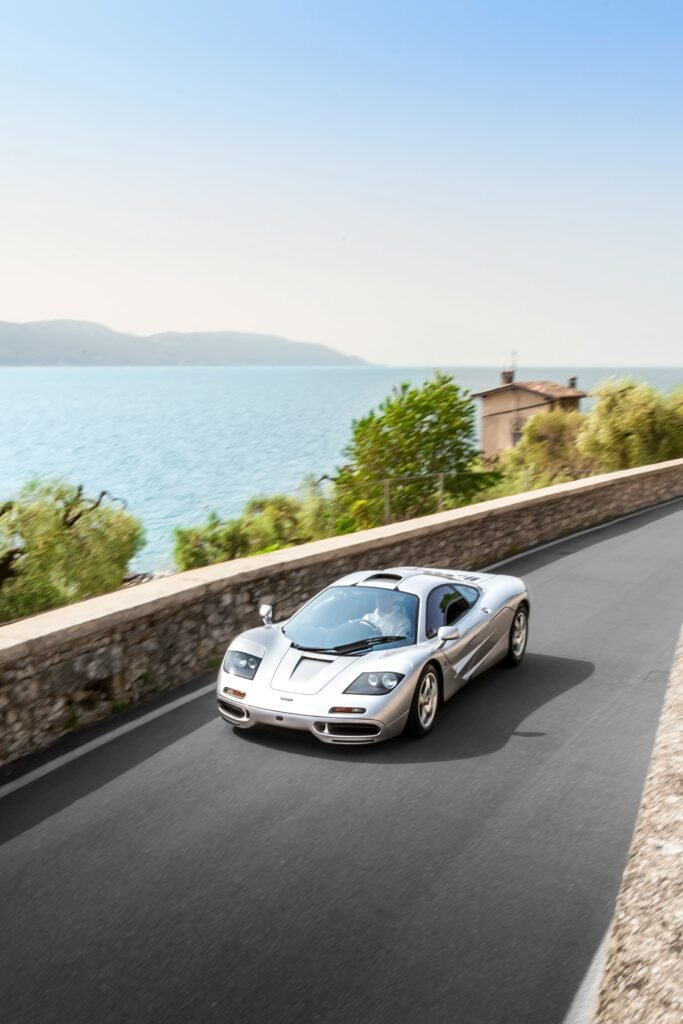
That’s the thing about Leno. He’s not just buying for investment (though, let’s be real, the returns have been excellent). He actually drives his cars, showcases them on his YouTube channel, and seems to genuinely love the quirks of each machine.
He’s pretty open about his approach: buy what excites you, not what’s trendy. This philosophy has built an eclectic, historically rich collection.
Leno leads global searches for celebrity car collections, outpacing even Ronaldo and Bill Gates. In the car world, he’s a bigger deal than he ever was on late-night TV, which is saying something.
The garage itself? It’s a car lover’s paradise. Full workshops, specialized staff, and a vibe that’s more laboratory than museum.
His collection of over 180 vehicles is both a passion project and a serious asset. In my view, his “buy what you love” strategy has paid off—financially and in pure joy.
2) Ralph Lauren’s Vintage Cars
Ralph Lauren, the fashion icon, has quietly built one of the most jaw-dropping car collections out there. Over 70 rare machines, each one a showstopper.
He’s spent decades curating cars that are, frankly, as stylish as his clothing lines. Some of the Ferrari 250 GTOs in his garage are worth $50 million each. That’s not a typo.
The collection is a timeline of automotive design. Lauren owns Bugattis from the ’30s and ’40s, including a 1938 Type 57SC Atlantic Coupe—one of four ever built, valued in the tens of millions.
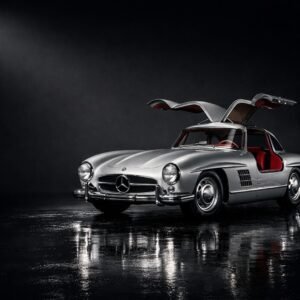
He’s got American classics, too: a 1962 Ferrari 250 GTO, a 1955 Mercedes-Benz 300SL Gullwing, even muscle cars and Le Mans racers.
Lauren doesn’t just stash these cars. He actually drives them. He’s said he loves the craftsmanship and design—the same stuff that made his name in fashion.
There’s a clear connection between his cars and his brand strategy: timeless style, quality, and attention to detail. It’s not about trends; it’s about legacy.
He’s shown the collection at museums, published a coffee table book, and occasionally lets the public peek behind the curtain. But mostly, it’s a private affair.
Estimates peg the value at hundreds of millions—easily putting Lauren among the biggest car collections in the world. For my money, his taste and eye for design make this one of the most enviable private stables anywhere.
3) Sultan of Brunei’s Rolls-Royce Fleet
Sultan Hassanal Bolkiah of Brunei doesn’t just collect cars—he hoards them. He’s rumored to own the world’s largest private Rolls-Royce collection, with numbers floating between 500 and 600 Rolls-Royces alone.
At one point in the ’90s, his family was buying nearly half of all new Rolls-Royces worldwide. That kind of clout gets you exclusive models and custom builds most collectors can only dream about.
One highlight? A Silver Spur II—plated in 24-carat gold, built for his wedding, costing a reported $14 million. That’s peak excess, even for this crowd.
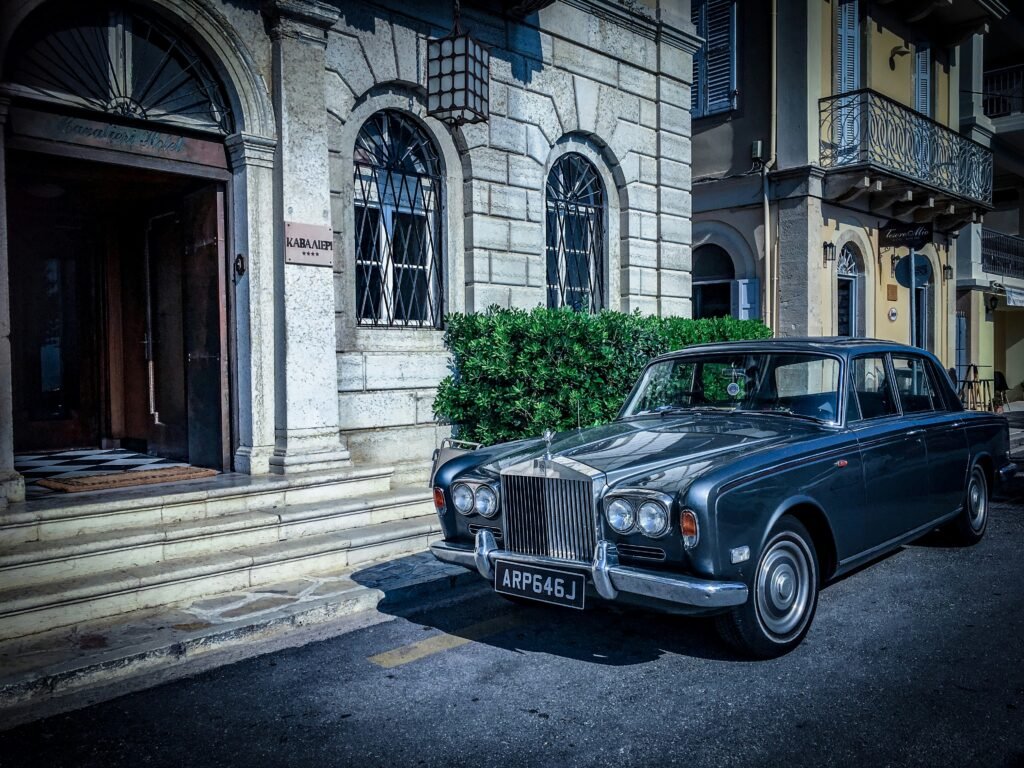
But Rolls-Royces are just a slice of it. The entire car collection is estimated at 7,000 vehicles, with values north of $5 billion. Ferraris, Bentleys, you name it—it’s all there.
Most of these cars are hidden away in climate-controlled hangars, far from prying eyes. The Sultan’s collection is the definition of private—almost mythical among car collection enthusiasts.
His buying power during the ’90s meant he could commission anything, from wild custom builds to one-off limited editions. That kind of access is what sets this collection apart.
The buying frenzy has slowed, but the Sultan’s passion for British luxury—especially Rolls-Royce—remains clear. I can’t help but wonder what’s still tucked away, gathering dust and value.
4) Jerry Seinfeld’s Porsche Collection
Jerry Seinfeld is a Porsche guy, through and through. His collection is focused, obsessive, and—if you love Porsches—absolutely glorious.
He’s got over 50 Porsches, and these aren’t just “nice old 911s.” They’re the rarest, most significant models in the brand’s history.
Some highlights: a 1949 Porsche 356/2 Gmünd (number 40 of just 52 built), a 1955 Porsche 550 Spyder, and a 1973 911 Carrera RS. Each car is a chapter in Porsche’s engineering story.
The collection’s total value? Around $200 million, give or take. He’s got a few Lamborghinis and Jaguars, but Porsche is the beating heart.
What’s refreshing is that Seinfeld cares more about engineering and purity than just dollar signs. He’s said he loves the mechanical feel of vintage Porsches—their quirks, their honesty.
He stores the cars in a private Manhattan facility, and, yes, he actually drives them. That’s rare at this level.
Seinfeld has even sold cars at auction—18 in 2016 alone—so the collection evolves. His reputation in the car collectorworld is rock-solid, and I’d argue he’s one of the most authentic enthusiasts out there.
Investment Framing & Actionable Insights
If you’re hunting for collector cars for sale near me or tracking collector car auctions, here’s what I’d keep in mind: the best collections aren’t just about value—they’re about story, rarity, and personal connection. The top collections prove that passion and patience drive outsized returns.
Financially, blue-chip classics (think Ferrari 250 GTO, McLaren F1) have outperformed many traditional assets over the last two decades. According to Knight Frank’s Luxury Investment Index, classic cars appreciated 185% over the past ten years, outpacing art and wine. But beware: the market is cyclical, and tastes shift.
Look for cars with documented provenance, limited production, and strong enthusiast followings. If you’re a new car collector, start with a niche you love—Porsche, American muscle, whatever lights you up. Attend auctions, join clubs, and, above all, buy what excites you. That’s where the real upside—and fun—lives.
5) Albert Spiess’ Luxury Cars
Albert Spiess, a Swiss businessman from Zurich, has quietly assembled one of the most jaw-dropping car collections in the world. His private stash boasts over 100 vehicles—most of which aren’t just luxury cars, but rare prototypes, concept cars, and elusive one-offs you’d probably never spot outside a museum.
Among classic car collectors, Spiess is almost legendary for his obsession with Lamborghini. The story goes back 45 years, when he picked up a 1979 Countach LP400 S—an investment that, honestly, most of us can only dream about.
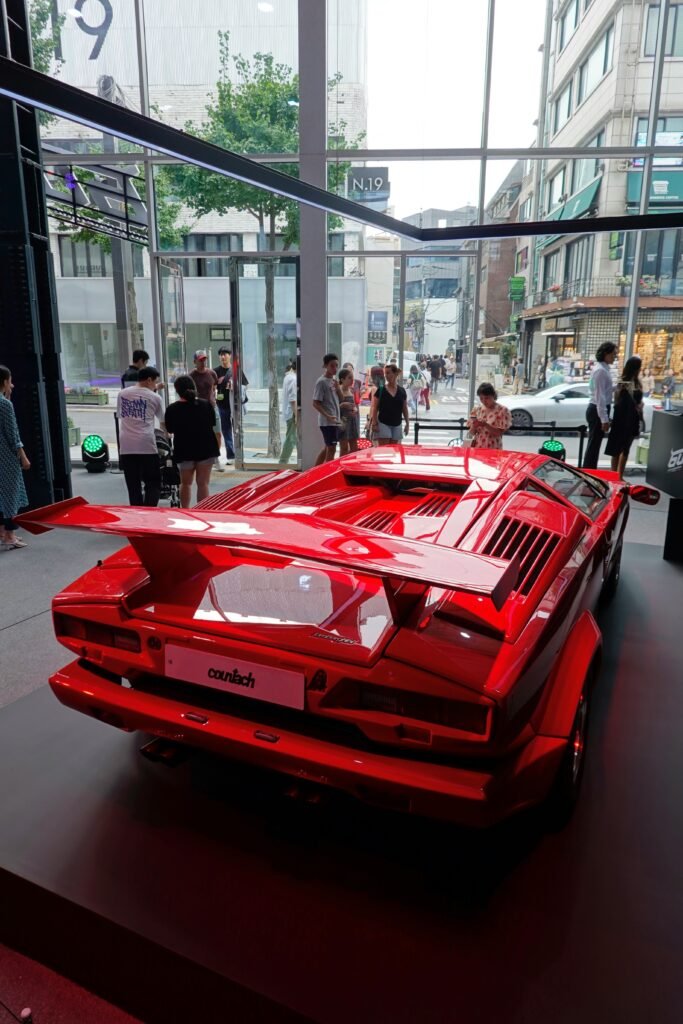
Since then, he’s made it his mission to snag every Lamborghini few-off model built since 2007. These ultra-limited production cars—just a handful made—are the kind of machines that blur the line between art and engineering. He’s acquired all six of Lamborghini’s ultra-rare supercars from this century, turning his garage into a living timeline of the brand’s wildest ideas.
Early on, he added a Miura SV and a Silhouette to his stable. These cars set the tone for a collection that’s as much about passion as it is about shrewd investment. Every model reflects a leap in design or engineering—chapter markers in the ongoing story of automotive ambition.
Spiess isn’t your typical show-off billionaire collector. He’s almost scholarly about it, quietly studying each car’s details and history. According to The Key ranking, he’s in the top ten globally—a metric that’s as much about discernment as deep pockets.
His collection includes prototypes and early builds that showcase pivotal moments in automotive technology. Every car is a time capsule, especially the few-off models, which are about as exclusive as it gets. For investors, that level of craftsmanship and provenance is gold—these cars tend to outperform the market, especially when mainstream assets get shaky.
6) John Scotti Classic Cars Inventory
John Scotti Classic Cars has been a Montreal institution for nearly 50 years, with one of the deepest vintage vehicleinventories in Quebec. This isn’t just a dealership—it’s a hub for collectors, restorers, and anyone chasing the thrill of finding the next great classic.
Their lineup stretches across decades and brands—think Ford, Chevrolet, Plymouth, Cadillac, Mercedes, Pontiac. Muscle cars, rare editions, and prestige models all make regular appearances. If you’re a car collector in Canada, you’ve probably heard the name.
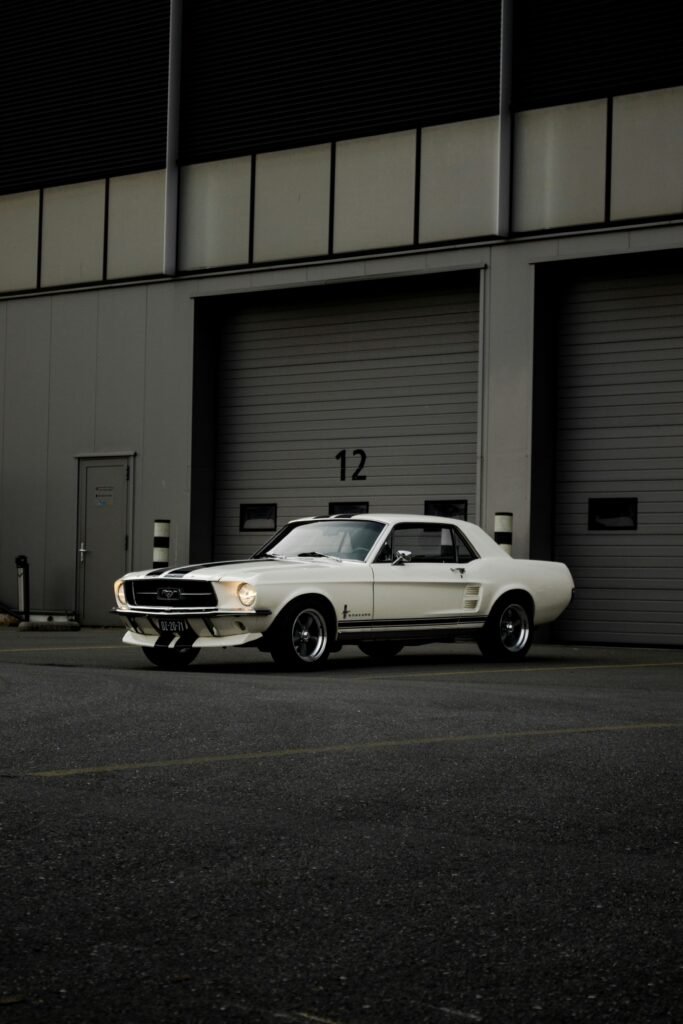
What’s refreshing? Collector cars for sale here start around $8,990. That means the dream isn’t just for the ultra-wealthy—there’s something for almost every budget, from entry-level classics to blue-chip investments.
The parts operation, Dingy’s Vintage Parts, is another ace up their sleeve. They stock original parts and accessories for a huge range of vintage cars. For anyone restoring a car—or just obsessed with authenticity—this is a game-changer for maintaining or boosting value.
Restoration is where John Scotti really shines. With over 25 years in the business, their in-house team has brought countless classics back to life. Many vehicles in their inventory have been professionally restored, which is a huge plus for investors eyeing appreciation potential.
They cater to collectors chasing rare muscle, exotics, or hard-to-find domestic models. If your dream car isn’t in stock, they’ll even hunt it down or let you know what’s in the restoration pipeline. That kind of service is rare, and honestly, it’s what keeps serious car collectors coming back.
John Scotti Classic Cars isn’t just about sales—they’re a full-service center. Buy the car, keep it running, and protect your investment all in one place. That’s a level of assurance you don’t find at most collector car auctions or typical used car lots.
Their inventory moves fast, so if you spot something, don’t wait. For anyone searching “collector cars for sale near me,” this place should be on your radar—especially if you’re weighing the investment angle as much as the thrill of ownership.
What Defines a World-Class Car Collection?
The best car collections out there? They’re not just big—they’re curated with real thought, blending automotive history with sharp investment instincts.
Scale and Diversity of the Collection
World-class collections usually have 50 to 500 cars, sometimes way more. The biggest car collection in the world is a wild mix from every era and brand you can imagine.
Diversity matters. A strong collection isn’t just a row of Ferraris or muscle cars—it’s a timeline, with pre-war classics, modern supercars, and even racing legends thrown in.
Building a high-end car collection isn’t just about numbers. It’s about telling a story—mixing brands, eras, and even countries. Italian, German, British, French, American—they all bring something different to the table.
Rarity and Provenance of Collector Cars
Let’s be honest: rarity is king. Cars built in runs of less than 100? Those are the ones collectors chase, and they don’t come cheap.
Provenance—meaning, the car’s life story—matters just as much. If you’ve got original paperwork, maintenance logs, or a car driven by someone famous, you’re sitting on a gold mine.
Matching numbers (original engine, transmission, chassis) can bump a car’s value by 30–50%. Original paint and factory specs? Even better.
Investment Strategies Among Classic Car Collectors
Classic car collectors aren’t just buying for fun—there’s a plan. Some hunt for undervalued gems before the market catches on. Others stick to “blue-chip” cars that have a proven track record.
Diversification is smart. Spreading your money across different price points and eras helps weather the ups and downs of the market.
Personally, I’m always scanning auction results and private sales data. If you’re shopping for collector cars for sale near me, don’t skip the research. Maintenance, storage, and even how easy it’ll be to sell later all play a role.
Professional appraisals are a must. I’d never buy anything significant without a thorough inspection. And if you want real appreciation, plan to hold for at least a decade.
The Value Proposition: Why Investors Pursue Collector Cars
Collector cars aren’t just toys anymore—they’re serious assets. In the first half of 2025, global auction sales hit $2.3 billion. That’s not pocket change.
Investors are drawn to these machines for their appreciation potential and the way they diversify a portfolio. Plus, let’s face it, they’re a lot more fun than stocks or bonds.
Appreciation Trends in Classic and Exotic Cars
The classic car market has outperformed plenty of traditional investments if you pick right. Some models have returns that leave the S&P 500 in the dust.
What drives value?
- How rare the car is
- Brand history and racing success
- Original condition and paperwork
- Cultural or media relevance
I’ve noticed cars from the 1980s and 1990s are hot right now. Younger buyers want what they grew up seeing, and prices are climbing fast. Ferrari, Porsche, and Mercedes with documented histories are especially strong performers.
Authenticity is everything. Cars with matching numbers and original paint appreciate faster than those with swapped parts.
Risks and Opportunities in Car Collecting
Classic cars as investments aren’t risk-free. Market swings can be brutal, and tastes change. One year it’s muscle cars, the next it’s JDM icons.
Risks to watch out for:
- Sky-high maintenance and storage bills
- Hefty insurance premiums
- Timing the market and actually selling when you want
- Making sure the car’s history checks out
Storage is a real cost—climate control isn’t optional. Annual maintenance, especially for exotics, can run into the thousands even if you barely drive them. And good luck finding a mechanic who knows how to work on a 1930s Phantom.
But there’s an upside. Collector cars don’t move in sync with the stock market. You can enjoy them, show them off, and be part of a tight-knit community while they (hopefully) appreciate.
Global Demand and Marketplaces for Collector Cars
Collector demand is growing fast, especially in Asia. Buyers from China and Singapore are making big moves at auctions. The Middle East is another hotspot, particularly for rare supercars.
RM Sotheby’s, Bonhams, Gooding & Company—these auction houses set the tone. Online platforms have opened the doors wider, so now anyone can bid from anywhere. Still, the biggest deals often happen behind closed doors with trusted dealers.
The market is hungry for:
- Pre-war classics with racing pedigrees
- Muscle and sports cars from the ‘60s and ‘70s
- Super-limited exotics from the 2000s and 2010s
- Cars with celebrity or movie history
2025 trends show collectors are still paying up for cars with bulletproof histories. Auction transparency is up, too, thanks to better data and public sales records.
Frequently Asked Questions
Private car collections always spark curiosity—everyone wants to know how to get in, what’s worth buying, and how the market really works. The biggest car collection in the world is shrouded in mystery, but there are some things we do know.
Who currently holds the title for the largest private car collection in the world?
The Sultan of Brunei is the name you’ll hear most. His collection is rumored to be between 3,000 and 7,000 cars. Mind-blowing, right?
The exact count is still a secret, but it’s packed with Rolls-Royces, Ferraris, Bentleys—if it’s rare, he probably owns it.
What are some notable classic cars considered valuable investments?
Porsche 911s from the ‘60s and ‘70s are steady climbers. Ferrari 250 GTOs have gone for tens of millions at auction—no exaggeration.
Early Corvettes, especially the 1963 split-window, are always in demand. The Mercedes-Benz 300SL Gullwing from the ‘50s is another collector favorite.
Shelby Cobra originals and Ford GT40s are legendary investment cars. If you’re just starting out, Jaguar E-Type Series 1 models are a smart, accessible pick.
Which collector in Europe possesses the most extensive car collection?
Albert Spiess is a major name in Europe, with around 500 luxury and classic cars in Switzerland. That’s a serious commitment.
His collection is stacked with Rolls-Royce, Bugatti, and Ferrari. He leans toward pre-war classics and post-war luxury—cars that changed the game.
How can someone identify collectible cars that may be for sale in their vicinity?
Collector cars for sale are easiest to find online—Bring a Trailer, Hemmings, ClassicCars.com are great starting points. Local car clubs are goldmines for leads, too.
Check out regional shows and auctions if you want to meet sellers face-to-face. And don’t overlook estate sales or even the occasional classified ad—sometimes the best finds are hiding in plain sight.
Get to know local restoration shops and mechanics. They often know about cars before they’re listed anywhere. Word-of-mouth is huge in this world.
What factors contribute to the value of cars in a private collection?
Rarity is the obvious one—limited production always gets attention. Original condition and matching numbers for engine and chassis are big value drivers.
Provenance and maintenance records are critical. If a car was owned by a celebrity or raced at Le Mans, expect to pay a premium.
Demand changes with trends and generations. Restoration quality matters, but overdoing it can actually hurt value with serious purists.
Proper storage and climate control keep cars at their best. Some marques and models just appreciate faster—usually the ones with a story or a bit of cultural magic.
Can you name any prominent car collectors known for their significant contributions to the classic car community?
Let’s be honest—if you’re searching for collector cars for sale near me, you probably already know the names that define the scene. Jay Leno’s collection is basically legendary. He’s got over 180 vehicles stashed away, and we’re not just talking muscle cars—he’s got steam cars, early electrics, and oddball prototypes you’d never see at most collector car auctions.
Leno isn’t just hoarding them, either. He shares stories and mechanical deep-dives on his YouTube channel, which, if you haven’t watched, is honestly a must for any true car collector. It’s hard not to admire the way he makes automotive history feel alive and accessible.
Ralph Lauren takes a different approach. His collection is all about design—think rolling sculptures from the 1930s to 1960s. The guy’s taste is impeccable, and he’s not shy about letting the world see it. He’s loaned his cars to major museums and shows. If you ever catch one of his Ferraris or Bugattis at a concours, it’s worth the trip.
Then there’s Jerry Seinfeld. The man’s Porsche obsession is almost comical, but he’s dead serious about it. At one point, his air-cooled Porsche collection set the tone for the whole market. When he sold off a chunk at auction, prices for vintage 911s and Carreras spiked. Here’s a deep dive into the Porsche Carrera GT if you want to see what all the fuss is about.
Honestly, these aren’t just guys with deep pockets—they’re shaping the culture. They set standards, influence pricing, and keep the dream alive for the rest of us hunting for the next hidden gem in local car collections or dreaming about building the biggest car collection in the world.
If you’re thinking about investing, watch what these folks buy and sell. The market tends to follow. My take? Don’t just chase what’s hot—find the cars that move you. That’s where the real value is, both financially and emotionally.