
Ever wonder if that ultra-low mileage on a limited edition car really makes it worth a fortune—or if sometimes, more miles actually add a dash of magic? The answer’s not as simple as you might think, and the stakes for collectors and enthusiasts are sky-high.
Limited edition cars sit in a league of their own, blending exclusivity with serious investment potential. Unlike your average commuter, these rare beasts break the usual rules about how mileage affects value.
When it comes to “how mileage affects limited edition car value,” things aren’t black and white. Sometimes, ultra-low mileage can even backfire, while moderate use—when well-documented—might help a car hold or even gain value.
So, does low mileage increase limited edition car value? Usually, yes, but not always. Market research shows mixed results, and factors like production numbers, historical significance, and demand often matter more than the numbers on the odometer.
If you’re navigating the “limited edition cars mileage vs value guide,” it pays to know when mileage matters and when it’s just a number. Some cars truly benefit from being garage queens, while others shine brightest with a bit of history under their tires.
Let’s dig into why mileage matters for these special models. Limited edition cars with low mileage are like time capsules—pristine, original, and rare.
Take a 1967 Shelby GT500 with under 10,000 miles. That car still has its original engine components and interior, which is almost unheard of today.

Authenticity factors collectors crave:
- Original factory documentation
- Unmodified mechanical parts
- Preserved paint and interior
- Complete service history
- Low miles mean less wear on the engine, transmission, and suspension. These cars avoid the typical stress and tear that comes from years on the road.
Collectors love originality. They’ll pay a premium for cars that stick to factory specs, with no sketchy replacement parts or questionable mods.
High Mileage Versus Low Mileage: Effects on Car Value
It’s no secret: low-mileage collector cars often have the most investment potential. For example, a 1990s Toyota Supra Turbo with low miles can sell for nearly twice as much as a high-mileage twin. That’s the “impact of mileage on collectable car prices” in action.
Mileage Range Value Impact Market Appeal
Under 10,000 miles Premium pricing Highest demand
10,000-30,000 miles Above average Strong interest
30,000-50,000 miles Market rate Moderate appeal
Over 50,000 miles Below average Limited interest
High-mileage cars usually need more repairs and maintenance. That’s a turnoff for collectors, who want reliability and low ownership costs.
limited edition cars with high mileage on the dial
Auctions love low-mileage cars. An early 2000s BMW M3 with limited miles can spark a bidding war, with buyers driving up the price in a frenzy.
Depreciation Curves and Mileage Milestones
Limited edition cars don’t just lose value steadily as miles tick up. Instead, they hit sharp drops at certain points—think cliffs, not hills.
Critical mileage milestones:
- 25,000 miles: First big hit to value
- 50,000 miles: Major drop-off
- 75,000 miles: Market interest fades
- 100,000+ miles: Collector interest plummets
Buyers see cars passing 25,000 miles as “used,” not “barely driven.” That’s a psychological barrier, whether it makes sense or not.
After 50,000 miles, depreciation speeds up. Buyers worry about looming maintenance—timing belts, big overhauls, you name it.
Still, some ultra-rare limited editions keep their value even with higher mileage. Rarity can trump everything else in certain cases.
When Mileage Doesn’t Affect Limited Edition Car Value
Here’s where things get weird. Some limited edition cars shrug off mileage concerns entirely. If the car’s rare enough or has serious history, the odometer almost doesn’t matter.
Rarity and Collector Demand
Ultra-rare models—think under 500 ever made—create their own rules. Collectors care more about owning a piece of automotive history than about how many Sunday drives it’s had.
The Ferrari LaFerrari is a textbook example. Only 499 exist, and even with 10,000 miles, these cars still fetch millions at auction.
What overrides mileage?
- Tiny production runs
- Legendary brands
- Years-long waiting lists
- Celebrity or racing pedigree
- Take the McLaren P1. Owners drive them regularly, but with just 375 made, demand stays sky-high.
- Mileage? It’s a footnote.
Porsche 918 Spyders? Even the well-used ones hold strong values. These hypercars were built to be driven, not just admired.
Historical Significance and Provenance
If a car has racing heritage or cultural clout, mileage fades into the background. A storied past can outweigh mechanical condition by miles—literally.
Original Shelby Cobra 427s, for instance, keep auction prices in the seven figures, no matter how many tracks they’ve seen. It’s all about that racing legacy and Carroll Shelby’s signature touch.
Provenance factors that matter more than miles:
- Factory racing team ownership
- Championship wins
- Famous previous owners
- Movie or TV fame
- First or last off the line
- The Ford GT40 that conquered Le Mans? It sold for $11 million despite heavy race use. The story, not the mileage, drove the value.
Sometimes, a car with a bit of patina and a rich story just feels more authentic than a garage queen.

Luxury and Classic Car Market Exceptions
limited edition cars with high mileage on the dial srrounded by glow
Some luxury classics flip the script entirely. Here, originality and proper care trump low mileage.
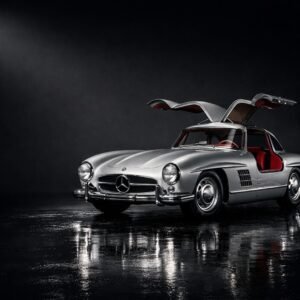
Mercedes-Benz 300SL Gullwings with original parts and full service records easily outshine low-mileage cars that sat neglected. Collectors want driven cars with a paper trail, not mystery machines.
Segments where mileage means less:
- Pre-war classics
- Hand-built luxury cars
- Coachbuilt specials
- Racing homologation models
Jaguar E-Types? Buyers care more about matching numbers and rust-free bodies than the odometer. A 100,000-mile, well-kept car can beat a 20,000-mile basket case every time.
Aston Martin DB5s that’ve been loved and maintained often appreciate faster than ones that sat untouched. The market rewards cars that have lived a little.
Additional Factors Impacting Value Beyond Mileage
Mileage isn’t everything. Maintenance records and service history can make or break a sale. The “impact of mileage on collectable car prices” is huge, but neglect or shoddy repairs can tank value faster than a few extra miles ever could.
Maintenance History and Service Records
Think of maintenance records as a car’s medical chart. Collectors will pay a premium for a car with a well-documented service history.
What buyers want to see:
- Factory service stamps and receipts
- Regular oil changes
- Major services on time
- Brake, tire, and fluid records
Regular maintenance keeps a car running and retains its value. For example, a Ferrari with a perfect service record can sell for 15-20% more than one with gaps in its history. That’s real money.
Buyers trust luxury dealerships more than indie shops, especially for rare models. Factory-trained techs know these cars inside out.
Even storage matters. Climate-controlled garages and seasonal prep show that an owner cared—sometimes obsessively—about preservation.
Upgrades, Repairs, and Modifications
Factory upgrades usually boost value, but wild aftermarket mods? Not so much. Collectors want originality, not someone else’s vision.
Good upgrades
- Factory performance packages
- Official accessories
- Period-correct options
Bad Upgrades
- Aftermarket exhausts
- Non-original wheels or suspension
- Custom interiors
Quality repairs with OEM parts keep value high. A $5,000 engine rebuild with factory components? Worth it. Cheap fixes? Not so much.
Restoration work is a double-edged sword. Done right, it’s a masterpiece. Done poorly, it can slash value by thousands.
Warranty, Replacement, and Longevity
Extended warranties offer peace of mind, especially for high-value cars. Some limited editions even qualify for special factory programs.
Replacement parts availability is a hidden deal-breaker. If the parts are gone for good, maintenance costs skyrocket and values can nosedive.
Longevity factors:
- Engine and transmission durability
- Parts still in production
- Specialist support networks
- Known failure points
Porsche’s legendary parts support keeps its classics valuable for decades. Lesser-known brands? Not always so lucky.
Regular maintenance is the secret sauce for longevity. A well-kept limited edition might even appreciate, while a neglected one heads for the bargain bin.
Mileage Evaluation in Practice
What Buyers and Sellers Should Know
Checking mileage isn’t just about reading an odometer. You’ve got to verify authenticity, consider how the car was driven, and know that certain limited edition models react differently to high mileage than your everyday ride.
Odometer Verification and Red Flags
Ever wondered if that “barely driven” limited edition car is really as untouched as the ad claims? Odometer readings can make or break a collectable’s value, but the story isn’t always as simple as a number on the dash.
limited edition cars with high mileage on the dial
The odometer’s supposed to be the truth-teller for how much a car’s been driven, but let’s be real—tampering happens, especially when big money’s on the line with limited edition cars. Sure, digital odometers are tougher to mess with than the old-school mechanical ones, but determined fraudsters still find ways.
Key verification steps include
- Check title documents for any mileage oddities.
- Look for wear patterns on pedals, steering wheels, and seats.
- Dig into service records to see if the mileage adds up logically.
- Watch for suspicious gaps in the maintenance history.
If a car claims 30,000 miles but has pedals worn down to the metal, that’s a red flag waving right in your face.
Physical inspection points
- Interior wear: Seat bolsters and shifters tell the truth about real use.
- Tire condition: Uneven tread? Could be a sign of neglect or alignment issues.
- Paint ageing: If the paint’s sun-faded but the mileage is low, something’s off.
Honestly, a good professional inspection can uncover mileage-related maintenance costs that most buyers never even think about.
Driving Habits and Usage Patterns
Not all miles are created equal, especially when we’re talking limited edition rides. Highway cruising is way gentler on a car than endless stop-and-go city traffic, and the difference shows up in value.
Highway vs. city driving effects:
- Engine longevity: Steady speeds mean less thermal stress—engines love consistency.
- Transmission health: Fewer gear changes mean less wear on clutches and fluids.
- Brake preservation: Less stop-and-go equals longer-lasting brakes.
- Fuel efficiency: Highway miles keep engines running at their sweet spot.
It’s funny—lease cars rack up highway miles fast, but sometimes they’re in better shape than a “weekend only” collectable that’s lived in the city.
Usage pattern indicators
- Where was it serviced? Highway towns or city garages?
- Oil changes—highway drivers can stretch intervals a bit, city drivers can’t.
- Even tire wear? That usually screams highway use.
Some limited edition models that rack up mostly highway miles somehow keep their engines and exhaust systems in better shape, even with a higher odometer reading. That’s always interesting to see.
Impact on Specific Models and Case Examples
Here’s where it gets spicy: not all limited edition cars react the same way to mileage. A Toyota Corolla? It’ll shrug off 100,000 miles and keep going. But an exotic limited edition? Every extra mile can sting the value.
Performance-focused examples
- Sports cars: Track days and engine mods can tank value fast.
- Luxury sedans: They’re loaded with electronics that can fail, no matter the mileage.
- Collector editions: For some, originality and history trump the odometer.
Mileage tolerance by category
- Vehicle Type High Mileage Threshold Value Impact
- Japanese Sports Cars 80,000+ miles Moderate
- German Luxury 60,000+ miles Significant
- American Muscle 50,000+ miles Variable
According to Edmunds, some limited editions actually age better when they’re driven regularly. Cars that sit too long develop weird problems—think brittle seals and seized brakes.
Maintenance-dependent factors:
- Timing belt swaps: Absolutely crucial for interference engines.
- Transmission service: Automatics need regular fluid changes, period.
- Exhaust system corrosion: Short trips do more harm than long drives.
Sometimes, collectors even prefer a higher-mileage limited edition with a full, honest service history over a low-mileage “mystery box.” Makes sense, right?
Final Words
In the end, mileage tells only part of the story. For limited edition cars, passion, provenance, and preservation often outshine the odometer. Whether it’s a garage queen or a well-driven legend, true value lies in authenticity—and the legacy it carries every time the engine roars to life.
Thanks for reading! If you enjoyed this deep dive, be sure to subscribe to my email list for exclusive car reviews, insider tips, and weekly special offers on car parts, auctions, and gear — perfect for any car enthusiast.
And don’t forget to read related posts for more great content!
Frequently Asked Questions
People always ask: “How does mileage affect limited edition car value?” The answer’s complicated, and honestly, it depends on scarcity, brand reputation, and collector demand.
How does low mileage affect the value of limited edition cars?
Low mileage almost always gives limited edition cars a boost—sometimes by 15-30% over higher-mileage versions. If you find one with under 5,000 miles, collectors will line up for it, chasing that “as-new” magic.
Look at the Porsche 911 R or Ferrari LaFerrari—ultra-low mileage examples of these can sell for hundreds of thousands more than those with a few extra road trips on the clock. Their extreme scarcity and status do most of the heavy lifting.
But don’t get fooled: not every limited edition is a guaranteed investment. Mass-produced “specials” rarely see big premiums, even with low miles.
What risk factors should you consider when buying an older limited edition car with low mileage?
Low mileage can be a double-edged sword. Cars that sit for years can develop dried-out seals, old fluids, and sticky brakes—even if they’ve barely been driven.
Sometimes, the clutch or brake system needs a full refresh, regardless of what the odometer says. Storage conditions can make or break the deal here.
If you’re eyeing an older, low-mileage car, make sure you get the documentation. Service records and storage history are your only real protection against nasty surprises.
At what mileage does a limited edition car’s value really drop?
Most limited editions see their first big value dip between 10,000 and 15,000 miles. That’s when they go from “collector grade” to “driver quality”—and the market notices.
Performance models like AMG Black Series can hold value longer, thanks to their mechanical upgrades. Appearance-only editions? Not so much.
Honestly, brand heritage and model significance matter more than any magic mileage number. Context is everything.
Is there a point where limited edition cars stop depreciating so quickly?
Value usually stabilizes between 25,000 and 40,000 miles. After that, depreciation slows, and the car finds its “natural” value in the market.
Even high-mileage unicorns—think McLaren P1 or Porsche Carrera GT—can still fetch eye-watering prices past 50,000 miles. Rarity trumps mileage at that level.
Honestly, production numbers and market demand have the final say in long-term value, not just the odometer.
Can low mileage really boost a limited edition’s value?
Absolutely. For some ultra-rare supercars, low mileage can add $50,000-$200,000 to the price tag. Sub-1,000-mile cars? They’re the holy grail for collectors.
The size of the bump depends on how rare the car is and how much collectors want it. If there are only 500 in existence, low mileage becomes pure gold.
But watch out—too many variants of a “limited edition” can water down the effect. Scarcity still rules the game.
How does the “20% rule” apply to purchasing limited edition cars with respect to mileage?
Ever wondered why some limited edition cars seem to defy gravity when it comes to price? Well, mileage plays a starring role, and the so-called “20% rule” is at the heart of it all.
Here’s the gist: buyers usually pay about 20% more for a limited edition car with under 5,000 miles compared to one with 15,000 miles. That’s not just a random number—collectors crave rarity, and low mileage is like gold dust in this world.
But does low mileage always increase limited edition car value? Up to a point, yes. Once a car crosses the 20,000-mile mark, things change. The value curve flattens, and suddenly, the “limited edition cars mileage vs value guide” becomes more art than science.
At higher mileage, buyers start caring less about the odometer and more about service history and condition. A well-loved, high-mileage limited edition with meticulous records can sometimes outshine a lower-mileage car that’s been neglected. Surprised? You’re not alone.
So, what’s the takeaway for anyone navigating the impact of mileage on collectible car prices? Don’t just chase numbers. Check maintenance records, scrutinize condition, and remember: the story behind the miles can matter just as much as the number itself.