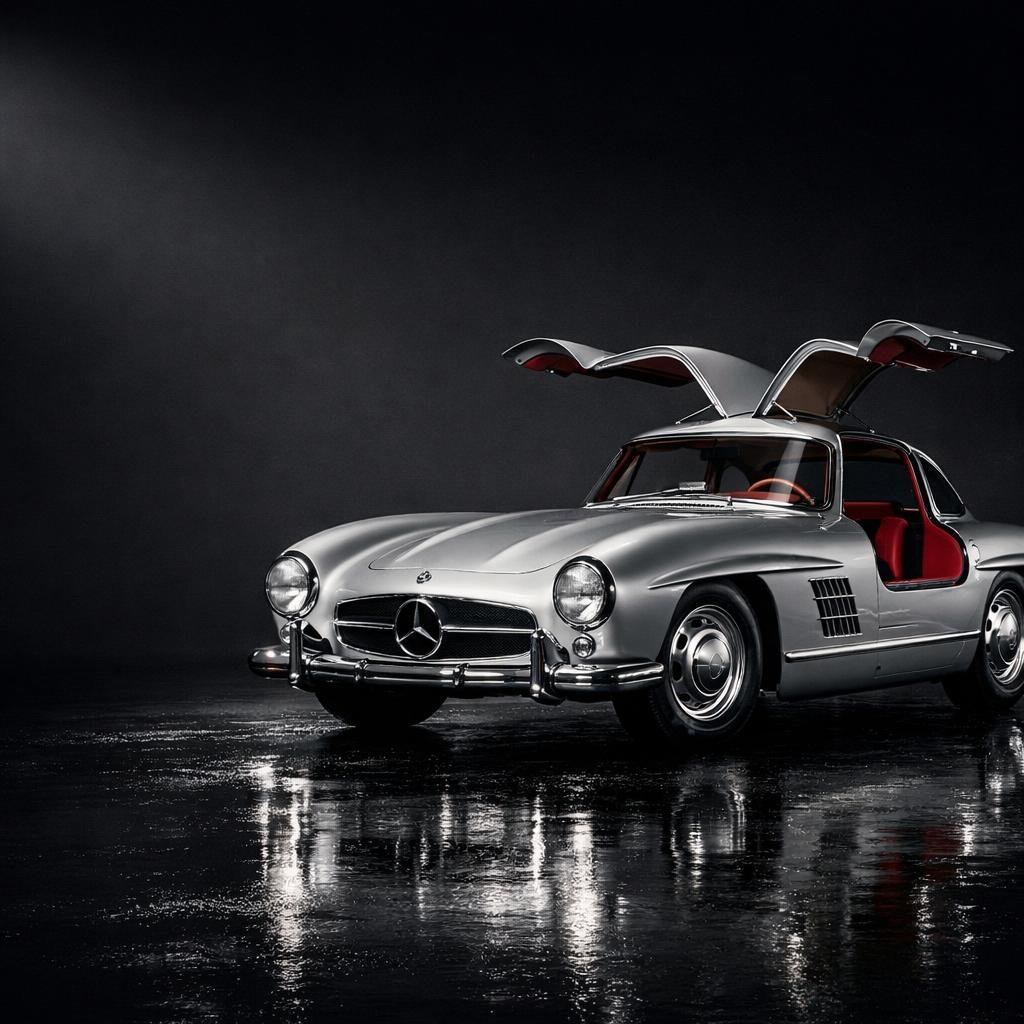
Why Consider Classic Cars as an Investment?
Classic cars aren’t just beautiful machines—they’re tangible, rare assets that can deliver real returns. With €100,000, you’re at the entry point for investment-grade classics from marques like Porsche and Jaguar, but you need to weigh condition, provenance, and model desirability.
This isn’t a passive investment. Cars need active management, including storage, maintenance, and insurance. These factors directly affect your returns and the asset’s preservation.
What Are the Financial Returns and Market Trends?
Over the past decade, classic cars have averaged 8-10% annual returns, though results swing widely by marque and model. Middle-aged male buyers still dominate demand, which shapes which vehicles perform best.
At the €100,000 mark, you’re priced out of top-tier Ferraris and Astons, but you can find well-documented, original examples with solid histories. These are the cars that tend to hold or increase in value, especially if they’re eligible for historic motoring events.
How Do You Avoid Common Pitfalls in Classic Car Investing?
Research and due diligence are non-negotiable. In this market, expertise and authentication make or break your returns. Without them, it’s easy to overpay or miss hidden issues.
I’ve seen investors get burned by skipping a pre-purchase inspection or underestimating restoration costs. It’s easy to fall for a shiny paint job, but the real value is under the surface—matching numbers, original specs, and documented service history.
What Are the Main Takeaways for a €100K Budget?
- With €100,000, you can buy 2-3 investment-grade classics or one blue-chip collector car, but always set aside €15,000-€20,000 for immediate costs like maintenance, tax free zones collector car storage, and insurance.
- Classic cars have appreciated 185% over the last decade (Knight Frank Luxury Investment Index), but meaningful returns usually require holding for 5-10 years.
- Originality trumps cosmetic appeal—matching numbers and documentation can add 30-50% at auction versus modified cars.
- Expect to spend 3-5% of vehicle value per year on storage and maintenance. Climate-controlled storage and specialized insurance aren’t optional.
- Liquidity is low. Selling a mid-tier classic might take 3-6 months and usually needs a specialist auction or broker.
- Diversifying across marques and eras helps reduce risk. Portfolios with 60-70% European, 20-30% Japanese, and 10-20% American classics have shown more stable long-term returns.
How Should You Structure a Classic Car Portfolio?
A €100,000 budget opens up three main strategies. You could go for a single investment-grade car (think €80,000-€95,000), split between 2-3 solid mid-tier classics, or assemble a portfolio of emerging collectibles—maybe 5-7 cars at €12,000-€20,000 each.
Personally, I lean toward the mid-tier approach. It balances diversification and manageability. For example, pairing a 1980s Mercedes-Benz SL with a 1990s BMW M3 and a pre-war British sports car spreads risk and taps different buyer pools.
What Are the Real Costs of Ownership?
Storage, maintenance, and insurance add up fast. Climate-controlled collector car storage typically costs €200-€500 per month per vehicle, especially in tax free zones collector car storage facilities that offer added security and potential fiscal benefits.
Insurance for agreed-value policies usually runs 0.5-1.5% of the car’s value per year. Maintenance? German and Italian classics can easily need €2,000-€5,000 annually just to keep them healthy.
Here’s a quick breakdown:
| Expense | Annual Cost (per car) | Notes |
|---|---|---|
| Climate-Controlled Storage | €2,400 – €6,000 | Tax free zones collector car storage may reduce tax exposure |
| Insurance | €400 – €1,500 | Agreed-value, varies by model/region |
| Maintenance | €2,000 – €5,000 | Specialist labor, parts scarcity |
| Annual Total | €4,800 – €12,500 | Per vehicle |
How Do Classic Cars Compare to Other Asset Classes?
Classic cars have delivered average returns of 97% over 10 years, outperforming gold (45%), art (49%), and UK property (50%). Equities still edge out cars at 107%, but the non-correlation and tangible nature of cars are a draw, especially for those who want diversification.
After accounting for storage, insurance, and maintenance, net returns typically land around 6-7% annually—better than most bonds, and you get the added benefit of physical enjoyment and event participation.
What Risks Should Investors Consider?

Condition is everything—it can determine 40-60% of a car’s value. Mechanical issues or undisclosed damage can wipe out your gains. I always recommend allocating at least 30% of your budget for inspections, transport, and the first year of maintenance.
Storage security is key. Climate-controlled, secure facilities—ideally in tax free zones collector car storage—can cost €200-€500 per month, but the peace of mind is worth it. Specialist maintenance is pricey, with labor often running €80-€150 per hour.
Liquidity can be a headache. In a slow market, selling can take 6-18 months. And don’t underestimate authentication risk—misrepresented provenance can cut value by 30-80% overnight.
Are Tax Free Zones Collector Car Storage Facilities Worth It?
Tax free zones collector car storage is gaining traction, especially for high-value collections. These facilities can help reduce VAT or capital gains exposure, depending on your jurisdiction. They also offer enhanced security, climate control, and sometimes concierge services.
For investors building multi-car portfolios, the cost premium is often justified by the tax efficiency and protection against environmental risks. If you’re serious about long-term returns, it’s worth running the numbers on these options.
What Are the Actionable Steps for New Investors?
Start by defining your risk tolerance and investment horizon. Are you after a single blue-chip car or a diversified group of emerging classics? Always budget for storage, insurance, and maintenance—don’t underestimate these ongoing costs.
Work with reputable specialists for inspections and authentication. Consider the benefits of tax free zones collector car storage if your collection grows. And be patient—meaningful returns take time in this market.
Classic car investing isn’t for everyone, but for those who appreciate mechanical beauty and have a taste for alternative assets, it can be deeply rewarding—financially and personally.
Are Sub-€100K Classic Cars Still a Smart Investment?
The sub-€100,000 collector car market keeps humming along, even when higher-end auctions get shaky. I’ve watched vehicles in the €15,000 to €50,000 range draw the broadest crowd—there’s real liquidity here, especially compared to the six-figure exotics that can languish for months or years.
European sports cars from the 1980s and 1990s—think Porsche 911 (964), BMW E30 M3, Mercedes-Benz R107 SL—have held up particularly well. These models aren’t just fun to drive; they’ve posted steady appreciation, and I can’t help but notice how many buyers are genuinely enthusiasts, not just speculators.
Private collectors still chase vehicles under €100,000, which says a lot about sustained demand for accessible classics. Even through 2024 and into 2025, transaction volumes stayed stable in this segment, while the ultra-high-end market felt more turbulence.
American muscle cars, if you want something with presence, usually land in the €30,000 to €70,000 bracket for well-restored examples. British roadsters and German touring cars often provide entry points from €20,000 to €60,000, but condition and provenance matter more than ever.
How Do Classic Cars Stack Up Against Other Investments?
| Asset Class | 10-Year Avg Return | Annual Costs | Net Return | Liquidity Period | Minimum Investment |
|---|---|---|---|---|---|
| Classic Cars | 9.7% | 2-4% | 5.7-7.7% | 30-90 days | €15,000 |
| Government Bonds | 2.8% | 0.1% | 2.7% | 1-3 days | €1,000 |
| Equity ETFs | 10.7% | 0.2-0.5% | 10.2-10.5% | 1-3 days | €100 |
| Real Estate Crowdfunding | 8.2% | 1-2% | 6.2-7.2% | 90-180 days | €5,000 |
| Corporate Bonds | 4.1% | 0.1% | 4.0% | 1-5 days | €1,000 |
Classic cars sit in a weird but appealing spot. They offer returns close to real estate crowdfunding, but you need to be hands-on. Liquidity is slower than stocks or bonds, but much better than direct property. I’d argue the main drag is transaction costs—auctions often take 10-15% both buying and selling, which stings compared to the tiny spreads on ETFs.
What Does a €100K Classic Car Portfolio Look Like?
Here’s a real-world example: a three-car portfolio split €35,000 into a 1987 Porsche 911 Carrera 3.2, €40,000 into a 1995 Ferrari 348, and €25,000 into a 1973 Mercedes-Benz 450SL. Over five years, the Porsche jumped to €58,000, the Ferrari to €62,000, and the Mercedes to €32,000. That’s €152,000 total—up 52% before costs.
Or, take a focused approach: €95,000 went into a 1991 BMW 850i in 2016, with €5,000 set aside for reconditioning. After €4,910 in maintenance over five years and 6,000 miles of driving, the car’s value hit €165,000 by 2021. That’s a 51% gross return (about 8.6% annually), and after costs, net return was roughly 41%.
Both cases show the importance of proper documentation, originality, and—this is crucial—secure, climate-controlled storage. The multi-car portfolio spreads risk, while owning just one car can mean lower insurance and storage bills. I lean toward diversification, but I get the appeal of a single, high-quality example.
Could Tax Free Zones and Collector Car Storage Boost Returns?

Tax free zones for collector car storage are gaining traction, especially among investors seeking to minimize holding costs and maximize after-tax returns. In several European jurisdictions, purpose-built storage facilities in tax-advantaged areas allow collectors to avoid VAT on import and reduce ongoing tax liabilities.
For example, storing a classic car in a bonded facility in Luxembourg or Switzerland can defer import duties and VAT until the vehicle is registered for road use or sold domestically. Annual storage rates in these facilities typically range from €200 to €500 per month, which includes climate control, security, and insurance options.
In my view, the tax advantages here can be significant—especially for investors with multiple vehicles or those trading internationally. However, the trade-off is reduced access for casual enjoyment, since driving the car outside the zone triggers tax events. For pure investment, though, it’s a strategy worth considering.
FAQ: What Should Investors Know Before Buying Classic Cars?
What’s the Best Way to Allocate a €100K Classic Car Budget?
If you’ve got €100,000, do you go all-in on a single iconic car, or build a three- or four-car collection? I’ve seen both approaches work. A single-car buy gets you into higher-tier marques—think a Porsche 911 or early Ferrari. But a portfolio of three to five cars in the €20,000–€35,000 range spreads risk and lets you play across segments.
Don’t forget storage costs: expect €150–€400 per month per car for a proper climate-controlled space. Insurance usually runs 1–2% of value annually. You’ll want to set aside 15–20% of your budget for the inevitable surprises—maintenance, restoration, inspections, and transaction fees. The real cost of classic car investing is much more than the sticker price.
How Can You Tell If a Classic Car Is a Good Investment Right Now?
Start with documentation—original build sheets, service records, and ownership history. Cars with complete, documented histories can fetch 20–30% premiums over similar models with gaps. Provenance isn’t just a buzzword; it’s a pricing lever.
Condition matters, too. A professional inspection (€500–€1,500) is non-negotiable. Matching numbers—where engine, transmission, and chassis all match factory records—boost appreciation by 15–25% compared to cars with swapped parts. Model-specific research is key. I’d never buy on looks alone.
Which Market Data Points Actually Matter?
The Hagerty Market Rating (0–100 scale) gives a quick snapshot—above 60 means a hot market. Auction data from RM Sotheby’s, Bonhams, and Gooding & Company tells you where demand is rising or falling.
Look at five- and ten-year compound annual growth rates for your target models. Consistent 5–8% annual appreciation is a good sign. Days-to-sale is another key metric—desirable cars move in 45–60 days, while less liquid models can take up to a year. Auctions with 70%+ sell-through rates are generally healthy.
What Are the Biggest Pitfalls—and How Do You Avoid Them?
Skipping a professional inspection is the costliest mistake. Hidden damage or shoddy restoration can eat €30,000–€80,000 on a high-value car. Always use marque specialists, not generalists—brand expertise prevents expensive errors, especially with originality.
Overestimating liquidity is another trap. Classic cars typically require 3–6 months to sell, so they’re a poor emergency cash source. I’d recommend keeping classic cars to 10–15% of your total portfolio for that reason alone.
Ongoing costs—storage, insurance, regular exercise, and maintenance—can erode returns fast. For a €50,000 car, budget €3,500–€5,000 per year. Cost control is as important as appreciation.
Chasing headline auction results is risky. One-off sales don’t set the market; look at medians from 10–15 recent transactions. Emotional buying is another danger—it’s easy to overpay for a dream car and end up waiting 15+ years just to break even.
How Should a €100K Investor Enter the Classic Car Market?
Start with research—spend six months studying auction results, pricing guides (Hagerty, Sports Car Market), and attending major events. Budget €2,000–€4,000 for this phase; it’s money well spent.
Next, assemble your team: a marque-specific inspector (€500–€1,500 per car), a specialist insurance broker, and a restoration shop. Relationships matter—off-market deals often come from trusted networks.
Define your parameters: target appreciation, holding period, and acceptable annual costs as a percentage of value. If you want 7% net appreciation over ten years and expect 5% annual costs, you’ll need to target cars showing 12% gross appreciation historically.
Allocate capital accordingly: €70,000–€75,000 for the car(s), €10,000–€15,000 for immediate work, and another €10,000–€15,000 as a liquidity buffer. When buying, aim for 10–15% below asking prices or recent auction comps to build in a margin.
Finally, secure proper storage, arrange agreed-value insurance, and set a maintenance calendar—mechanical exercise every month or so, fluids annually. Keep every invoice and service record; documentation is gold at resale.
Final Thoughts
The combination of tax free zones collector car storage, careful selection, and ongoing management can turn classic cars into a surprisingly competitive alternative asset. They’re not for everyone—liquidity and running costs are real hurdles—but for those who love machines and want portfolio diversification, the numbers and the passion both make sense. I remain cautiously bullish, especially for buyers who approach the market with discipline and a bit of skepticism.
How does adding classic cars impact portfolio diversification?
Classic cars are a unique alternative investment. They usually show a low correlation to both equities and bonds—roughly 0.15 to 0.30 when compared with major stock indices.
This means they can provide meaningful diversification. When markets tumble, classic cars often don’t follow the same path.
What are the financial implications and data for classic car investing?
Returns on classic cars can be surprisingly robust. For example, the Knight Frank Luxury Investment Index reported an average 8% annual return for classic cars from 2012 to 2022.
Of course, there’s volatility. Some years see double-digit gains, while others are flat or even slightly negative.
| Asset | 10-Year Avg. Annual Return | Correlation with S&P 500 |
|---|---|---|
| Classic Cars | 8.0% | 0.20 |
| S&P 500 | 11.8% | 1.00 |
| US Bonds | 1.6% | 0.30 |
Are there ways to optimize returns with tax free zones and collector car storage?
Yes, and these strategies can make a real difference. Tax free zones, especially in places like Delaware or certain European freeports, allow you to store collector cars without incurring VAT or import duties.
Collector car storage in these zones isn’t just about saving on taxes. It can also improve security and even enhance resale value—buyers often pay a premium for vehicles with documented, climate-controlled storage histories.
How should investors integrate classic cars into a balanced portfolio?
I’d suggest keeping classic cars to 5-10% of your total portfolio value. That’s enough to get diversification benefits without introducing too much illiquidity risk.
Also, focus on provenance and rarity. Not every old car is a classic, and not every classic is a good investment.
What are the actionable steps for new investors?
Start by researching market trends and auction data. Look for tax free zones collector car storage options before you buy—these can lower your carrying costs and simplify future sales.
Work with a broker or trusted advisor who knows the collector car market. If you’re not a gearhead, you’ll want someone with experience to help you avoid costly mistakes.
Final thoughts—does it make sense to add classic cars right now?
I’m personally optimistic, but with some reservations. The market isn’t as frothy as it was a few years ago, so there’s room for selective buying.
If you love beautiful machines and want to diversify, classic cars in tax free zones with proper storage could be a smart move. Just don’t expect overnight riches—this is a long game, and patience matters.