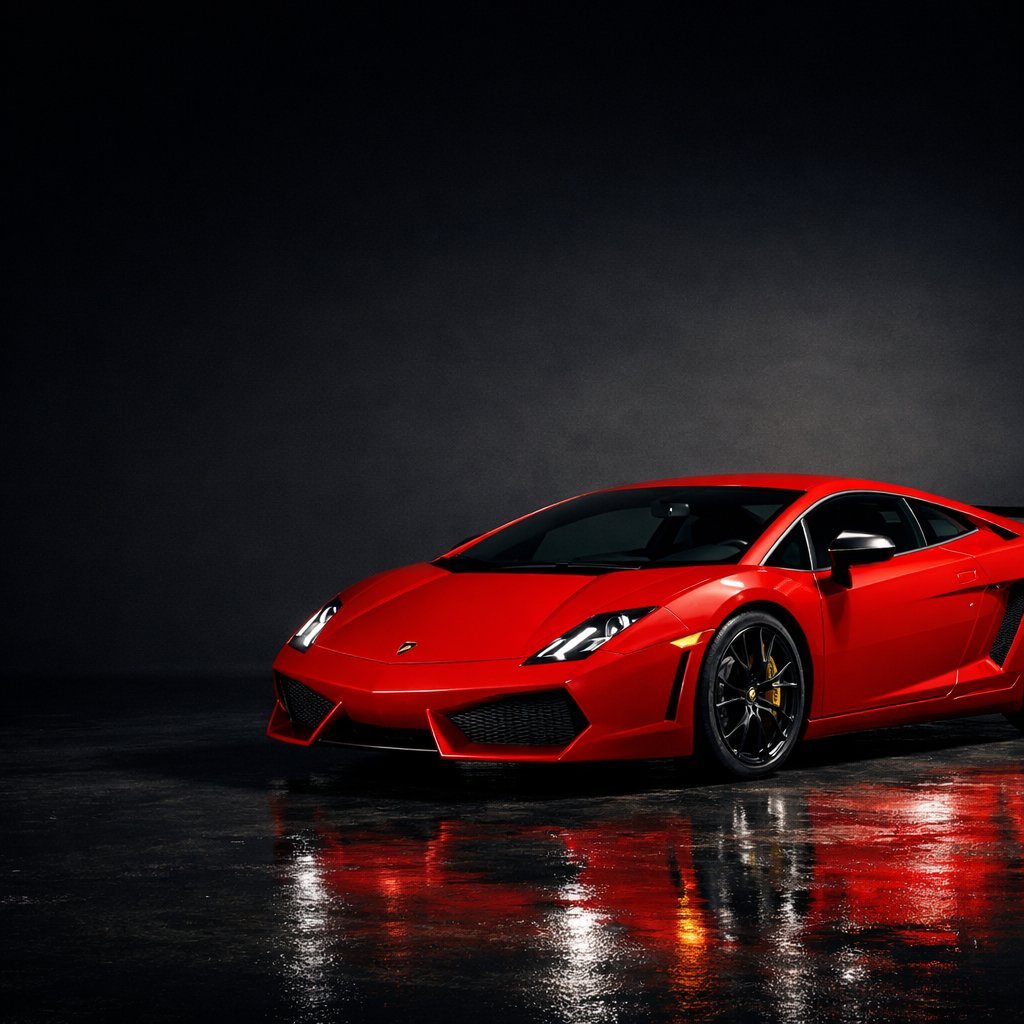
The Lamborghini Gallardo hit the market in 2003, marking a major change for the brand and the exotic car world. With over 14,000 built in a decade, it’s easily the best-selling Lamborghini ever, and it opened the door for a new group of buyers who previously couldn’t dream of a new Lambo—at least not without giving up the core supercar thrill.
Volkswagen Group’s takeover in 1998 brought much-needed German reliability to Lamborghini’s famously Italian flair. Suddenly, you could daily-drive a Gallardo or take it to the track on weekends—something you just wouldn’t risk with earlier models.
Now, the Gallardo sits in a strange spot for collectors and enthusiasts. The lamborghini gallardo price is low enough that it’s one of the cheapest Lamborghinis you can actually buy, but it still has the full badge and drama of Sant’Agata Bolognese. Early examples have finished their steepest depreciation and trade at prices that put them within reach of more buyers than ever. Does this mean the Lamborghini Gallardo is a smart investment, or is it just a cheaper ticket into the exotic car club?
The investment logic for the Gallardo is nothing like the formula for ultra-rare supercars. With 14,022 units built, rarity isn’t the main driver. Instead, you have to look at which variants are actually rare, how much people will pay for certain specs, what it costs to keep one running, and how the Gallardo changed Lamborghini’s business model for good.
Key Points
- With 14,022 units, the Gallardo is Lamborghini’s highest-volume model. That limits upside from rarity alone.
- Early base models are far below their original sticker price. Special editions like the lamborghini gallardo superleggera and Performante fetch big premiums.
- Transmission type, color, and year can make a huge difference in value—sometimes shockingly so.
Is the Gallardo Actually an Investment Opportunity?
The Gallardo was Lamborghini’s first real mass-market model, with more than 14,000 made from 2003 to 2013. Most base models haven’t shown much appreciation, but certain variants have done better, though the investment story is muddied by high production numbers and ongoing depreciation for less-desirable specs.
How Scarce is the Gallardo, Really?
The Gallardo is the brand’s best-seller, with about 14,022 built over ten years. That’s a massive jump from the old days when Lamborghini made a few hundred cars per model.
The base coupe with AWD is the most common. The lamborghini gallardo spyder makes up about 35% of production. Limited editions—Superleggera, Nera, Balboni, Performante—are only about 15% of the total.
So, is it rare? Not really, at least not in general. Around 11,000–12,000 are still running worldwide. The U.S. got about 4,800, Europe around 6,000, and Asia the rest. There’s always a few hundred for sale at any given time.
What’s the Current Value and Market Liquidity?
Early Gallardo coupes (2004–2008) go for $85,000–$135,000 if they’re clean and have a decent service record. Later facelifted models (2009–2013) are $120,000–$180,000, depending on miles and options.
Spyders are pricier—usually $15,000–$25,000 more than a comparable coupe. The LP 560-4 generation seems to be the sweet spot for value, with prices holding steady at $140,000–$165,000 for sub-25k-mile cars.
Special editions? The lamborghini gallardo superleggera runs $175,000–$220,000. LP 570-4 Performante coupes are $195,000–$265,000. Market liquidity is solid—most well-priced cars sell in 90–120 days.
How Has the Gallardo Performed Financially?
The 2004 base coupe had an MSRP of $165,900. Like most supercars, it lost value fast—down to $110,000 by 2009, and bottomed out at $85,000–$95,000 between 2014 and 2016.
Value Trajectory Table
| Period | Average Value | Annual Change | Cumulative Return |
|---|---|---|---|
| 2004 MSRP | $165,900 | — | 0% |
| 2009 (5 years) | $110,000 | -7.2% | -33.7% |
| 2014 (10 years) | $90,000 | -3.9% | -45.7% |
| 2026 (current) | $115,000 | +1.3% | -30.7% |
| Annualized Return | — | — | -1.7% |
The S&P 500 returned about 10.2% annually for the same 22 years—so buying a Gallardo instead of stocks was a clear financial miss. Base models are, bluntly, not investment-grade. The rarest editions do a little better (0.5% to 2.1% annualized), but they still lag well behind equities.
What Are the Main Risks?
High production is the biggest risk. With so many out there, it’s tough for prices to climb much on scarcity alone. Oversupply keeps prices soft for common specs.
Maintenance is another headache. The 5.0L and 5.2L V10s need timing chain service every 30k miles ($4,500–$6,500). E-gear clutch replacements can hit $8,000–$12,000. Annual upkeep is $5,000–$7,500 if you drive 2,000–3,000 miles a year.
The Huracán’s arrival took some shine off the Gallardo. Most younger buyers want the newer car’s sharper looks and tech. Emissions rules aren’t a huge threat yet, but urban restrictions in Europe could eventually make classic exotics harder to use.
Does the Gallardo Have Real Investment Upside?
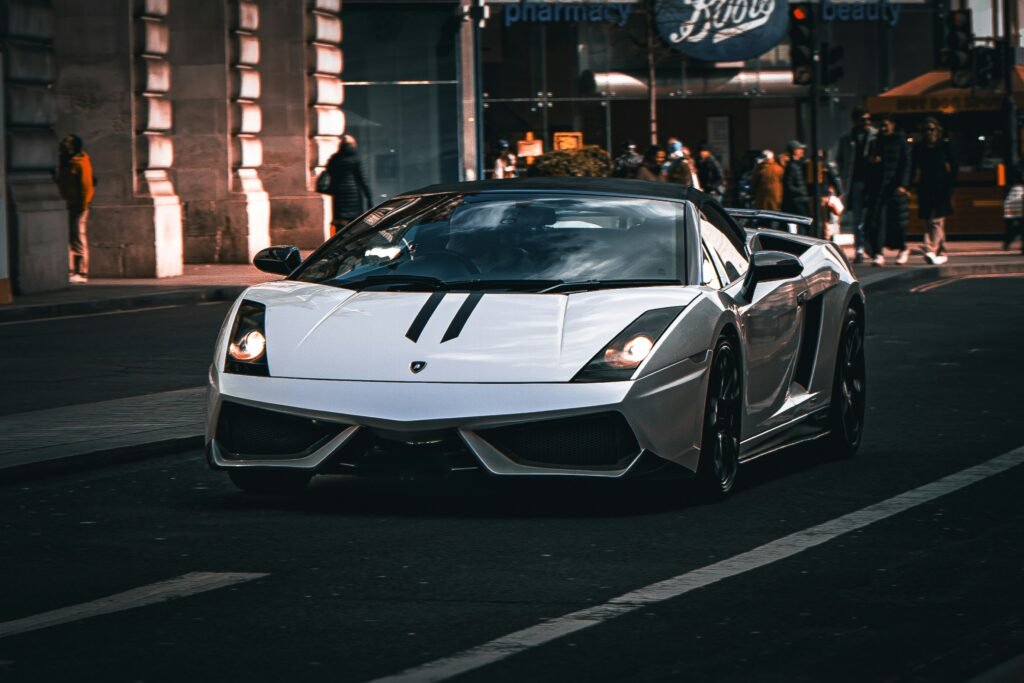
For most versions, the Gallardo is still a depreciating luxury toy, not a collectible that’s gaining value. Early cars keep losing ground as they age and rack up maintenance bills that can rival their annual value loss.
But there’s a case for certain specs. Manual Balboni editions, low-mileage Superleggera coupes, and final-year Performantes are holding up best. These make up maybe 8–12% of production and trade at 40–85% premiums over base models. I’d focus here if you’re thinking about long-term value.
The “affordable Lamborghini” angle is a double-edged sword. It made the Gallardo a sales hit, but it also killed the exclusivity that usually drives appreciation. At $85,000–$135,000 for entry models, it’s more of a passion buy than an investment.
Where Does the Gallardo Sit in the Market Now?
The lamborghini gallardo is the entry point for V10 Lambo ownership—cheaper than the Murciélago or Aventador, but still a true Lamborghini. Prices have actually crept up since 2020, especially for the best-kept examples.
How Does the Gallardo Compare to Rivals?
The Gallardo’s price range is $90,000–$250,000, depending on spec and condition. Early (2003–2008) cars are $90,000–$130,000. LP 560-4 variants (2008–2013) are $120,000–$170,000.
Special editions like the Superleggera and Performante are $170,000–$250,000. These limited models consistently outperform the base cars in terms of appreciation.
The Murciélago trades at $200,000–$400,000 for similar years, so the Gallardo undercuts it. The Huracán starts at $180,000 for early examples. The Audi R8—same V10, less drama—goes for $80,000–$140,000, but you lose that Lamborghini badge appeal.
What Does Recent Auction Data Show?
Bring a Trailer is the main public market for Gallardos now. Clean LP 560-4s with less than 20k miles regularly fetch $140,000–$160,000. A 2008 Superleggera with 8,400 miles sold for $227,000 in late 2024.
Manuals get a 10–15% premium over e-gear cars. For example, a 2007 manual coupe with 15,000 miles brought $138,000, while similar e-gear cars sold for $118,000–$125,000.
Hagerty lists condition #2 values for 2013 LP 560-4s at $155,000, and #1 cars at $175,000. Late models appreciated about 8% from 2022 to 2024, which is decent for the segment.
Is There Real Demand? How Liquid is the Market?
The Gallardo is way more liquid than older Lambos like the Diablo or Countach. About 15–20 cars sell each month on major platforms. Well-priced cars usually move in 60–90 days.
Buyers fall into three groups: those who want the LP 560-4 for daily usability, collectors chasing rare editions, and drivers who want early manuals and don’t mind the maintenance.
It helps that the Gallardo is the last naturally aspirated V10 Lamborghini before the turbo era. That’s a selling point as the industry moves away from big, naturally aspirated engines.
How Do Production Numbers Affect Collectability?
Lamborghini built 14,022 Gallardos from 2003 to 2013, making it their highest-volume car until the Huracán. The numbers make it clear: some variants are genuinely scarce, but most face price pressure from oversupply. You need to be picky if you’re thinking investment, not just ownership.
Why Track Lamborghini Gallardo Production?
Production numbers for the lamborghini gallardo matter for both enthusiasts and investors. They tell us not just how rare a given example might be, but also help frame value and collectability over time. I’ve spent years watching these numbers and, honestly, they’re more revealing than most people realize.
How Did Production Evolve Year by Year?
The Gallardo’s output ramped up quickly after its 2003 debut. Initial production stood at 933 coupes in 2003.
By 2004, that number expanded to 1,294 coupes as Lamborghini’s global dealer network got up to speed. The gallardo spyder didn’t join the lineup until later, so early years are coupe-only.
Peak production hit in 2008, reaching 1,787 units—split between 1,206 coupes and 581 Spyders. That’s the high-water mark, and it’s not likely to be repeated given how the market has changed since.
The 2009 financial crisis hit hard. Output dropped to just 922 units across both body styles. Through 2010, production was 1,064 combined before Lamborghini shifted focus to the LP variants.
| Year | Coupes | Spyders | Total |
|---|---|---|---|
| 2003 | 933 | 0 | 933 |
| 2004 | 1,294 | 0 | 1,294 |
| 2005 | 947 | 25 | 972 |
| 2006 | 626 | 1,025 | 1,651 |
| 2007 | 936 | 1,015 | 1,951 |
| 2008 | 1,206 | 581 | 1,787 |
| 2009 | 462 | 460 | 922 |
| 2010 | 817 | 247 | 1,064 |
Which Gallardo Variants Are Actually Rare?
Most lamborghini gallardo production focused on the standard coupe and spyder, but limited editions are where scarcity really shows up. The LP 550-2 Valentino Balboni was capped at 250 units, all rear-wheel drive, honoring the legendary test driver.
Another 250 units went to the LP 550-2 Bicolore in 2011. The LP 570-4 Super Trofeo Stradale hit just 150 units in 2012. The 2006 Gallardo SE reached 250 units, while the Nera variant saw only 185 built in 2007.
The 2008 Superleggera sent 172 units to the US, with Orange (46) and Yellow (45) being surprisingly dominant over White (10). After 2008, the LP 560-4 and LP 560-4 Spyder took over as the main production focus. Final limited runs included the LP 570-4 Spyder Performante and Squadra Corse.
How Many Survive and Where Are They?
Surviving population is tough to pin down. Total losses from accidents, export, and collection hoarding are real factors. Early coupes seem to vanish the fastest—track use and crashes take their toll.
Spyders hold up better, maybe because they’re more likely to be weekend cars. Limited editions like the Valentino Balboni and Super Trofeo Stradale are mostly in collector hands now. Of the 14,022 total produced, North America and Western Europe have the densest populations, but Middle Eastern markets have absorbed a lot of cars that rarely reappear at Western auctions.
Has the Lamborghini Gallardo Appreciated?
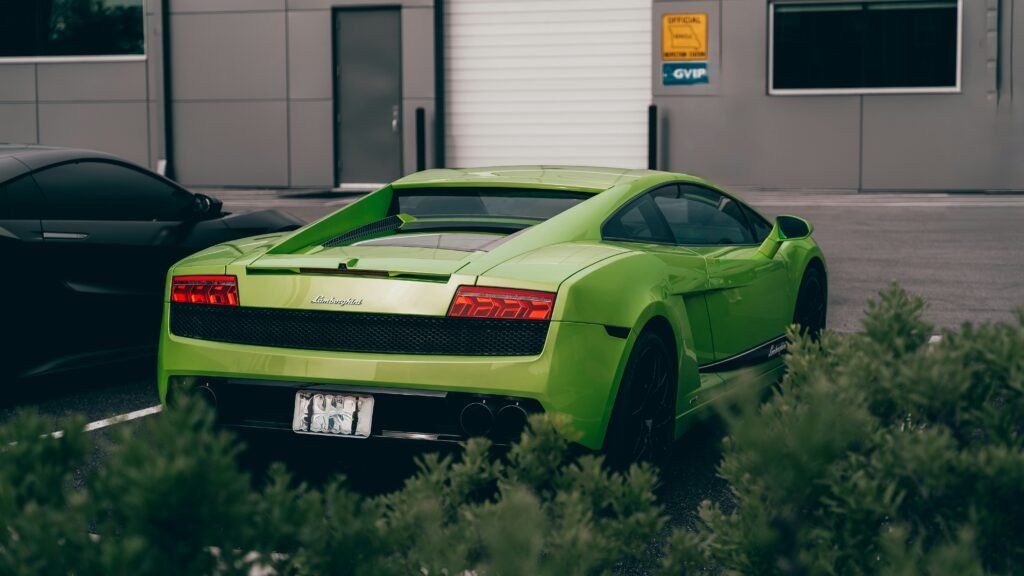
The lamborghini gallardo followed the expected supercar depreciation curve: steep early losses, then stabilization, and lately, a bit of appreciation. Honestly, if you bought new, it hurt. If you bought used in the last five years, you’ve probably done okay.
What’s the Price History Since Launch?
The 2003 launch MSRP was about $165,000 for the base coupe. By the time production ended, early models (2004–2006) were trading for $90,000–$100,000 in 2013.
Depreciation slowed between 2015 and 2020. Clean early gallardos settled at $80,000–$95,000. Later 5.2L cars with low miles held stronger, $110,000–$140,000.
Recent auction data shows a record sale at £196,565 (July 2023), while the lowest was £28,000 (October 2024). The current average for the best-selling Lamborghini is around £75,505 based on 151 auction sales.
How Does the Gallardo Stack Up Against the S&P 500?
If you bought at MSRP and held to 2026, you’re still down. A $165,000 investment in 2003 is now worth $75,000–$95,000—a 50–60% drop over 23 years.
The S&P 500 returned about 10% annually over the same window. That $165,000 would be roughly $1.2 million now. Even with the driving experience, the gallardo underperformed equities for early buyers.
Recent buyers who got in at $80,000–$90,000 between 2018–2020 have seen flat to 2–5% annual appreciation. Still below the S&P, but at least it’s not a money pit anymore.
What’s the Value Floor?
The value floor for the lambo gallardo seems to have landed around 2018–2020. Cars under $75,000 usually have high miles, accident history, or deferred maintenance.
Well-maintained, sub-30,000 mile examples now trade in a tight $85,000–$120,000 band. This range reflects the market’s comfort with known service costs and reliability issues.
There’s still risk. Parts prices are rising as the platform ages, and emissions rules in some markets could hit values down the line.
What Drives Gallardo Value?
The lamborghini gallardo’s appeal is partly its status as Lamborghini’s “volume” car, but also the details: manual transmissions, limited editions, and even paint color can swing prices by 20% or more. I’ve always thought the market undervalues the manual cars, but that’s changing.
Which Features Matter Most?
The gallardo was Lamborghini’s entry-level supercar from 2003 to 2013, introducing the naturally aspirated V10. That engine’s a big deal for buyers, as it’s the last of its kind before turbo and hybrid tech took over.
Audi’s ownership improved reliability and build quality, making the Gallardo more usable. It became the brand’s best-seller with over 14,000 units made. Limited editions like the Gallardo Superleggera, Valentino Balboni, and Nera command 15–40% premiums over standard models.
Manual vs E-Gear: What’s the Market Saying?
Manual transmission cars are rare—about 10% of all production—and command a 15–25% premium today. Enthusiasts want them, and I don’t see that changing.
E-gear cars shift faster but cost more to maintain, with clutch jobs running $3,000–$5,000. Manuals are cheaper to keep on the road and have fewer issues long-term.
Later 5.2L V10s (552–562 hp) get a 5–8% price bump over the 5.0L models. If you want the best driving experience, the bigger engine is worth seeking out.
Do Colors and Options Really Matter?
Paint color has a real impact. Rosso Mars, Arancio Borealis, and Verde Ithaca fetch 10–15% more than black or silver. Custom Ad Personam colors add value if properly documented.
Standard colors like Nero and Grigio are steady but less collectible. White and yellow sit in the middle, with 3–5% premiums. Options like carbon fiber interiors, sport seats, and factory nav systems matter more on higher trims. Base cars without these features can be 8–12% cheaper.
Does Market Origin Affect Value?
US-market cars with clean histories are the easiest to sell and service. Documentation is better, and dealer support is strong.
European-spec gallardos might offer small performance tweaks, but US buyers avoid grey-market imports due to registration headaches and weaker parts support, leading to 10–15% lower values.
Production under Audi means parts are easier to source than older Lambos, but North American buyers still prefer domestic-market examples for resale.
How Does the Gallardo Compare to Alternatives?
In the $90,000–$170,000 range, there are other options—some with fewer maintenance headaches. The gallardo’s complexity and parts costs are real risks, but if you want a V10 Lamborghini, there’s nothing else quite like it at this price point.
Comparable Asset Overview
The Gallardo’s market position puts it up against three main rivals. The Audi R8, which actually shares the Gallardo’s aluminum space frame and V10 engine, trades at $85,000 to $140,000 for similar years.
The R8 has better parts availability through Audi’s network, but honestly, it just doesn’t have the Lamborghini badge premium. The Ferrari F430, on the other hand, comes in between $120,000 and $180,000. It’s got a stronger brand but you’ll pay more for service—its flat-plane crank V8 needs major attention more often than the Gallardo’s V10.
Porsche’s 997-generation 911 Turbo sits in the $80,000 to $130,000 range. It matches performance but, in my view, can’t match the exotic feel that helps the best-selling Lamborghini models appreciate.
| Vehicle | Price Range | Production Total | 5-Year Appreciation | Parts Availability |
|---|---|---|---|---|
| Gallardo LP 560-4 | $120,000–$170,000 | 14,022 units | 18–22% | Moderate |
| Audi R8 V10 | $85,000–$140,000 | ~30,000 units | 12–16% | Excellent |
| Ferrari F430 | $120,000–$180,000 | 16,750 units | 15–20% | Good |
| Porsche 911 Turbo (997) | $80,000–$130,000 | ~20,000 units | 8–12% | Excellent |
What are the biggest risk factors for the Lamborghini Gallardo?
The e-gear transmission system stands out as the main mechanical risk. Clutch replacement costs run $5,000 to $7,000. If you need a full transmission rebuild, that can hit $10,000. Early models have more issues than the later LP 560-4 cars.
Carbon-ceramic brakes are great for performance, but replacing them costs over $15,000 for a full set. Standard Brembo brakes are a bit more reasonable at $3,000 to $5,000, though you’ll be servicing them more often.
The ongoing production of the Huracán does dilute some of the Gallardo’s collector appeal. Standard coupes, especially, feel the impact more than special editions. If you want the “last of” premium, you’ll have to look elsewhere.
Manual transmission cars use Graziano components, which have limited aftermarket support. Only a handful of shops have the expertise, and they’re mostly in big cities. Labor rates aren’t cheap.
Is the Gallardo a good investment right now?
In my view, the Gallardo sits at a sweet spot. It’s modern enough to drive, but old enough to feel analog and special.
Maintenance costs are real, but not outrageous for the segment. As regulatory risks grow, I’d watch your local laws, but in the US and many global markets, these cars still have room to appreciate—especially rare specs like the 2007 lamborghini gallardo superleggera.
What actionable steps should investors take?
If you’re considering a Gallardo, focus on documented service history and clutch replacement records. Avoid cars with spotty maintenance or unclear histories.
Check your region’s emissions rules. In some places, you might face usage restrictions or extra costs down the line.
Consider the Gallardo as both a passion asset and a financial play. If you buy well and keep it sorted, you could enjoy the drive and see solid appreciation over the next decade.
Final Words
The Lamborghini Gallardo marked a turning point for the brand, introducing a more usable, reliable, and widely produced Lamborghini without losing the drama that defines the marque. Its combination of a naturally aspirated V10, timeless design, and strong cultural relevance makes it a standout among modern-era supercars. As prices stabilise and clean, well-documented examples become harder to find, the Gallardo is increasingly viewed not just as an entry point into Lamborghini ownership, but as a legitimate modern classic with long-term enthusiast appeal. This content is provided for informational and educational purposes only and does not constitute financial, investment, or legal advice.
FAQs
How much does it actually cost to own and maintain a Gallardo?
Annual routine maintenance is $1,500 to $3,000. At 30,000 miles, major services (timing chain inspection, valve adjustment) add $5,000 to $8,000.
Insurance for a clean-record driver averages $3,000 to $5,000 per year for agreed-value coverage. If you’re in a city, climate-controlled storage adds $100 to $300 monthly.
OZ Racing wheels, which come on many variants, cost $800 to $1,200 each to replace. A set of performance tires will run $1,500 to $2,500 and last about 8,000 to 12,000 miles if you drive hard.
The aluminum space frame makes accident repairs a nightmare. Even minor front-end damage can total the car, since structural repairs can exceed $40,000. If you’re thinking of skipping comprehensive coverage, don’t.
What are the current valuation trends for the Lamborghini Gallardo?
The Gallardo market’s been steadily appreciating, especially for cars with solid documentation and the right specs. Clean manual transmission coupes from 2008-2013 fetch premiums over e-gear models.
Base model Gallardos in good shape go for $95,000 to $135,000. LP560-4 variants run $145,000 to $185,000 for low-mileage examples.
Special editions like the Superleggera can hit $175,000 to $250,000. If it’s a manual, add 15–25% to those numbers.
Recent auction results make it clear: full service history from authorized dealers really matters. Those cars always bring higher hammer prices.
How many Lamborghini Gallardos were made and how scarce are they now?
Lamborghini built 14,022 Gallardos from 2003 to 2013. At the time, it was their best-selling model by far.
The production run lasted a decade with several variants. Early cars had 5.0-liter engines with 500 hp; later ones got 5.2-liter upgrades.
Manual transmission cars make up about 15% of all Gallardos. That scarcity is a big reason for their current price premiums.
Despite the big production numbers, the real market supply is tighter. An estimated 30–40% have been wrecked, heavily modified, or just disappeared. Maybe 8,000–9,000 are still in collectible shape.
What’s actually driving Gallardo appreciation?
The Gallardo was the first “everyday” Lamborghini, thanks to Audi. It’s just built better and is more reliable than anything they made before.
Manual transmission scarcity is the biggest factor. As automatics took over, three-pedal cars became both rare and desirable.
The 2003 Geneva Motor Show debut gave the Gallardo instant recognition. Its compact, wedge design still grabs attention.
Final-year models (2013) get an end-of-run premium. They’ve got all the updates and refinements from a decade of production.
How do specs and configurations affect Gallardo values?
Manual Gallardos bring 15–25% more than e-gear versions, and the gap keeps widening as more buyers want a true three-pedal experience.
Paint color matters, too. Giallo Midas (yellow), Arancio Borealis (orange), and Verde Ithaca (green) add 5–10% over black or white.
LP560-4 and LP570-4 Superleggera models are the top of the heap. They’ve got better performance, sharper handling, and just look more special.
Spyders (convertibles) usually trade at a slight discount to coupes. Most collectors prefer the coupe for its rigidity and pure driving feel.
How does the Gallardo stack up as an investment against rivals?
The Ferrari F430 is its closest rival, with similar years and market position. F430s trade at $120,000 to $180,000 and offer similar appreciation, but the Ferrari badge arguably has more cachet.
Audi R8 first-gens are cheaper, at $75,000 to $125,000. They give you much of the Gallardo experience at a lower price, but without the same “Lambo” magic.
Porsche 911 GT3 (997) is another angle. GT3s run $125,000 to $185,000, have serious track pedigree, and are less expensive to own.
The Gallardo sits right in the middle: more exotic than an R8, less of a status symbol than a Ferrari. Its 14,000+ production means solid parts support, but it’s still rare enough to turn heads—and values are holding up.
What are the key risk factors to consider before investing in a Lamborghini Gallardo?
E-gear clutch replacements are the biggest mechanical expense for the lamborghini gallardo. Expect to pay $4,000–$6,000 just for the parts, and installation bumps that higher.
Typical replacement intervals run 10,000–15,000 miles, but it really depends on how you drive. If you’re hard on the car, you’ll be replacing clutches more often.
The lambo gallardo was replaced by the Huracan in 2014. That initially put some pressure on values, but lately, Gallardos are holding steady as they gain classic status.
Parts availability is mixed. Stuff like filters and brake pads is easy to get from dealers or specialty shops.
But if you need a rare body panel or a unique interior trim piece, be prepared for longer waits and higher prices. Sometimes, it’s a real headache sourcing those specialty components.
There’s another risk: European emissions rules keep tightening. Cities like London and Paris have low-emission zones, and older exotics like the 2007 lamborghini gallardo or lamborghini gallardo spyder can be restricted.
That trend could limit where you can actually drive your car, especially if you’re in a major European city. It’s something investors shouldn’t ignore.
How do Gallardo maintenance costs compare to other exotics?
Gallardo maintenance isn’t cheap, but it’s not the worst in its class. Annual service averages $2,000–$3,500, depending on how picky you are and how many miles you drive.
Major repairs, like the E-gear clutch or suspension work, can spike costs in certain years. But compared to a Ferrari F430, the 2007 lamborghini gallardo is a bit more reliable and predictable.
What’s the current market price for a Lamborghini Gallardo?
Prices for a lamborghini gallardo vary by year, mileage, and spec. As of Q2 2024, here’s a quick breakdown:
| Model Year | Body Style | Average Price (USD) |
|---|---|---|
| 2007 | Gallardo Coupe | $90,000–$110,000 |
| 2007 | Gallardo Spyder | $100,000–$125,000 |
| 2007 | Gallardo Superleggera | $150,000–$185,000 |
Superleggera models command a premium, and low-mileage examples always fetch more. The lamborghini gallardo price has been pretty stable, with some upward movement for pristine cars.