Ever wonder why some limited edition cars seem to fetch jaw-dropping prices years later, while others quietly fade into obscurity? The secret sauce might just be the color—sometimes, it’s worth thousands more than you’d expect.
Car color can swing a limited edition’s resale value by $5,000 or more in just three years. That’s not pocket change, and the gap only widens with the right—or wrong—paint combo. While most folks obsess over mileage and condition, it’s wild how unusual shades like yellow and orange outshine the usual suspects.
For limited edition vehicles, factory-exclusive color combinations can pump resale prices up by 15-30% over standard paint. Especially when those colors were only offered for a blink-and-you-miss-it production run.
The color-value relationship gets tricky with special editions. Sure, black and white attract more buyers, but let’s be real—they’re everywhere. Rare, factory-exclusive colors? That’s where collectors start circling, but not every wild shade turns into gold.
Color’s impact on depreciation isn’t set in stone either. It shifts with trends, tastes, and even where you live.
Want to know which color combos actually boost value? You’ve got to dig into the data, consider buyer psychology, and look at real-world stories. Sometimes a paint scheme becomes legendary—sometimes it’s a flop. The difference? Usually authenticity, rarity, and how well the color fits the brand’s vibe.
The Direct Impact of Car Color on Resale Value
Color doesn’t just change the mood—it changes the math. Yellow cars, for instance, depreciate about 24% over three years, while the average car loses 31%. That’s a pretty big deal if you’re counting pennies (or thousands).
How Rare and Common Car Colors Change Value
Walk through any parking lot and you’ll see a sea of white, black, and silver. They’re safe bets, but this flood of common colors creates a resale headache. When you’re selling a black car, you’re just one in a crowd—and prices sag.
It’s almost ironic. Black feels classic, but when everyone’s got one, the “special” factor vanishes. Buyers have all the options, so why pay more?
Rare colors play by different rules. Yellow cars pop in listings and draw in buyers ready to pay extra. Orange and green? Same story. Fewer cars in those colors mean less competition and higher prices.
Scarcity rules here. If you’re hunting for a unique color, you’re stuck with a short list—and sellers know it. That bright yellow coupe? It won’t sit long, not with collectors on the prowl.
Depreciation Rates of Specific Car Colors
Color choices can swing depreciation by 12 percentage points or more from best to worst. Green, believe it or not, often outperforms most shades.
Top Performing Colors:
- Yellow: 24% depreciation
- Orange: Holds value well
- Green: Often the surprise winner
Weak Performing Colors:
- Beige and gold: Buyers just aren’t excited
- Brown: Tough sell
- Custom colors: Can drop over 40% in three years
Custom-painted cars often lose an extra $2,000 to $5,000 compared to factory finishes. Buyers get nervous about hidden damage or shoddy work when they see non-original paint.
White, black, and silver? They’re the steady Eddies. Not topping the charts, but always in demand with a broad crowd.
Why Limited Edition Cars Amplify These Effects
Limited editions turn up the volume on color impact. When a car’s already rare, a unique color makes it doubly scarce. Collectors go wild for that combo.
Factory-exclusive colors on short runs? That’s the holy grail. When a brand drops a special paint just for one model year, watch the resale value soar.
Think Ferrari’s Rosso Corsa or McLaren’s Papaya Orange. Those colors scream authenticity and exclusivity. The paint isn’t just a detail—it’s part of the legend.
Regular cars in odd colors struggle to find buyers. But on a limited edition? Suddenly, purple or lime green is a bragging right, not a liability. If there are only 500 out there, collectors line up.
Original factory paint matters more than you’d think. Collectors check paint codes and production records. A repaint can tank the value instantly.
Top and Bottom Performing Colors for Limited Edition Cars
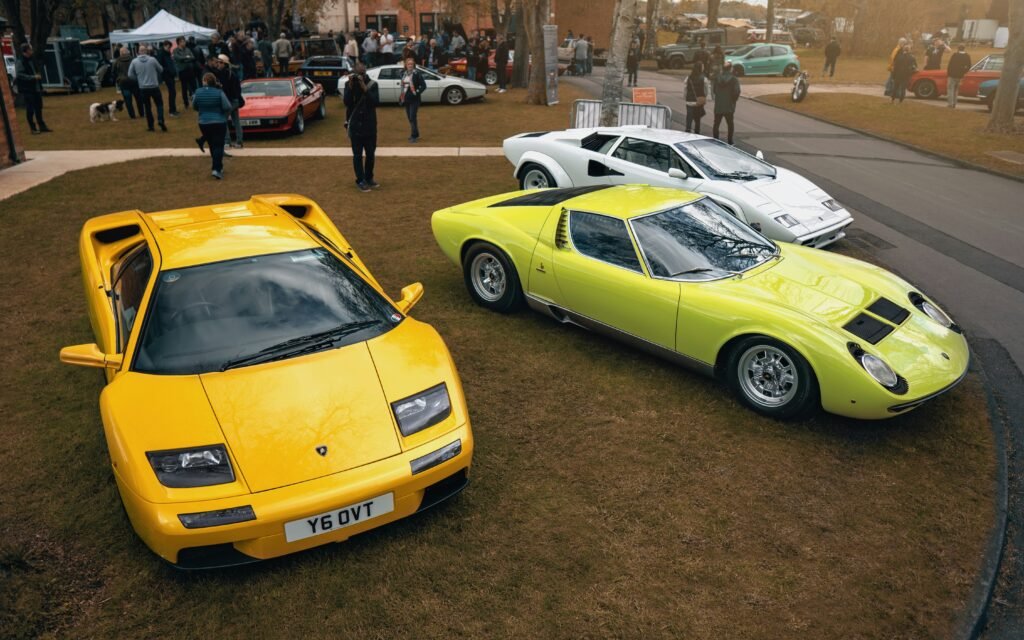
Research keeps showing it: Color choice can mean thousands of dollars gained or lost. Yellow, orange, and green almost always beat out the usual shades. Meanwhile, black and white—despite their popularity—face brutal competition and slip in value.
Yellow, Orange, and Green: The Resale Power of Unique Colors
According to a study of over 1.2 million used-car listings, yellow cars depreciate about 24.0% over three years — significantly less than the average vehicle at 31.0%, translating into thousands more in retained value.
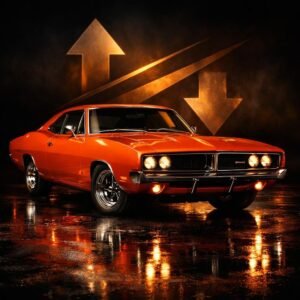
Orange follows closely. Its rarity makes it catnip for collectors, especially on limited editions where the paint is basically a badge of honor.
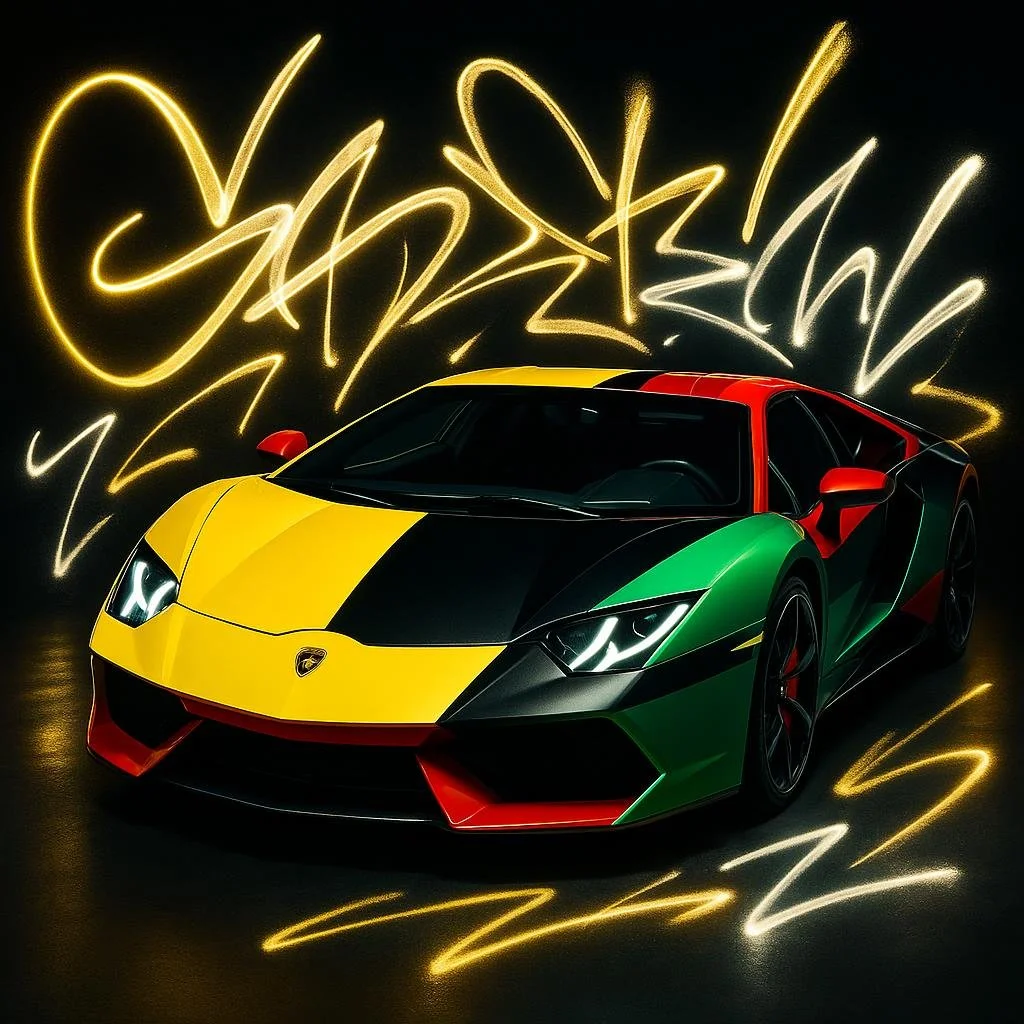
Green surprises people. It’s not everyone’s first pick, but it holds up across multiple segments. Low supply plus a dash of individuality equals higher prices. Factory-exclusive greens and oranges can fetch wild premiums, especially when they’re tied to a brand’s heritage.
There’s a psychological twist, too. Buyers see yellow and think “performance.” Orange feels bold and rare. Green stands out—without being over the top.
Black, White, and Common Hues: The Pitfalls of Market Saturation
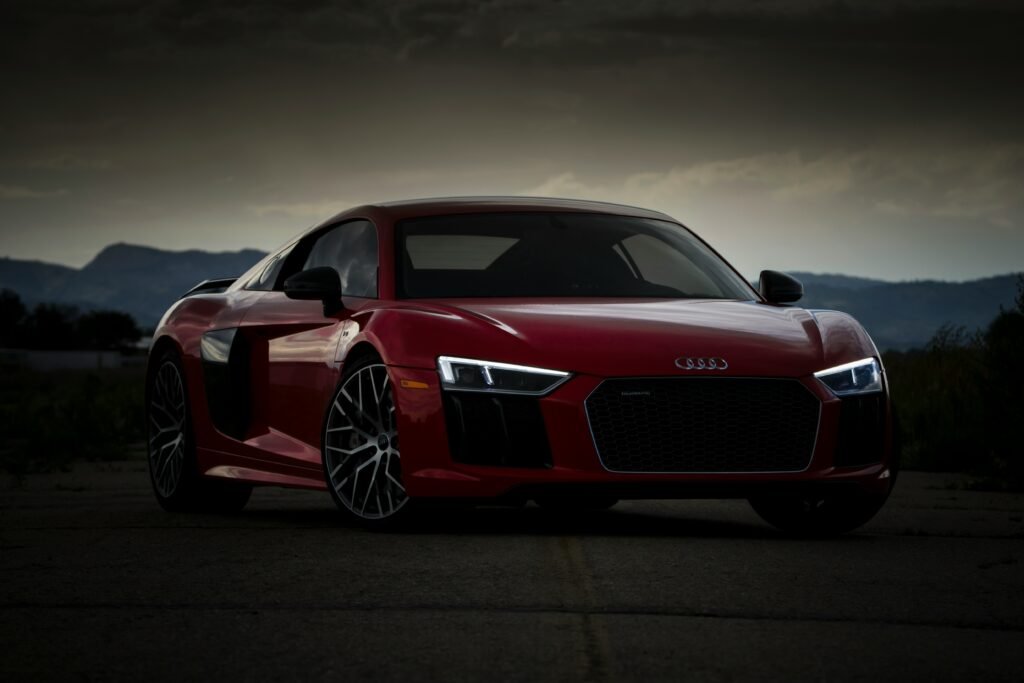
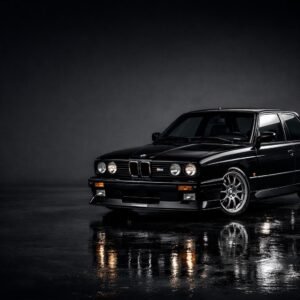
Black cars are everywhere, and that’s a problem. The used market gets crowded fast, and limited editions just can’t stand out. Even with a special badge, a black car blends in with the fleet.
White faces the same issue. It’s popular, but it’s not exclusive. A white limited edition competes with thousands of standard models. Hard to justify a premium when the paint isn’t special.
Silver? It’s the world’s default. That oversupply drags down prices, and for limited editions, it means missing out on the “wow” factor. Unique paint is supposed to be the hook—but neutral colors just don’t deliver.
Market saturation effects include:
- More competition from similar cars
- Limited editions seem less rare
- Lower resale premiums compared to unique colors
- Harder to get noticed at resale time
It’s a paradox, really. These colors are safe bets for daily drivers, but for limited editions, they can kill the magic. Factory-exclusive shades almost always win out in the long run.
Segment-by-Segment Comparison: Trucks, SUVs, Sedans, and More
Not all vehicles play by the same rules. Trucks in beige? Believe it or not, they’ve seen appreciation—but that’s more about limited supply than color love.
Sports cars thrive on bold colors. Yellow, orange, and electric blue can add 8-15% to resale value in high-performance segments. These shades echo racing heritage, and buyers eat it up.
SUVs? Earth tones and greens win, especially for off-road models. Black and white stay competitive, mostly because families want practical, no-nonsense options.
Luxury sedans are a mixed bag. Old-school buyers still lean silver or black, but unique blues and greens on limited editions are catching collector eyes. People want to stand out from the corporate crowd.
Performance by segment:
| Vehicle Type | Top Performers | Weak Performers |
|---|---|---|
| Sports Cars | Yellow, Orange, Racing Colors | Black, White |
| Trucks | Beige (limited runs), Green | Gold, Brown |
| SUVs | Earth Tones, Green | Purple, Pink |
| Luxury Sedans | Unique Blues, Special Greens | Beige, Common Metallics |
The big takeaway? Matching color to the car’s purpose beats chasing rarity for rarity’s sake.
Market Trends, Buyer Perceptions, and Psychological Factors
Color isn’t just a personal choice—it’s a market mover, especially for limited editions. Buyer psychology, shifting trends, and even local tastes all play a role in which shades command top dollar and which fade fast.
The Psychology Behind Color Choices and Their Value Implications
Color psychology shapes how we see cars—and their value. Neutral tones like black, white, and gray appeal to the masses, so they usually retain 5-10% more value than wild colors. It’s simple: more buyers means more competition when you sell.
But unique colors on limited editions? That’s a double-edged sword. Rare shades get collectors excited, but they narrow your buyer pool. A blazing orange or electric blue might be one person’s dream and another’s dealbreaker.
There’s an exception, though. When a color becomes part of a car’s legend—like a factory-exclusive shade on a special run—it can hold value for years. Enthusiast communities chase these cars, and resale prices reflect that passion.
Trends Shaping Limited Edition Car Appeal
Ever wondered why some limited edition cars skyrocket in value while others just… don’t? Turns out, the secret might be hiding in plain sight—right in the paintwork.
Automotive color preferences shift dramatically over time, shaping what buyers crave in the resale market. From 2010 to 2023, we saw a big move away from the once-ubiquitous silver and gray, with blues and greens stepping confidently into the spotlight.
Buyers these days seem obsessed with distinctiveness in limited edition models. It’s funny—colors that tank resale value on regular cars can actually make rare models more desirable, as long as the color matches the car’s exclusive vibe.
Performance-focused limited editions thrive when they show off bold car color options. Racing reds, punchy yellows, and wild oranges just scream “enthusiast,” and collectors will line up to pay a premium for them.
Market stats back this up: limited edition vehicles in on-trend colors sell much faster than those in yesterday’s shades. For example, a 2020 limited edition painted in a hot, current color will outperform a 2018 model stuck with an outdated hue—sometimes by thousands of dollars.
Regional and Demographic Influences on Color Popularity
Geography really shakes up which colors hold value best. Sunny places love lighter shades that bounce off the heat, while areas with rough winters lean toward darker tones that hide grime and salt.
Age groups get picky too. Younger buyers chase after bolder colors like green and yellow, while older drivers stick with classic navy and silver—maybe out of habit, maybe just for that timeless feel.
Cultural quirks make a difference. A color that flies off the lot in Tokyo might collect dust in Texas, so location definitely matters when you’re eyeing that limited edition’s resale value.
Collectors? They’re wildcards. They chase rarity above all, but regular buyers still follow local color trends, and that creates some wild price swings for the exact same model in different places.
Fianl Words
Limited edition car colors have a clear, measurable impact on resale value, and the data is definitive: factory-exclusive, rare colors outperform common shades every time. Bold hues like yellow, orange, and green consistently retain the most value, while saturated neutrals struggle. Choosing a rare, authentic factory color is the smartest resale decision.
Thanks for reading! If you enjoyed this deep dive, be sure to subscribe to my email list for exclusive car reviews, insider tips, and weekly special offers on car parts, auctions, and gear — perfect for any car enthusiast.
And don’t forget to read related posts for more great content!