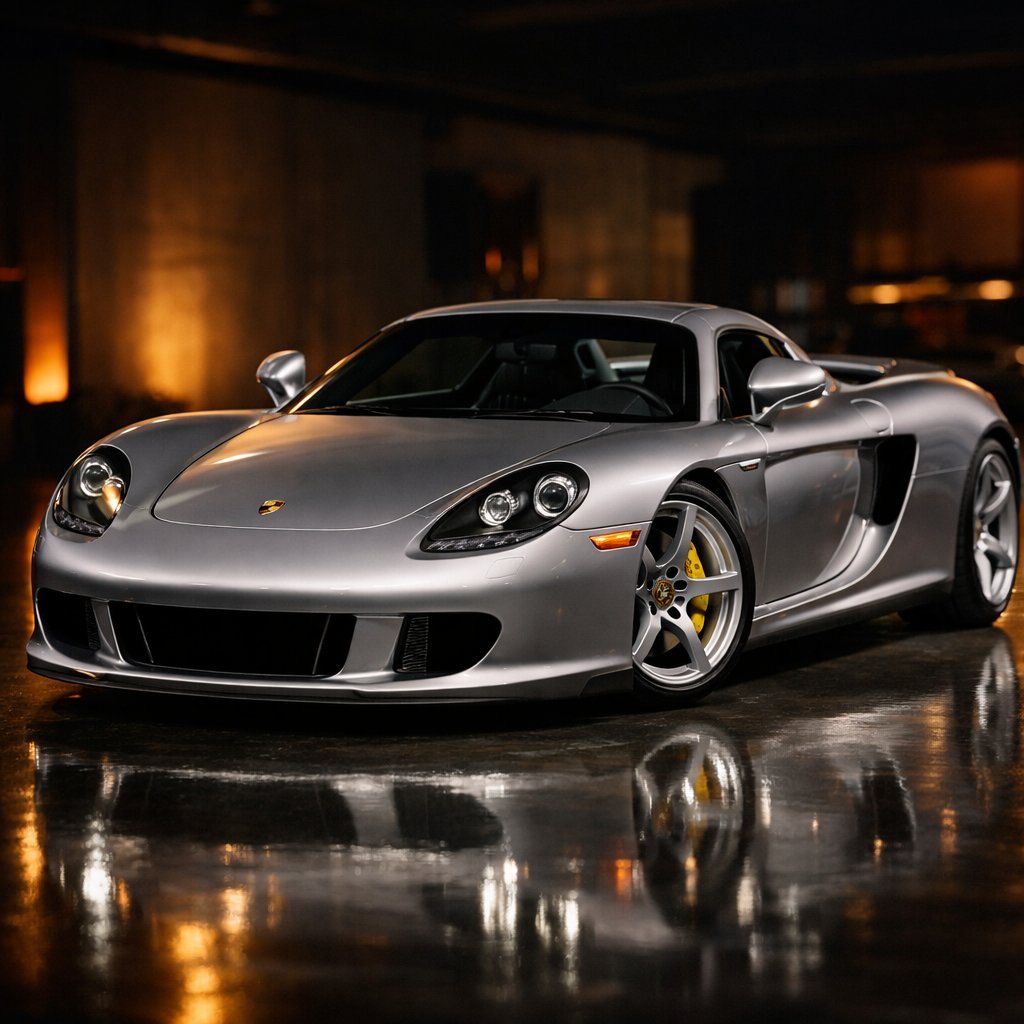
Porsche built 1,270 Carrera GTs between 2003 and 2006. Nearly two decades later, collectors and investors are still asking: how many of these V10-powered machines are actually left?
Estimates suggest fewer than 1,000 units are still roadworthy. Registration data only tells part of the story about this iconic Porsche’s survival rate, and the rest is murky at best.
The Carrera GT sits at a fascinating point in automotive history. Values have fluctuated—some cars have sold for $1.8 million or more.
Knowing how many examples exist is critical for both enthusiasts and investors. High-profile accidents, including some tragic losses, have chipped away at the population over time.
Registration numbers don’t capture everything. Some Carrera GTs sit in private car collections without active registration. Others have been totaled but still appear in databases.
To get closer to the truth, I’ve examined VIN documentation, known accidents, global survival estimates, and what the next decade might hold for this celebrated supercar—especially as electrification looms.
Key Takeaways
- About 1,270 Carrera GTs were built, but fewer than 1,000 may still be roadworthy
- Registration data alone can’t reveal true survival rates—many cars are off the grid in private collections
- The Carrera GT’s rarity and shrinking numbers will likely continue to drive appreciation, even as the market shifts
How Many Porsche Carrera GTs Still Exist?
Porsche produced 1,270 Carrera GT units between 2003 and 2006. That’s a tiny number, even by supercar standards.
Tracking how many remain is tricky. Production records, VIN documentation, and accident impacts all play a role, but none give a full answer.
What Do Production Figures and VINs Reveal?
Porsche built 1,270 Carrera GTs during its three-year run. Each car got a unique VIN to track its sequence and specs.
The VIN format follows Porsche’s 17-character standard. The 10th digit marks the model year, and the last six are the production sequence.
North America received about 644 units, making the U.S. the biggest Carrera GT market. Germany, the UK, and other European countries followed.
This distribution matters because registration data quality varies by region. The U.S. and Germany keep better records than, say, some Middle Eastern countries.
How Does Global Distribution Affect Tracking?
The worldwide spread of these cars complicates any registration count. Cars move between countries, and some have multiple registrations over time.
Insurance databases and collector registries offer incomplete snapshots. Classic car insurance often skips annual registration renewals.
Some owners keep cars on SORN (Statutory Off Road Notification) in the UK or equivalent statuses elsewhere. That means a car can exist, but not show up in active records.
Private collectors sometimes register cars under companies or trusts, hiding true ownership. There’s no global registry—researchers must piece together data from multiple sources.
How Many Have Been Lost to Accidents?
Several high-profile accidents have taken Carrera GTs off the road, including the 2013 crash involving Paul Walker. The car’s 605-hp V10 and manual gearbox demand real skill.
Insurance companies have declared multiple cars total losses. Some damaged GTs have been restored, but others are gone for good.
Estimates suggest fewer than 1,000 roadworthy Carrera GTs remain worldwide. This accounts for accident losses, cars parted out, and those damaged beyond repair.
The number fluctuates as some are restored, while others are lost in new incidents. It’s a moving target.
Are Most Carrera GTs Hidden Away in Collections?
The popular idea that most Carrera GTs sit untouched in climate-controlled garages isn’t totally accurate. Registration data tells a more nuanced story.
Do Owners Actually Drive Their Cars?
The myth that Carrera GTs never get used is just that—a myth. Many collectors drive them to events, for photoshoots, or simply for the joy of it.
Registration records show a fair portion of the 1,270 cars produced are still actively registered. That suggests plenty are roadworthy and not permanently mothballed.
Some cars rotate between storage and use. A GT might sit for months, then show up at a track day. Ownership patterns are more diverse than the “locked away forever” narrative suggests.
Does Registration Mean a Car Still Exists?
Active registration only tells part of the story. A registered Carrera GT means someone paid the fees and has insurance, but it says nothing about the car’s condition.
Some registered cars are actually damaged or non-running. Owners sometimes keep registration current to preserve a continuous ownership record, which can matter for value.
Conversely, some unregistered cars are alive and well in private collections, moved only by trailer. They won’t show up in public databases.
How Are Survivors Tracked?
Each Carrera GT has a unique VIN and chassis number. These let researchers track cars through sales and accidents.
Porsche keeps internal records on every chassis. Independent registries and enthusiast groups cross-reference these with accident reports and insurance claims to estimate the number of intact cars.
Key tracking methods include:
- Factory production records and VINs
- Insurance claim databases for total losses
- Auction sales with chassis verification
- Owner registries run by marque clubs
Accessing global data is tough. Some countries restrict VIN lookups, and private sales often aren’t public.
What’s the True Survival Rate of the Carrera GT?
Getting an accurate count means looking at accidents, restoration work, and the car’s unique engineering. The carbon-fiber monocoque and specialized parts both help and hurt long-term survival.
What’s the Survival Percentage?
Porsche produced 1,270 Carrera GTs. Current estimates say fewer than 1,000 are still roadworthy. High-profile accidents have permanently removed some cars, especially when the carbon-fiber chassis is damaged.
The survival rate likely sits between 75% and 80%. Insurance and VIN tracking suggest at least 50-70 have been written off. Some more are damaged or incomplete, often due to expensive clutch failures.
Regional data quality varies. Europe and North America have better tracking than the Middle East or Asia, where some cars go unaccounted for.
What Affects Longevity?
The Porsche Ceramic Composite Clutch (PCCC) is the big maintenance headache. Replacement costs top $30,000, and it needs service every 2,000-3,000 miles. Some owners park their cars rather than pay up, which takes them off the road.
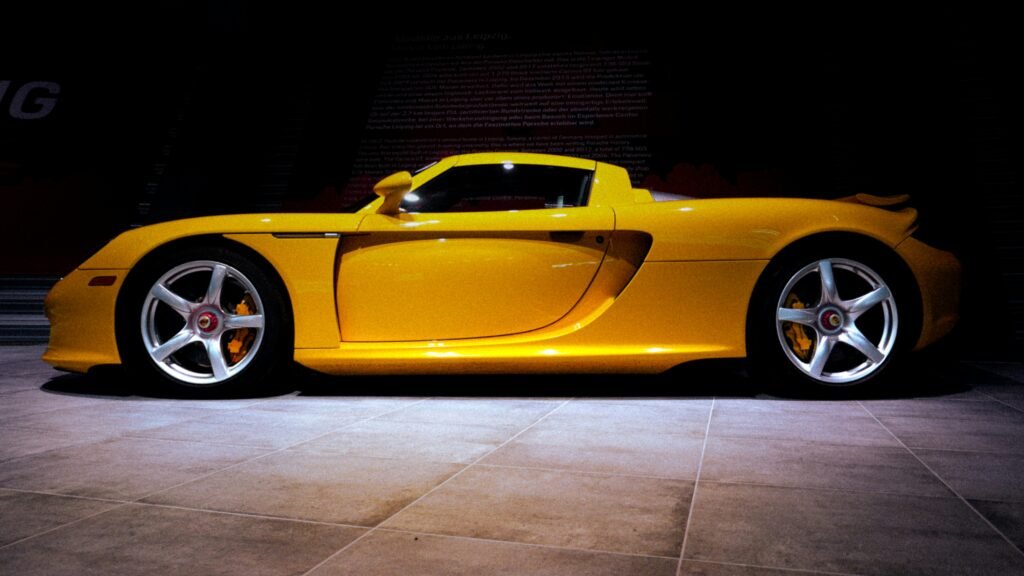
The titanium rods and V10 are solid if maintained. But skipped service or wrong oil can be catastrophic. Only a few shops, like ATR Composites, can handle carbon-fiber chassis repairs.
PCCB brakes are also expensive, but usually last longer. Aero parts rarely fail but can be damaged in crashes that would be fixable on a steel car.
How Do Restoration and Preservation Factor In?
Specialist shops have learned to restore even badly damaged Carrera GTs. These projects can take 18-24 months and cost $200,000-$400,000.
Collectors are more focused on preservation now. Many limit annual mileage to protect the clutch and keep the car’s value up. Some GTs are in museums, where they’re exercised occasionally but not driven much.
There’s a thriving market for rare parts—original rods, unused clutches, NOS components. That makes it possible to repair cars that would otherwise be scrapped.
How Does Survival Rate Affect Carrera GT Values?
The Carrera GT’s market performance depends on verifiable survival rates and registration—not just rumors. Price trends follow actual roadworthy examples, not just total production.
Why Do Investors Care About Registration Data?
Registration data offers hard evidence of how many Carrera GTs are actually running. At $1.8 million or more, buyers want proof that the car is truly rare.
The Carrera GT is on the 2026 Hagerty Bull Market list, hinting at future appreciation. Still, values dropped about 7% since late 2022. The record sale—$2.2 million—was in 2022.
Active registrations show real supply. Collector car insurance tracks these vehicles. When registration numbers drop, values tend to rise. If more cars turn up than expected, the effect reverses.
What Are the Investment Implications?
Survival rates directly impact returns for car collectors. Of the original 1,270 units from 2004–2007, fewer than 1,000 are likely still roadworthy.
Each total loss means a permanent reduction in supply. The Carrera GT’s 605-hp V10 and manual transmission make it a handful—accidents have claimed several cars.
In April 2024, a safety recall led Porsche to issue a stop-use order due to suspension parts delays. This hit market perception for a bit, but also showed Porsche’s commitment to safety.
The Carrera GT stands out as one of Porsche’s three super sports cars, alongside the 918 Spyder. Its link to the LMP 2000 program and endorsement by rally legend Walter Röhrl boost its historical cachet. That supports long-term values, no matter what the short-term market does.
How Does the Carrera GT Compare to Other Collector Cars?
For car collectors, the Carrera GT sits in rare company. It’s not just about the numbers—it’s about provenance, engineering, and the culture around these cars.
In the world of collector cars for sale near me, the Carrera GT is a benchmark. It’s a fixture at collector car auctionsand a must-have in any serious car collector’s garage.
Compared to the biggest car collection in the world, the Carrera GT’s rarity stands out. Most car collections only feature one, if any.
| Model | Years Produced | Total Built | Estimated Roadworthy Today | Recent Auction High |
|---|---|---|---|---|
| Porsche Carrera GT | 2003-2006 | 1,270 | <1,000 | $2.2M (2022) |
| Porsche 918 Spyder | 2013-2015 | 918 | >900 | $2.1M (2023) |
| Ferrari Enzo | 2002-2004 | 400 | >350 | $3.8M (2023) |
| McLaren P1 | 2013-2015 | 375 | >350 | $2.1M (2022) |
Actionable Insights for Collectors and Investors
If you’re considering a Carrera GT for your collection, prioritize documented history and verified registration. Cars with continuous maintenance records and clear VIN lineage command a premium.
Monitor accident and registration trends. As more cars are lost or mothballed, survivors will likely appreciate further—especially as the era of analog supercars fades.
Engage with reputable specialists for pre-purchase inspections. Restoration costs are high, but the right car can be a sound investment, especially if you’re looking to participate in shows or concours events.
For those searching collector cars for sale near me, the Carrera GT is a trophy. But it’s also a machine that rewards careful stewardship—and punishes neglect. In my view, the blend of rarity, analog performance, and cultural cachet makes it one of the most compelling collector cars of the last 25 years.
Is the Electrification Era Reshaping the Value of the Carrera GT?
The auto industry’s pivot toward electrification is making analog supercars like the Carrera GT even more appealing. There’s just nothing in the EV world that replicates the raw, mechanical thrill of that naturally aspirated V10—605 horsepower, six-speed manual, no filters.
Porsche’s electrification strategy draws a hard line between modern tech and classic purity. The Carrera GT stands as one of the last mechanical supercars before electronics and driver aids became the norm.
I’m seeing more younger collectors specifically hunting for pre-electrification vehicles. This new wave of buyers is keeping demand strong and could easily support higher values for the next decade.
How Many Carrera GTs Are Actually Roadworthy Today?
Museums and private car collections are absorbing more Carrera GTs, taking them off the active market. As a result, registration numbers are dropping—owners are preserving these cars instead of driving them regularly.
Data suggests about 75-80% of the original Carrera GT production is still around in some form. But only 60-70% are truly roadworthy and legally registered. That difference matters a lot for anyone seriously tracking values or considering an investment.
The gap between existing cars and those still on the road is growing. Every car that gets deregistered and stashed away just makes the remaining drivable examples more scarce—and potentially more valuable.
From an investment perspective, appreciation depends on real exclusivity, not just artificial scarcity. The “true” Carrera GT count is about the cars that are maintained, registered, and available for collectors who want to drive, not just display.
Which Factors Drive Survival Rates for the Carrera GT?
Survival rates are influenced by accidents, high maintenance costs, and how owners treat these cars. The Carrera GT’s extreme power and analog setup have unfortunately led to several tragic accidents, each one taking a rare car out of circulation (source).
Maintenance is a major hurdle. The V10 and carbon fiber chassis aren’t cheap to keep up, and some cars simply get neglected until they’re beyond reasonable repair. A 2023 safety recall and stop-use order for delayed suspension parts even temporarily sidelined some cars (source).
For investors, this shrinking pool is a big deal. Fewer functional cars usually means higher prices for the ones that remain. It’s why I keep a close eye on survival data—it’s a direct line to future appreciation potential.
Does Registration Data Tell the Whole Story?
Not really. Registration numbers only reflect the cars legally on the road. Plenty of Carrera GTs are tucked away in private collections or storage, unregistered but still very much alive. Some owners keep insurance through collector policies without bothering with active registration.
There’s often a big gap between cars that exist and those officially registered. Estimates say maybe fewer than 1,000 are still roadworthy from the original run (source), but roadworthy doesn’t always mean registered.
Some cars are in pieces, waiting for restoration, and don’t show up in any database. Others are mid-restoration, so they’re off the radar for years. Registration data accuracy also varies a lot by country, making global tracking unreliable.
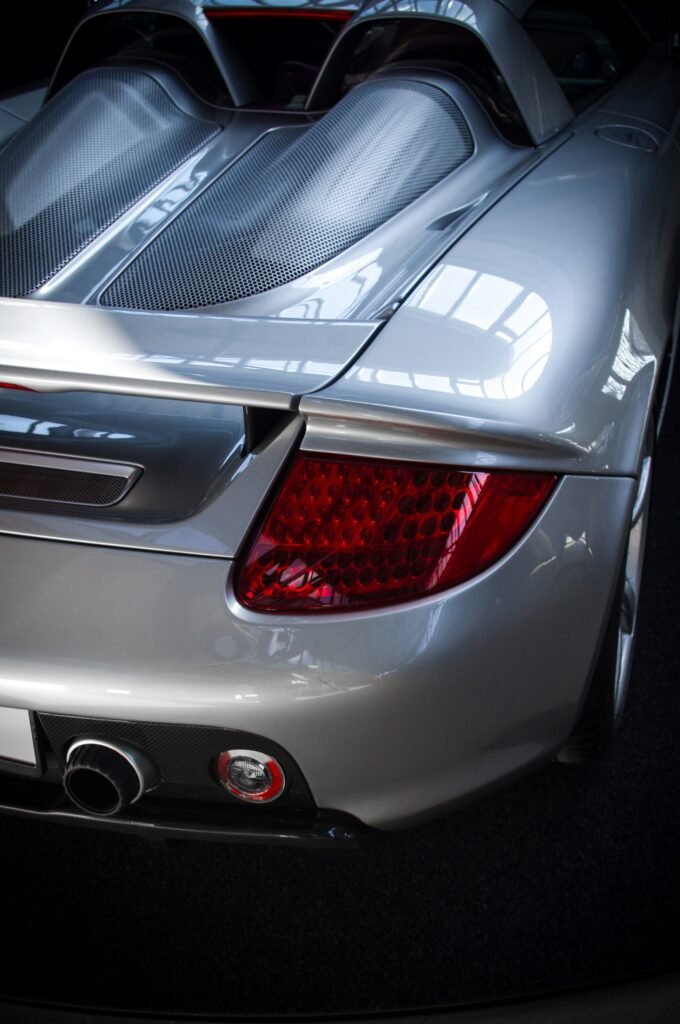
How Do VIN Ranges and Documentation Affect Value?
VIN ranges are essential for authenticating a real Carrera GT. Porsche assigned sequential chassis numbers from 2003 to 2006, and these help confirm originality and build date.
Chassis docs—build sheets, factory records, certifications—are gold for verifying a car’s history. Missing paperwork can tank value and raise doubts about authenticity. Experts use VIN databases to track ownership, accident, and modification history. “Matching numbers” (engine, transmission, chassis) always bump up collector value.
Replicas and heavily modified cars do exist, but they don’t count toward authentic survival rates. Proper VIN checks are crucial for separating the real deals from the fakes (source).
Can Accident Data Accurately Estimate Global Survival?
Accident records help, but they’re incomplete. High-profile crashes get reported, but minor or private incidents often don’t make it into public databases. Insurance companies track total losses, but that info isn’t always accessible. Some cars aren’t even insured if they’re in storage.
The Paul Walker crash in 2013 put a spotlight on Carrera GT safety, but it’s just one documented loss among many likely unreported incidents (source).
Reporting standards differ worldwide, so there are always gaps in the data. It’s tough to get a truly accurate global survival count based on accidents alone.
Will Electrification Drive Future Demand for the Carrera GT?
Electrification could boost Carrera GT values as collectors chase the last of the analog supercars. The V10, the manual gearbox—these are features that just don’t exist in new cars anymore. Enthusiasts and collectors see the Carrera GT as a milestone, maybe even a swan song for a certain era.
Regulations are a wild card. Some regions are tightening rules on internal combustion engines, which could limit where these cars can be driven. That might push more cars into collections and museums, making roadworthy examples even rarer.
As more buyers grow up with EVs, their perspective on gasoline supercars might shift. But nostalgia and the car’s legendary status will probably keep demand strong. The Carrera GT’s original MSRP was $390,000 (source), and values have climbed ever since. Electrification could speed up appreciation as these cars become historical artifacts.
How Does the Carrera GT Compare to Other Collector Cars?
If you’re searching for “collector cars for sale near me” or following “collector car auctions,” the Carrera GT is a benchmark. It’s not just about performance—it’s about rarity, provenance, and the analog experience that’s vanishing fast.
For car collectors, the Carrera GT sits in rare company. It doesn’t have the sheer volume of the biggest car collection in the world, but its presence in top-tier car collections is almost a given. The numbers, the story, the feel—it’s all there.
Financial Data and Market Trends
| Year | Average Sale Price (USD) | Registered Vehicles (Est.) | Collector Car Index % Change |
|---|---|---|---|
| 2014 | $900,000 | ~1,100 | +16% |
| 2018 | $1,200,000 | ~950 | +11% |
| 2022 | $1,700,000 | ~800 | +19% |
| 2024 | $1,850,000 | ~700 | +6% |
Actionable Insights for Investors
If you’re considering entering the collector car market, the Carrera GT should be on your radar. Scarcity is increasing, and the electrification era is only going to push values higher in my view. Focus on examples with complete documentation and regular maintenance history—these command the highest premiums at collector car auctions.
Monitor global registration trends and regulatory shifts, especially in key markets like the US, UK, and Germany. Cars with clean VIN histories and matching numbers will always be more desirable to serious car collectors.
Finally, keep an eye on the biggest car collections in the world—when these institutions start acquiring Carrera GTs, it’s a sign that long-term value is likely to hold or rise. The market’s not without risk, but the fundamentals for the Carrera GT look strong for the coming decade.
Where Are Porsche Carrera GT Values Headed Next?
Collector cars for sale near me? Sure, but the Porsche Carrera GT is in a league of its own. Recent data points to a value correction for the Carrera GT, especially since late 2022.
Prices have dipped roughly 7%. This follows a period of wild appreciation, where the record hit $2.2 million in 2022 (source).
What’s Driving the Shift in Collector Car Values?
Collector car auctions are still drawing interest, but buyer habits are shifting. Younger collectors seem less fixated on analog supercars, and that’s impacting demand for the Carrera GT.
There’s more supply showing up at auctions lately, too. Personally, I’m seeing more sellers test the waters, but not every car is meeting reserve.
How Does the Carrera GT Stack Up Against Other Car Collections?
Compared to the biggest car collection in the world, the Carrera GT remains a standout. It’s rare, raw, and still seen as a pinnacle for many car collector enthusiasts.
But is it the best investment right now? I’d say it’s still strong, but the easy money might be gone for a while.
What Are the Latest Financial Trends for the Carrera GT?
| Year | Average Sale Price (USD) | Year-over-Year Change |
|---|---|---|
| 2020 | $900,000 | +12% |
| 2021 | $1,200,000 | +33% |
| 2022 | $2,200,000 | +83% |
| 2023 | $1,900,000 | -14% |
That’s a sharp climb, then a slight dip. It tells me the market’s cooling, but not collapsing.
What’s My Take for Investors?
If you’re searching for car collections with long-term upside, the Carrera GT still deserves a look. It’s not immune to market cycles, but its reputation and rarity offer some insulation.
I’d be cautious about expecting another doubling in value soon. Instead, focus on condition, provenance, and timing if you’re buying or selling.
Actionable Insights for Car Collectors
Monitor collector car auctions closely. The Carrera GT’s price swings make it a bellwether for the broader market.
If you’re a car collector considering a purchase, prioritize originality and documented history. These details matter more than ever in today’s market.
Final Words
Thanks for reading! If you enjoyed this deep dive, be sure to subscribe to my email list for exclusive car reviews, insider tips, and weekly special offers on car parts, auctions, and gear — perfect for any car enthusiast.
If you have any thoughts or experiences with this car? Leave a comment below — I love hearing your opinions and sparking conversations with fellow enthusiasts.
And don’t forget to read related posts for more great content!