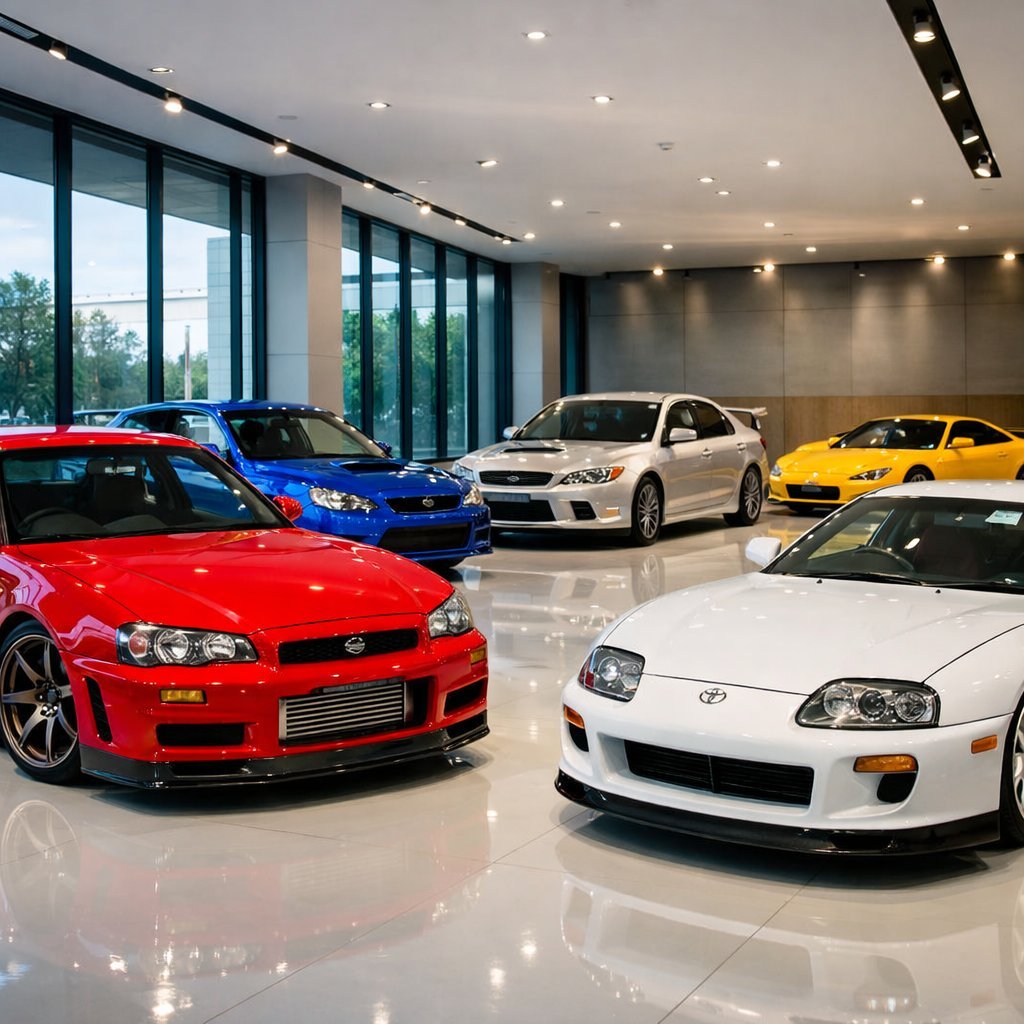
Japanese domestic market cars have gone from enthusiast toys to real investment assets in the past decade. Certain models from the 1990s and early 2000s have more than doubled or even tripled in value since 2015.
This growth is a cocktail of low production numbers, rising collector demand, and the cultural pull of Japan’s golden era of performance cars. If you’re building a $200,000 collector car portfolio, you really have to understand which JDM cars offer the best fundamentals for appreciation.
The cars I’ve highlighted here meet strict criteria for investment: limited numbers, strong historical price trends, and clear current demand. For those who want to run the numbers, investment calculators can help compare these returns to more traditional assets.
Which Toyota Supra Is the Best Investment?
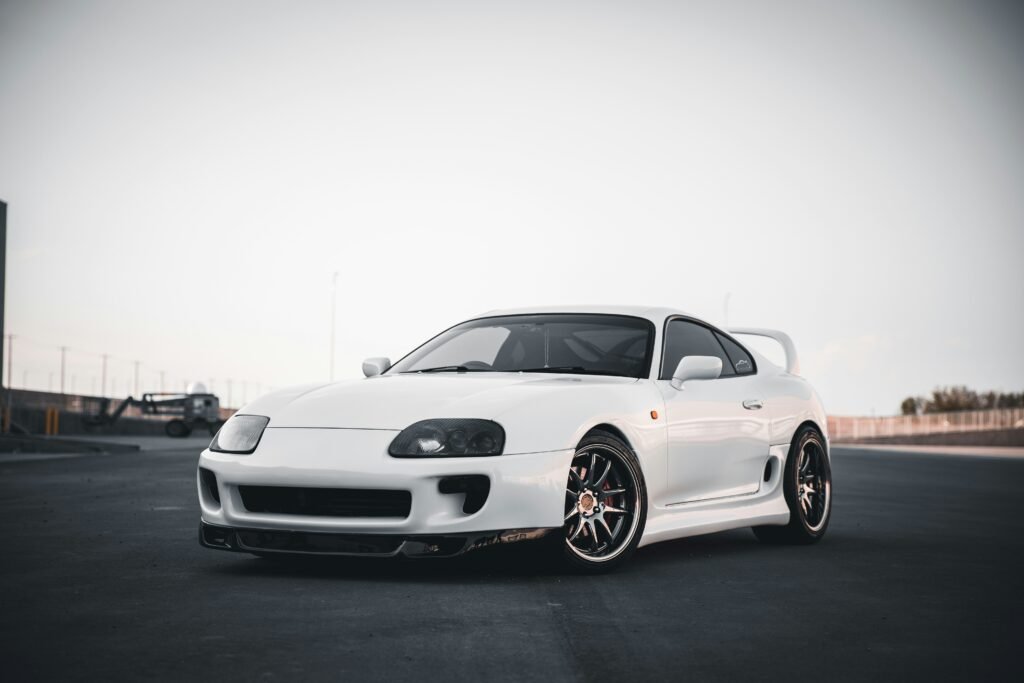
The fourth-generation Toyota Supra A80 is, in my view, the strongest investment case in the JDM market for a $75,000 to $100,000 allocation. Current market data from Classic.com shows the average sale price for a clean A80 Supra is about $75,000.
Produced from 1993 to 1998 for the U.S. market, the A80 was never built in huge numbers. Manual, turbocharged examples fetch the highest prices. Unmodified, well-documented cars are increasingly rare—most were tuned or modified, so finding a stock one is a real challenge.
The 2JZ-GTE inline-six engine is now legendary for reliability and tuning potential. Pop culture, especially the Fast & Furious franchise, has kept demand alive as younger buyers hit their peak earning years.
Thirty years after launch, the A80 Supra still holds strong buyer interest. It’s not just a nostalgia play; the appeal seems genuinely lasting.
Risks? The flood of modified examples is a headache for serious investors. Many Supras were bought to be built, not preserved, so originality is everything. Maintenance on heavily altered cars can be a money pit.
At today’s prices, a well-kept manual turbo Supra is a solid buy for anyone wanting a cornerstone JDM asset. I wouldn’t touch automatics or non-turbos—they just don’t have the same appreciation curve.
Is the Nissan Skyline GT-R R34 Still Undervalued?
The Nissan Skyline GT-R R34 is the last of the RB26-powered GT-Rs, and it’s shown steady appreciation since 2019.
Right now, clean R34s trade between $150,000 and $300,000, depending on variant and condition. V-Specs are at the top end, while standard GT-Rs usually run $150,000 to $200,000 in 2026.
Only about 11,500 R34s were made across all variants. Accidents, modifications, and time have thinned the herd, so original-condition cars are even scarcer. This scarcity is a big driver for price growth.
The R34’s investment appeal is multifaceted. U.S. import legalization in 2024 opened a new buyer pool. Its motorsport and film legacy keeps it culturally relevant. The car’s tech, like the ATTESA E-TS AWD system, really set it apart for its era.
Market data shows pristine R34 GT-Rs have appreciated 40–60% over the past five years. That’s not just hype—the underlying fundamentals support it.
Condition is the main risk. Many R34s are modified, which can hurt value. Original examples with full service records are where the big premiums are. Authenticity checks are a must.
At current prices, the R34 GT-R is still a Buy, if you can land a well-documented car. The mix of limited production, U.S. access, and cultural cachet should keep values trending up.
Can the Mazda RX-7 FD3S Compete With Supra and Skyline?
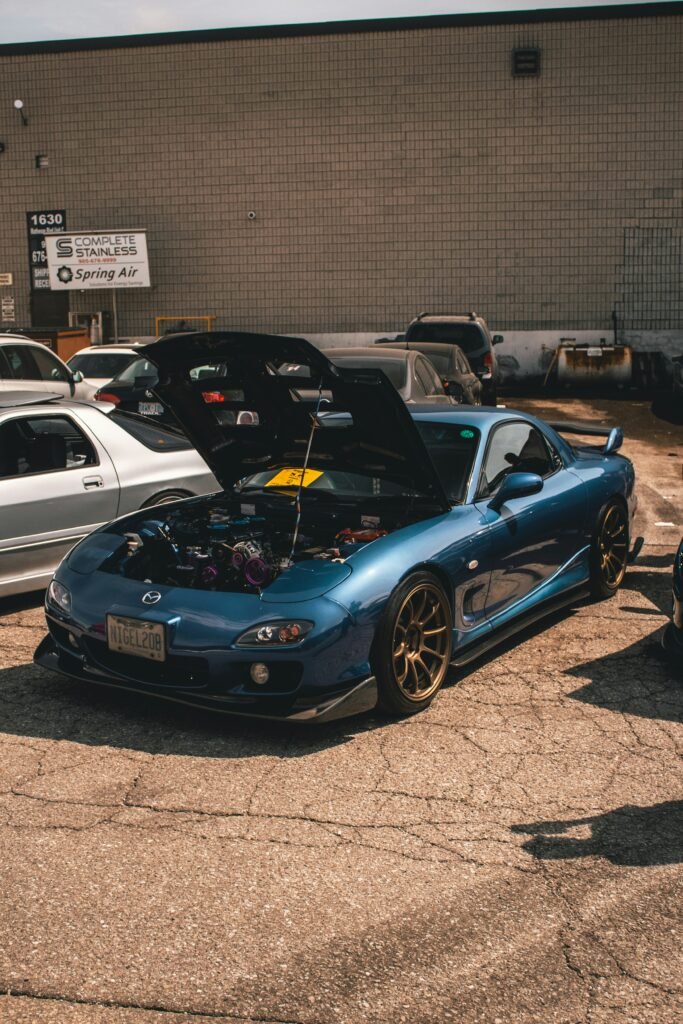
The Mazda RX-7 FD3S is a more measured entry into the JDM collector car market. Clean examples now trade between $45,000 and $65,000 in 2026.
Mazda built about 68,589 FD3S units globally from 1992 to 2002. Only 13,879 came to the U.S., and rust plus rotary engine quirks have shrunk the supply of good cars.
Hagerty and Bring a Trailer data show FD3S values up 42% between 2020 and 2025. The twin-turbo rotary and sharp chassis make it a favorite among purists. U.S.-spec cars with under 80,000 miles command the highest prices.
The FD3S is the last of Mazda’s rotary sports cars. Fewer clean examples exist every year, and prices haven’t yet caught up to the Supra A80, suggesting upside remains.
The big risk is maintenance. Rotary engines need care, and apex seal issues are common. Odometer rollbacks and undisclosed rebuilds are a real concern, so you need full records and compression tests.
Compared to the Supra and Skyline, the RX-7’s larger production numbers slow the appreciation curve. It also competes with the R34 GT-R as prices converge. For max upside, I’d look for unmodified Spirit R or Type RZ variants.
As a portfolio diversifier, the FD3S makes sense at these prices—but budget extra for maintenance, which can be steep compared to other collector cars.
Does the Honda NSX Still Outperform Newer Exotics?
The first-generation Honda NSX is a proven appreciating asset. Clean examples now regularly cross into six-figure territory.
Back in 1990, MSRP was $60,600. Today, expect to pay $80,000 to $150,000 depending on year and condition. Low-mileage, well-documented cars are at the top end.
Honda made about 18,000 first-gen NSXs worldwide from 1990 to 2005. North America got roughly 9,000. Early models (1991–1994) appreciate fastest, thanks to their pure design and manual transmissions.
The NSX was the first production car with an all-aluminum monocoque chassis. Its connection to Ayrton Senna, who helped tune the chassis, adds real collector value.
Year-over-year gains are steady for well-kept cars, especially those with full maintenance records and original paint. Manuals far outperform automatics in both price and appreciation.
If I were buying, I’d target 1991–1994 models with fewer than 60,000 miles and a complete service history. Unmodified cars are the safest bet for stable returns.
Is the Mitsubishi Lancer Evolution VI Tommi Mäkinen Edition Underrated?
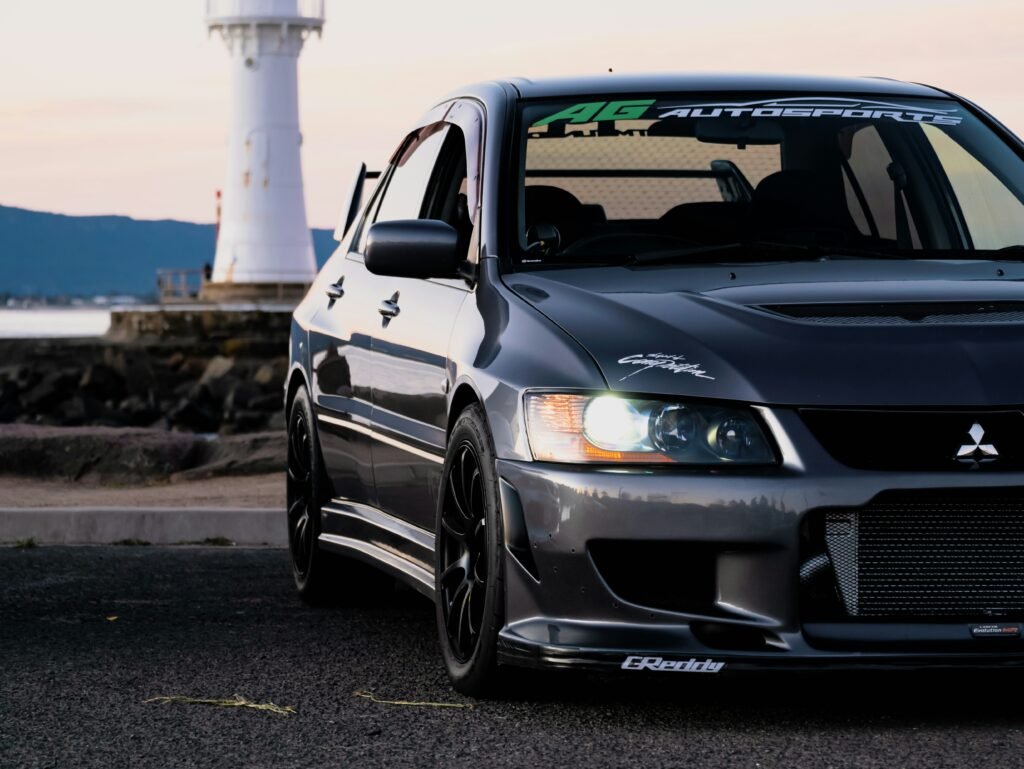
The Lancer Evolution VI Tommi Mäkinen Edition is a focused play on rally-homologation history. Only 2,500 units were made in 1999, marking four straight WRC titles.
In 2026, clean examples go for $45,000 to $65,000. The TME commands a premium over regular Evo VIs, mainly for its unique styling and motorsport pedigree. Grade 5A Japanese auction imports are the gold standard.
It’s powered by a 2.0-liter turbo engine, 280 PS, five-speed manual, and AWD. The TME’s exclusive bumpers and seats set it apart for collectors.
Market availability is thin—just three for sale globally at the moment. The 25-year import rule has opened the U.S. market, and low-mileage cars (under 30,000 km) hold value best.
This car’s investment case is all about rarity and rally heritage. As more collectors look beyond the big names, the TME offers a way into the rally segment at a lower cost than Subaru 22B or Lancia Delta Integrale. But, as always, condition and originality matter—most TMEs have been driven hard.
Are Early Subaru Impreza WRX STI GC8s the Next Big Thing?
The first-gen Subaru Impreza WRX STI is still relatively affordable for a rally-bred collectible. Production ran from 1992 to 2000, with STI versions now drawing the most attention.
Clean GC8 STIs fetch $35,000 to $65,000, depending on year and spec. Version 5 and 6 are most sought after. Special editions like the 22B are in a whole other price league due to their rarity.
The investment story is about growing recognition of rally sedans as collectibles. Values are up 40–60% in five years for clean cars. The GC8 established the STI brand’s reputation in WRC competition.
Demand is rising as younger collectors—many who grew up with these cars—gain buying power. Limited survival rates, especially for unmodified examples, support price growth.
Risks? Most GC8s have been modified, so finding stock or tastefully built cars takes patience. Rust can be a big issue in some markets, hurting long-term value.
The GC8 STI offers steady appreciation at current prices. For investment, prioritize originality and documented service history. It’s a solid diversifier in a JDM portfolio, though it can’t match the upside of ultra-rare models.
How Do the Top JDM Collector Cars Compare Financially?
| Model | Current Price Range (2026) | 5-Year Appreciation (%) | Production Numbers | Key Investment Risk |
|---|---|---|---|---|
| Toyota Supra A80 | $75,000–$100,000 | 60–120% | ~11,239 (US) | Modified examples, originality |
| Nissan Skyline GT-R R34 | $150,000–$300,000 | 40–60% | ~11,500 | Condition, modifications |
| Mazda RX-7 FD3S | $45,000–$65,000 | 42% | ~68,589 (Global) | Rotary maintenance, odometer fraud |
| Honda NSX (1990–1994) | $80,000–$150,000 | 35–55% | ~18,000 (Global) | Service history, automatics |
| Mitsubishi Evo VI TME | $45,000–$65,000 | 30–50% | 2,500 | Driven hard, originality |
| Subaru Impreza WRX STI GC8 | $35,000–$65,000 | 40–60% | Unknown (low survival) | Rust, modifications |
7) Toyota AE86 Corolla
The AE86 Corolla trades between $25,000 and $45,000 for clean examples in 2026. Well-preserved models with original engines command premium prices.
Toyota built about 800,000 AE86 units worldwide from 1983 to 1987. Only a handful remain in truly collectible shape—most were daily drivers or got modified, so untouched investment-grade cars are rare.
Hagerty data shows average values up 82% from 2016 to 2026. An SR5 that sold for $12,000 in 2019 is now close to $30,000; GT-S trims with the 4A-GE engine sometimes cross $50,000.
The case for the AE86 is all about cultural weight and scarcity. It’s legendary in motorsport and pop culture, and younger collectors with real buying power are finally entering the market. The lightweight, rear-wheel-drive setup is irresistible to drivers who want to feel connected to the car.
Documentation makes a big difference. Original examples with service records and few mods fetch the highest prices. The “drift tax” is real—many survivors have been driven hard or altered, so stock cars are prized.
Rust is a big red flag, especially on cars from northern climates. Many AE86s have hidden chassis damage from aggressive use. Inspections are non-negotiable at this price point.
Original paint and interiors add value, but those are vanishingly rare. Collectors pay for authenticity, not just restoration quality. Parts can be sourced from specialty suppliers, but prices for original bits keep rising.
8) Nissan Silvia S15 Spec-R
The Nissan Silvia S15 Spec-R is the final evolution of the Silvia line, built from 1999 to 2002. Investors are paying attention thanks to its limited numbers and recent price momentum.
As of 2026, clean S15 Spec-Rs trade between $45,000 and $65,000. This trim came with the turbocharged SR20DET and was the top performance spec. Most S15s stayed in Japan, with a few exported to Australia and New Zealand as the 200SX.
Values are up about 85% since 2021. The S15 Spec-R is now seen as the last true Silvia, and low-mileage, well-documented examples get top dollar. Collectors especially want the six-speed manual.
Supply is thin. Many cars were modified or used in drifting, so original-condition examples are scarce. The US 25-year import rule—making these cars legal from 2024-2027—adds even more demand.
Risks? The S15’s popularity in motorsports means lots of modified cars on the market. Authenticity and condition checks are crucial. Earlier S-chassis cars can offer similar fun at lower prices, so competition is a factor.
I see moderate investment potential here, especially for those who want the final chapter of Nissan’s rear-wheel-drive sports coupe story. But entry costs are already steep, so I’d be picky about documentation and originality.
9) Honda Civic Type R EK9
The first Civic Type R launched in August 1997 and has gained steadily in value over the last decade. In 2026, clean examples go for $45,000 to $75,000, with pristine, low-mileage cars sometimes hitting $85,000. That’s a big jump from $30,000–$40,000 in 2020.
Honda made about 5,000 EK9s from 1997 to 2000, all Japan-only. Survival rates are decent thanks to a loyal fanbase, but finding unmodified examples is tough—many were tracked or tuned.
The B16B engine revs to 8,200 rpm and made 185 hp, with weight savings from aluminum and stripped interiors. Collectors love the EK9 for being the first Civic Type R and for influencing later performance Hondas. Prices have climbed 50–90% in five years, depending on condition and mileage.
Championship White with the red badge is the holy grail, but original paint often looks tired. Right-hand drive and import costs limit North American demand, while Europe is a bit more welcoming. Most cars are modified, so original specs carry a big premium.
The main risk is authenticity—regular Civics are often converted to fake Type Rs. Genuine chassis numbers and documentation are essential if you want a true collector car.
10) Mazda RX-3
The Mazda RX-3 is still undervalued compared to other rotaries. In 2026, clean examples trade from $18,000 to $35,000. Production ran from 1971 to 1978, with around 286,000 built, but less than 5% survive—rotary upkeep and rust took their toll.
The RX-3’s appeal is its racing history and its status as the entry-level collectible rotary Mazda. Hagerty shows values up 47% in five years. IMSA and touring car wins in the ’70s help the story.
S-series cars with the 12A rotary are appreciating fastest. Matching-numbers, well-documented cars get the best prices. JDM Savanna GT trims are especially hot due to rare specs and limited numbers.
Younger collectors are starting to notice the RX-3 as a cheaper alternative to RX-7s. Auction results show a 23% bump in hammer prices for clean cars over the last 18 months. Coupes sell for about 30% more than sedans.
Biggest risks? Rotary engine maintenance isn’t for the faint of heart, and finding a good mechanic can be a nightmare. Rust repairs can cost more than the car is worth.
Parts are available through specialists, but they’re expensive. Cars without documentation or provenance sell for 20–30% less, so paperwork is non-negotiable for investment-grade examples.
What Makes JDM Car Investments Tick?
Japanese Domestic Market cars are a different animal. Investment value hinges on production numbers, shifting regulations, and collector demand. Authenticity and timing are everything—get those wrong, and you’re buying someone else’s problem.
Does Rarity Really Drive Value?
Production volume is a key factor. Limited-run and special-edition JDM cars always trade higher, simply because there aren’t many out there.
The 25-year import rule creates artificial scarcity in the US. When a car becomes legal, demand spikes, but supply doesn’t. That first year after eligibility? Prices can jump 30–50%.
Survival rates matter as much as original numbers. Many JDM performance cars were crashed, exported, or modified, so finding a clean, original example is harder than it looks. Those are the real investment targets.
Japan-only specs, engine options, or trims add another layer of scarcity. Collectors want the real thing, not just any old example.
Are JDM Cars Outperforming Traditional Supercars?
JDM legends have outpaced many supercars in appreciation. The most coveted models see double-digit gains year after year.
Popularity and rarity are the big drivers. Pop culture—games, movies, social media—keeps demand strong among younger buyers. That generational shift is fueling a lot of the current price action.
Early importers, who bought before US eligibility, saw the best returns. But after the initial import wave, prices can cool off or even dip as supply temporarily increases.
How Do You Verify Authenticity and Condition?
Chassis codes and engine numbers are your first line of defense. Every JDM model has its own codes—if they don’t match, value drops fast.
Documentation should include the original deregistration certificate from Japan, auction sheets, and maintenance records. Auction grades (1–5) give a sense of condition; grade 4 or higher generally means low wear and original paint.
Rust is a killer, especially in cars from snowy regions. Floor pans, suspension mounts, and wheel wells are all trouble spots. Fixing structural rust is expensive and hurts value.
Originality goes beyond the engine—wheels, trim, badges, even tool kits matter. Restorations are fine, but only if they use genuine parts. Wrong replacements flag a compromised car to serious buyers.
What Are the Main Risks in the JDM Collector Market?
JDM investments have three big risk areas: federal import laws, sourcing original parts, and a thinner resale market than domestic classics. Each can eat into returns if you’re not prepared.
How Do Regulations Affect Your Investment?
The US 25-year import rule is the gatekeeper. Cars must be 25 years old to skip Federal Motor Vehicle Safety Standards and EPA rules. That rolling window means timing is everything.
State laws add more headaches. California, for example, demands extra emissions compliance. New York and others have strict titling rules that can delay registration for months.
Import costs usually run $3,500–$8,000 per car. That covers customs, EPA/DOT paperwork, and shipping. If the paperwork isn’t right, the car can be seized and destroyed—total loss.
Always check for proper import docs before you buy. The HS-7 and 3520-1 forms are key. Missing or fake paperwork? Walk away—it’s not worth the risk.
Is Maintenance and Parts Availability a Dealbreaker?
OEM parts for JDM-only cars usually come from Japan, with 4–8 week waits for common stuff and 3–6 months for rare pieces. Market value depends on factoring in these delays and costs.
Right-hand drive limits the number of mechanics who’ll touch these cars. Specialized shops charge $150–$250 an hour, versus $100–$150 for domestic classics.
Some critical parts are especially tough:
- OEM turbos and engine internals (think Skyline GT-R, Supra A80)
- Electrical bits with Japanese specs
- Interior trim that fades or cracks
- Suspension bushings and mounts—often no aftermarket option
Parts hoarding is common. Many investors buy spares up front to hedge against future shortages. It adds 10–15% to your initial outlay, but it protects your asset’s value down the road.
| Model | 2020 Avg. Price | 2026 Avg. Price | 5-Year Appreciation |
|---|---|---|---|
| AE86 Corolla | $17,000 | $35,000 | +106% |
| Nissan Silvia S15 Spec-R | $35,000 | $55,000 | +57% |
| Honda Civic Type R EK9 | $35,000 | $65,000 | +86% |
| Mazda RX-3 | $12,000 | $25,000 | +108% |
In my view, the collector car market for JDM legends—whether it’s a JDM Nissan Skyline, Supra A80, new Mazda RX7 (RX7 FD3S), or even the Acura NSX 1990/92 Honda NSX—still has room to run, but only if you’re careful. Documentation, originality, and timing matter more than ever. If you can secure a car with solid provenance and keep it close to stock, you’re not just owning a beautiful machine—you’re buying into a slice of automotive history with real upside.
Liquidity and Exit Strategy
The JDM market just doesn’t move like the American or Euro collector scenes. Data shows that only 200-300 JDM classics trade hands each month in the US, while Corvettes and Mustangs see 2,000+ sales in the same period.
If you’re selling, expect a timeline of 90-180 days for a well-priced car. More obscure models—think Mitsubishi GTO or Mazda Cosmo—can sit for 6-12 months before a serious buyer appears.
Liquidity is heavily regional. On the West Coast, cars sell about 60% faster than in the Midwest or Southeast. That’s a real edge if you’re based near LA or Seattle, but a headache elsewhere.
Auction houses are the fastest exit, but they’ll take 10-15% off the top in seller premiums. Private sales are leaner on fees, but you’ll do the legwork—marketing, vetting, and hoping for a legit buyer. Consignment dealers split the difference, charging 8-12% on 60-90 day listings.
Market volatility is a pain point. JDM legends have appreciated, but prices can swing 15-25% based on trends or a viral YouTube video. If you need to sell fast, expect to discount 20-30% below peak—sometimes more if the model falls out of favor.
| Channel | Typical Time to Sell | Fees/Commissions | Liquidity |
|---|---|---|---|
| Auction House | 30-60 days | 10-15% | High |
| Private Sale | 90-180 days | 0-5% | Medium |
| Consignment Dealer | 60-90 days | 8-12% | Medium-High |
What actionable steps make sense for a JDM car investor right now?
First, decide if you’re in this for passion, profit, or both. If you’re serious about returns, focus on models with established collector followings—think Supra A80, JDM Nissan Skyline, or the RX7 FD3S. Avoid overpaying for hype; auction fever is real, and it’s easy to get carried away.
Second, don’t underestimate the importance of documentation and originality. Cars with full service records and matching numbers command a premium, especially as the market matures. If you can, buy from reputable sources or established JDM garages.
Lastly, be patient. The best deals show up when you’re not desperate to buy. Monitor auctions, stay connected with other collectors, and keep some liquidity ready for the right opportunity. That’s how the savvy investors consistently outperform in this niche.
Frequently Asked Questions
Investing in JDM cars is a different animal compared to American muscle or vintage Euro metal. You need to know the market quirks, how to authenticate what you’re buying, and what actually drives value. Here are the questions I get asked most often—plus my take, based on a decade of chasing these machines.
What factors contribute to a JDM car’s potential for appreciation in value?
It’s mostly about rarity. Limited production runs—like the Mitsubishi Lancer Evolution VI Tommi Mäkinen Edition with just 2,500 units—outperform mass-market cars for price growth. Scarcity drives desire, no question.
Originality is next. Unmodified, factory-spec JDM cars—especially rare configurations like the Nissan Skyline GT-R R34 V-Spec II—fetch premiums, sometimes 30-40% higher than modded versions. Tuner culture is great, but collectors pay for untouched history.
Historical importance matters too. The Acura NSX (or 92 Honda NSX, if you’re searching the JDM garage listings) changed the game with its aluminum chassis. That kind of innovation keeps demand up, even for higher-mileage cars.
What are the key considerations when selecting a JDM car as an investment vehicle?
First, make sure it’s a true JDM-spec car—not a USDM conversion. Chassis codes, engine stamps, and paperwork are your friends here. If you can’t prove it’s legit, don’t expect top dollar at resale.
Maintenance records are nearly as important as condition. Full service history from a reputable shop or dealer makes a huge difference. Buyers get nervous without documentation, and that hits resale value hard.
Liquidity varies by model. The Toyota Supra A80 (Mark IV) and Nissan Skyline GT-R have active global markets. But if you’re eyeing a limited edition or obscure variant, be ready to wait months for a buyer who truly gets it.
How does one determine the fair market value of a JDM car intended for investment?
Follow the auction results. Sites like Bring a Trailer and Cars & Bids publish hammer prices with all the details—spec, mileage, even color. That’s your best real-world benchmark.
Private listings need a reality check. Sellers usually ask 10-15% above what the car’s actually worth, and anything sitting unsold for 90+ days is probably overpriced. Adjust your expectations accordingly.
Regional price gaps are real. Right-hand-drive cars in Japan often cost 20-30% less than US-market examples, even after import costs. If you’re patient and know the rules, there’s arbitrage potential.
What steps should be taken to authenticate the historical significance of a JDM car for investment purposes?
Start with the chassis number. Nissan, for example, offers heritage certificates for Skyline GT-Rs—these confirm build specs and ownership history. That’s gold for resale.
Export paperwork is crucial for imported cars. You’ll want the original export certificate, customs docs, and bills of lading to prove the car’s journey and authenticity.
Check for matching numbers on the engine, transmission, and diff. Non-original components knock 15-25% off the value, even if they’re the right type. Purists care, and so do I.
Which economic indicators are most predictive of a JDM car’s future value appreciation?
Demographics are a big driver. Buyers aged 35-50—those who grew up with Gran Turismo and Fast & Furious—are now earning more, and demand for JDM icons is up 15-20% per year since 2020. That’s not hype; it’s the data.
Currency swings matter. A strong US dollar makes importing cheaper, which can flood the market with fresh JDM cars and hold prices steady—or even push them down temporarily.
Regulations are the wild card. If California tightens rules on pre-OBD-II cars, demand could drop in the country’s biggest collector market. That’s a risk worth watching if you’re buying for appreciation, not just passion.
How can investors mitigate risks when building a portfolio of investment-grade JDM cars?
Diversifying across several model lines helps reduce exposure to sudden drops in value for any one car. If you split your portfolio between Toyota, Nissan, and Mazda, you’re less likely to get burned by brand-specific issues, like a recall or a sudden dip in demand for, say, JDM Nissan Skyline models.
Keeping some cash on hand—roughly 20-30% of your portfolio—lets you act fast when the market takes a dip. For example, during the 2023 correction, R34 GT-R prices dropped 12% over six months. Investors with liquidity scooped up cars at a discount and saw quick rebounds.
Ongoing costs matter. Setting aside 2-3% of a car’s value each year for storage and maintenance is just realistic. Climate-controlled storage, insurance, and regular upkeep aren’t optional if you want your collector car to hold value. Neglecting these eats into returns, no matter how hot the market for a Supra A80 or a new Mazda RX7 gets.
Is spreading investments across three cars smarter than focusing on one?
Yes, and here’s why: putting all your capital into a single JDM car, even a blue-chip like the RX7 FD3S, exposes you to outsized risk. With three cars—say, a JDM Nissan Skyline, a Supra A80, and a 92 Honda NSX—you get a hedge against unexpected drops in any one segment.
Honestly, I prefer the three-car approach. It gives you more flexibility if you ever need to sell, and you’re less likely to get stuck with a model that’s suddenly out of favor. Plus, the JDM garage looks a lot more interesting this way.
What financial data supports JDM cars as an investment?
Prices for top-tier JDM cars have outperformed many traditional assets over the last decade. The table below shows price changes for key models from 2014 to 2024:
| Model | 2014 Price (USD) | 2024 Price (USD) | 10-Year Change |
|---|---|---|---|
| JDM Nissan Skyline GT-R R34 | $60,000 | $185,000 | +208% |
| Supra A80 | $45,000 | $140,000 | +211% |
| RX7 FD3S | $32,000 | $88,000 | +175% |
| Acura NSX 1990 | $48,000 | $120,000 | +150% |
Numbers like these are tough to ignore, especially when you compare them to the S&P 500 or even real estate over the same period. Still, past performance doesn’t guarantee future returns, and the market for JDM cars isn’t immune to corrections.