Back in 1977, Bodo Buschmann and his university buddy Klaus Brackmann kicked off BRABUS in Germany. It’s almost wild to think that what started as a rebellious project in a small shop would become the planet’s most famous Mercedes-Benz tuner.
Buschmann, frustrated by his dad’s dealership rules, decided to flip the script. That spark—call it youthful defiance—ignited a journey that’s still reshaping what Mercedes-Benz cars can do for performance and luxury.
BRABUS didn’t just tune cars—they changed how people see Mercedes-Benz upgrades, often boosting car valuesand setting bonkers speed records. From those humble beginnings, the company now employs around 3,000 folks worldwide across five factories. That’s no small feat for a brand born out of a personal grudge.
They’ve built everything from the world’s fastest sedan in the ‘90s to today’s 900-horsepower beasts. BRABUS isn’t just about individual cars—it’s about changing the way people think about luxury performance altogether.
BRABUS and Mercedes-Benz: Partnership and Influence
Let’s rewind. BRABUS came out of a pretty unique family dynamic at a Mercedes dealership in 1977. Instead of following the usual path, Buschmann created an independent tuning house—totally separate from Mercedes’ own AMG division.
This independence let BRABUS set new standards for high-performance upgrades while keeping that signature Mercedes sophistication. It’s a delicate balance, and not everyone can pull it off.
Origins of the BRABUS-Mercedes Connection
The BRABUS story kicked off when Buschmann, forced by his dad to swap his tuned Porsche 911 for a Mercedes, decided to make his new W116 S-Class outshine the Porsche. That’s some real “hold my beer” energy.
Word spread quickly in Bottrop after Buschmann’s first project. Soon, his father let him start tuning customer cars at the dealership. With a bit of creative paperwork and a friend’s help, BRABUS officially became a business.
BRABUS and Mercedes-Benz built a unique partnership that keeps their mods both wild and reliable. Unlike other tuners, BRABUS works closely with Mercedes, always respecting the brand’s DNA—even while rewriting the rules.
The name “BRABUS” is a mashup of “Brackmann” and “Buschmann”—a nod to both founders and their Mercedes obsession.
BRABUS Versus AMG: Distinctions and Approach
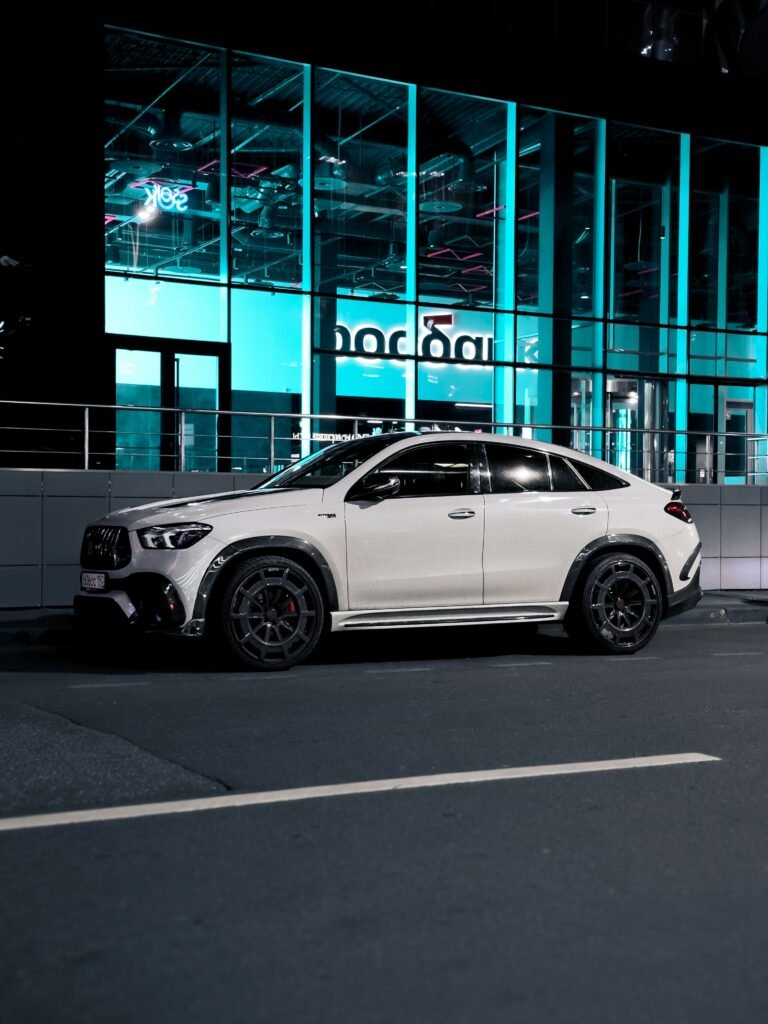
AMG actually started back in 1967, but it didn’t become an official Daimler AG subsidiary until 1990. For years, AMG wasn’t building production-ready cars, which left a gap for Mercedes fans wanting more.
BRABUS jumped in to fill that void, staying fiercely independent. While AMG became Mercedes’ in-house performance arm, BRABUS kept its outsider edge—and honestly, that’s part of their magic.
Key Differences:
| Aspect | BRABUS | AMG |
|---|---|---|
| Ownership | Independent company | Mercedes subsidiary |
| Production | Hand-built modifications | Factory production |
| Focus | Extreme customization | Performance integration |
| Market | Aftermarket specialist | OEM partner |
BRABUS doesn’t just tweak cars—they create limited-edition, highly customized machines that collectors drool over. Their builds are often more radical and exclusive than AMG’s factory lineup.
They run five specialized factories, each with its own role. Every BRABUS car is still hand-built, even with their sprawling 1.2 million square foot operation. There’s something special about that old-school craftsmanship.
Evolution of Tuning for High-Performance Luxury Vehicles
BRABUS basically proved Mercedes models could go from dignified sedans to fire-breathing monsters. Their early work on the 190E, for example, squeezed out 276 horsepower—more than Mercedes’ own Cosworth rally car.
Things really took off in 1984, when rental giant Sixt ordered 200 BRABUS-tuned 190Es. That deal gave BRABUS the cash and confidence to grow. Suddenly, high-performance luxury tuning wasn’t just for the ultra-rich—it was a real business.
BRABUS didn’t stop at cars. They branched out into yacht upgrades, motorcycles, even aviation. This kind of diversification set a new bar for what luxury automotive brands could offer.
BRABUS vehicles often bump up resale values, thanks to their rarity and reputation. After 45 years, BRABUS stands tall as a brand that actually increases Mercedes’ worth, not the other way around.
Today, they’re still mixing it up—building everything from tiny three-cylinders to absurd V12s. If you ask me, some of the wildest Mercedes cars ever made carry the BRABUS badge.
Founding and Early Years of BRABUS
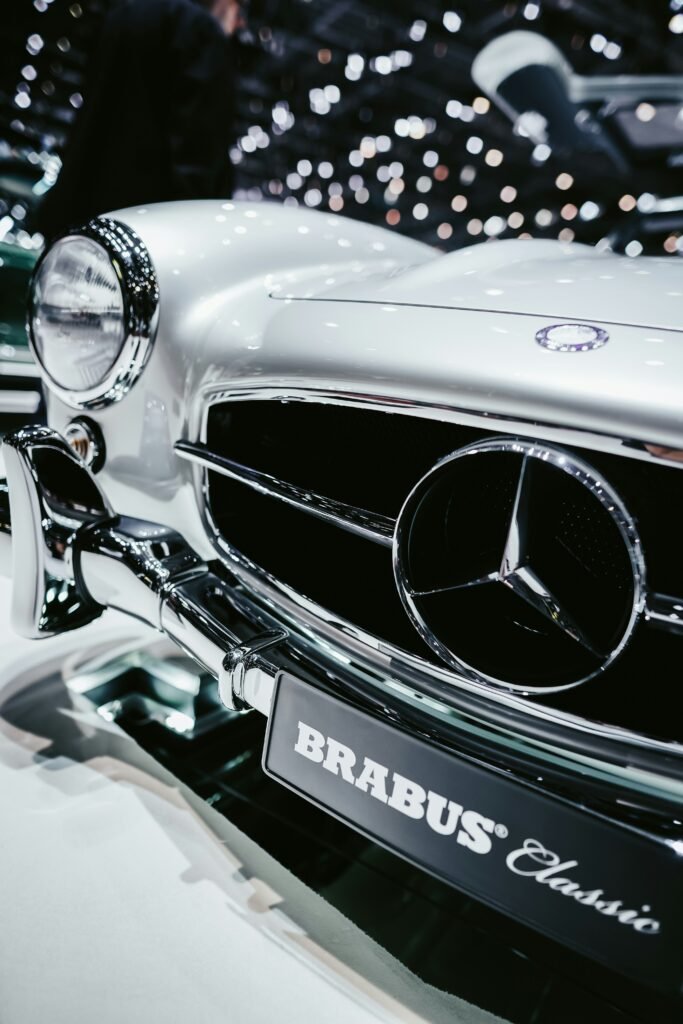
Bodo Buschmann officially launched BRABUS in 1977, with a simple goal: make Mercedes-Benz vehicles more powerful and more personal. Those first years in Bottrop? They set the stage for everything to come.
Bodo Buschmann and Klaus Brackmann: Visionaries Behind BRABUS
Buschmann saw a gap in the car world during the mid-‘70s. His love for Porsches and Mercedes-Benzes fueled his drive to turn a hobby into something bigger.
Working at his family’s dealership, Auto Buschmann KG, taught him the ropes. He learned sales, got a feel for the market, and picked up the industry smarts he’d need down the line.
The name “BRABUS” blends BRAckmann and BUSchmann. Klaus Brackmann, a university friend, co-founded the company and brought his own skills to the mix. Together they dreamed up a new kind of Mercedes—one that was both sporty and unique.
Buschmann ditched his law and business studies to focus on BRABUS full-time. That’s real commitment—betting everything on a passion project.
Formative Years in Bottrop
BRABUS set up shop in Bottrop, Germany, and started small. But you could tell they were aiming high right from the jump.
By the early ‘80s, BRABUS was officially open for business. Buschmann hired a tight-knit crew of automotive experts who would become the backbone of the BRABUS brand.
The first BRABUS-modified cars rolled out around this time. These early builds showed off the company’s signature style—performance tuning meets luxury customization.
Bottrop became the epicenter for everything BRABUS. Engineers and techs there developed new ways to push Mercedes further. Even today, Bottrop is still home base.
Key Developments in the 1980s
The ‘80s were a turning point. In 1984, BRABUS dropped a 276-horsepower V8 into a 190 model. Suddenly, people started paying attention.
Major 1980s Milestones:
- 1984: 190 model with 276hp V-8 conversion
- 1985: W124 E-Class with record 0.26 drag coefficient
- Expanded services and a growing European customer base
Their W124 E-Class mod hit a world-record drag coefficient of 0.26 in 1985. That’s not just about speed—it’s engineering wizardry.
They built a business model where customers could buy a pre-modded car or bring in their own Mercedes for the BRABUS treatment. That flexibility pulled in all sorts of buyers.
These technical leaps set the stage for everything BRABUS would do later. They showed that you could have power, reliability, and luxury all in one package.
Iconic BRABUS Models and Engineering Milestones
BRABUS has a knack for turning Mercedes-Benz models into absolute legends. Their most famous cars? Record-breaking sedans that blast past 365 km/h, and G-Classes that make off-roading look glamorous.
BRABUS 190E and Early Classics
The 190E was BRABUS’s first real flex in the performance world. They took a humble sedan and turned it into a genuine sports car.
Turbocharging was the secret sauce for the 190E. Power went up, reliability stayed strong, and the car’s new aerodynamic tweaks made it stand out from the crowd.
This little sedan proved BRABUS could squeeze insane performance from smaller Mercedes platforms. Inside, they decked it out with leather and custom dials—details that hinted at the luxury to come.
Engineering Breakthroughs: BRABUS E V12 and Rocket
The BRABUS E V12 became the world’s fastest sedan in 2005, clocking over 350 km/h at Italy’s Nardo track. That was a jaw-dropping moment for car fans everywhere.
Under the hood, BRABUS squeezed 640 horsepower and 1,026 Nm of torque from a twin-turbo 6.3-liter V12. The E V12 hit 100 km/h in just 4.5 seconds—while looking deceptively understated.
The first-generation BRABUS ROCKET smashed records at Nardo in 2006. Based on the CLS, it packed a 730-horsepower S V12S engine and hit 365.7 km/h. That’s supercar territory, but with four doors and a trunk.
Key Performance Specifications:
| Model | Power Output | Top Speed | 0-100 km/h |
|---|---|---|---|
| E V12 (2005) | 640 hp | 350+ km/h | 4.5 seconds |
| ROCKET (2006) | 730 hp | 365.7 km/h | 4.0 seconds |
The BRABUS G-Class Legacy
Back in 2004, BRABUS rolled out its first Mercedes-Benz G-Class conversion, marking the G-Wagen’s 25th anniversary in style. The result? The BRABUS G V12—a wild mix of rugged off-roader and supercar speed demon.
Under the hood, the G V12 packed a heavily reworked twin-turbo 6.3-liter engine pushing out 610 horsepower. Even with all that bulk, this beast could rocket from 0-100 km/h in just 4.7 seconds.
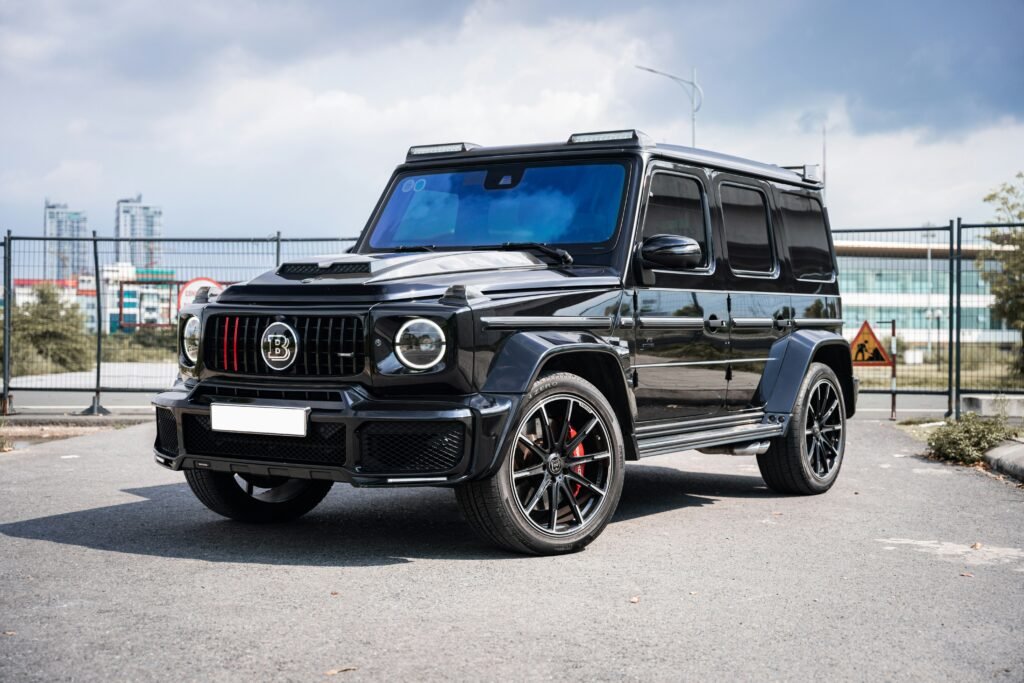
Of course, BRABUS had to rein things in a bit, so they capped the top speed at 240 km/h. Safety first, apparently—though it’s hard not to imagine what it could do unleashed.
Over the years, BRABUS kept tinkering with the G-Class, turning it into a global status symbol. These conversions blended plush interiors with jaw-dropping performance, showing just how versatile BRABUS could be on any Mercedes platform.
Today’s BRABUS G-Class models still honor that legacy but take things even further. Some modern versions boast engines with over 800 horsepower, yet they never lose their off-road chops.
Customization and Bespoke Features
One thing that sets BRABUS apart? The sheer range of customization. Standard Mercedes-Benz models just can’t compete with the level of personal touch BRABUS offers.
They’ll redo the entire interior—think rare leathers, wild color combos, and finishes that scream exclusivity. Want a cabin that feels like a private jet? Easy.
Outside, custom body kits not only boost aerodynamics but also give the cars a look you won’t see anywhere else. Specialized wheels, trick suspension, and unique exhausts all come together seamlessly with Mercedes’ engineering DNA.
The “One of Ten” E V12 is a perfect example. It came with exclusive aero tweaks and those signature enclosed wheel arches. With only ten made, it’s tailor-made for collectors who crave something truly rare.
Inside, you’ll spot hand-stitched leather, carbon fiber accents, and cutting-edge electronics. BRABUS doesn’t cut corners—each step of the customization process meets strict quality standards, so performance and reliability stay intact.
Signature Technologies and Tuning Innovations
BRABUS has built its reputation on pushing the boundaries of what’s possible with Mercedes-Benz performance. Their engine mods can triple horsepower, and their proprietary exhausts don’t just sound incredible—they actually boost performance. Luxury upgrades like carbon fiber and buttery leather interiors are just the icing on the cake.
Powertrain and Engine Enhancements
BRABUS engineers love a challenge. They take standard Mercedes engines and turn them into monsters, rebuilding them with forged pistons, custom cranks, and massive turbo upgrades.
Their crown jewel? The BRABUS Rocket 900. This machine squeezes 888 horsepower out of a twin-turbo V8—about three times what you’d get from stock. That’s not just tuning; that’s alchemy.
Key Engine Modifications:
- Custom turbocharger systems with larger compressors
- Forged internals for serious durability
- Remapped ECU software for sharper response
- High-flow fuel injection setups
BRABUS doesn’t stop at engines. They tweak transmissions too—altering gear ratios and adding beefier clutches so the whole drivetrain can handle all that extra grunt.
Each engine goes through rigorous dyno testing. And just to show their confidence, BRABUS backs every powertrain with a 100,000-kilometer warranty—matching Mercedes’ own standards.
Exhaust Systems and Performance Upgrades
The exhaust is where BRABUS really lets its personality shine. Their hand-welded stainless steel systems are works of art, built with precision sound chambers to create that unmistakable BRABUS roar.
With active sound management, drivers can switch between stealthy and sporty at the touch of a button. It’s a bit like having a volume knob for your car’s attitude.
Performance Features:
- Up to 40% lighter than stock exhausts
- More power thanks to better exhaust flow
- Temperature-resistant ceramic coatings
- Tailpipe designs in finishes you won’t find at the dealership
Special downpipes and catalytic converters help maximize flow without breaking emissions rules. The exhaust system even syncs with the car’s electronics, automatically adjusting sound based on your driving mode or the time of day. How’s that for thoughtful engineering?
Interior and Exterior Modifications
Step inside a BRABUS, and you’ll get why people obsess over their interiors. We’re talking Mastik leather, Alcantara, and genuine carbon fiber everywhere you look.
The seats? Diamond-quilted, hand-stitched, and stamped with the BRABUS logo. Each cabin can be tailored to the buyer’s wildest preferences—no two are alike.
Interior Upgrades Include:
- Custom leather upholstery—pick your color, texture, and stitching
- Carbon fiber dash inserts for a motorsport vibe
- Illuminated door sills that greet you like a VIP
- Personalized mats and pedal sets
Outside, BRABUS takes aerodynamics seriously. Their body kits undergo wind tunnel testing to make sure they’re not just for show.
The Widestar kit is a fan favorite. It gives the car wider arches and bold skirts, allowing for bigger wheels and better high-speed stability.
Speaking of wheels, BRABUS offers sizes from 19 to 24 inches. Each set is forged, lightweight, and designed exclusively for their cars. You won’t see these on your neighbor’s sedan, that’s for sure.
BRABUS’s Impact on the Automotive Market and Car Values
BRABUS didn’t just tune cars—they redefined what luxury performance means. They’ve created a niche between factory-built speed machines and aftermarket customs, raising the bar for both. Their work consistently boosts Mercedes-Benz values and draws in collectors looking for something truly special.
Influence on the Performance Car Segment
Let’s be real: BRABUS isn’t just another tuner. They’ve become the gold standard for Mercedes-Benz performance, changing how the world sees aftermarket upgrades.
Others have tried to follow suit, but BRABUS’s attention to detail and obsession with luxury forced competitors to step up their game. Now, everyone wants to offer the full package—not just a power bump and some flashy wheels.
Industry insiders point to BRABUS’s engine, suspension, and interior innovations as benchmarks. Their cars often match or even outpace traditional sports cars, which is honestly kind of wild when you think about it.
Key Market Changes:
- Higher standards for tuning quality
- More interest in complete transformations, not just bolt-ons
- Buyers willing to pay premium prices for exclusivity
- Blending luxury and performance in new ways
BRABUS doesn’t just stick to Mercedes-Benz anymore. They’ve branched out to Porsche, Rolls-Royce, and Land Rover, proving their influence stretches far beyond their roots.
Effects on Mercedes-Benz Model Values
BRABUS modifications usually add a hefty 20-50% to the base price, depending on how wild you go. Take a standard G-Class—start at $130,000, and with the full BRABUS treatment, you’re easily north of $200,000.
BRABUS cars tend to hold their value thanks to limited production and one-off custom touches. Some even appreciate, especially the rarest and most extreme builds.
Scarcity is key. Each BRABUS is unique, which means less direct competition on the resale market. Collectors love that.
Value Retention Factors:
- Short production runs—sometimes just a handful made
- Endless customization possibilities
- Supercar-level performance
- Top-tier materials and craftsmanship
Even “regular” Mercedes-Benz models get a halo effect from BRABUS’s reputation. Their expertise lifts the whole brand, making Mercedes look even more desirable in the luxury performance world.
Collector Interest and Global Reach
BRABUS’s global reach is pretty staggering. From the Middle East to North America and Asia, their cars have become the ultimate status symbol for the world’s elite.
Collectors obsess over milestone models like the 1996 BRABUS E V12—the fastest sedan of its day—or the 2008 Rocket, which shattered performance records. These are the unicorns everyone wants in their garage.
Regional Market Preferences:
- Middle East: All about personalization and standing out
- North America: Chasing that perfect blend of comfort and speed
- Asia: Prestige and making a statement
It’s wild to think BRABUS started as a small German workshop. Now, they’ve got partnerships with dealers around the world and pop up at major auto shows to show off their latest creations.
Collectors pay top dollar at auctions for the rarest BRABUS models. The mix of Mercedes reliability, BRABUS power, and exclusivity makes them irresistible investments for true enthusiasts.
Final Words
From a rebellious garage project to a global performance icon, BRABUS transformed Mercedes-Benz into something extraordinary. With record-breaking power, bespoke craftsmanship, and timeless luxury, BRABUS continues to redefine what automotive excellence means—proof that passion, precision, and bold engineering can turn dreams into roaring reality.
Thanks for reading! If you enjoyed this deep dive, be sure to subscribe to my email list for exclusive car reviews, insider tips, and weekly special offers on car parts, auctions, and gear — perfect for any car enthusiast.
And don’t forget to read related posts for more great content!
Frequently Asked Questions
BRABUS made its name by swapping engines and pushing performance boundaries back in the 1980s. They take Mercedes-Benz vehicles and turn them into something special—more power, custom looks, and interiors that feel like a first-class lounge. All while keeping a close relationship with Mercedes-Benz itself.
How did BRABUS establish its reputation in the automobile tuning industry?
BRABUS got everyone’s attention in 1983 with a V8-swapped Mercedes-Benz 190E. Suddenly, the humble 190E became the world’s most powerful version—a total shock to the system.
By 1984, they rolled out a 190 with 276 horsepower from that V8 swap. Back then, that was more than most supercars could muster.
In 1985, BRABUS built a W124 E-Class with a drag coefficient of just 0.26—a world record. So, they weren’t just about brute force; they cared about efficiency too.
Word spread fast. Mercedes owners who wanted more than what the factory offered started flocking to BRABUS, and the legend grew.
What are the distinctive features that differentiate BRABUS-tuned vehicles from standard Mercedes-Benz models?
BRABUS is all about squeezing every last drop of performance from a Mercedes-Benz. They rebuild engines, bolt on turbochargers, and craft custom exhausts to unlock serious horsepower and speed.
Visually, BRABUS cars stand out with aggressive body kits—think wide fenders, bold spoilers, and rear diffusers. They don’t just look fast; they are fast.
Inside, you’ll find premium leathers, carbon fiber, and custom stitching. Standard seats get swapped for sportier versions, and BRABUS badges are everywhere.
Suspension tweaks lower the ride for better handling, and you’ll always spot bigger wheels wrapped in sticky performance tires. It’s a full transformation—luxury meets adrenaline.
Can owning a BRABUS-enhanced vehicle affect its resale value in the automotive market?
Generally, BRABUS vehicles hold their value better than regular Mercedes-Benz models. Limited production and unique builds make them catnip for collectors and enthusiasts alike.
Iconic models like the BRABUS Rocket or a tricked-out G-Class often go up in value, especially if they’re rare or have a cool backstory.
Well-kept BRABUS cars with full service histories fetch top dollar. Buyers are willing to pay a premium for exclusivity and performance you just can’t get anywhere else.
But here’s the catch: if a car’s been over-modified or neglected, its value can tank. Documentation and proper care are crucial if you want to keep your BRABUS investment strong.
When did BRABUS gain significant popularity among car enthusiasts and collectors?
BRABUS really started turning heads in the mid-1980s. Their wild engine conversion projects, especially the 276-horsepower 190E, made a statement about what German engineering could achieve. It was like they’d found a secret recipe for adrenaline and luxury.
The BRABUS G-Class quickly became a collector’s dream. Imagine the rugged soul of a military SUV, then drape it in opulence—suddenly, everyone wanted a piece of that action.
Fast-forward to 2006, and the BRABUS Rocket stormed onto the scene. This car didn’t just break speed limits—it shattered expectations, drawing the global spotlight and making performance fans everywhere sit up a little straighter.
By the 2000s, BRABUS had become the top Mercedes-Benz tuner. Celebrities and magazines couldn’t get enough, and honestly, who could blame them?
What is the relationship between BRABUS and Mercedes-Benz in the context of business and branding?
BRABUS buys Mercedes-Benz vehicles straight from the source and then transforms them into something extraordinary, tailored to each customer’s wishes. That’s not just customization—that’s a full-blown partnership.
Mercedes-Benz actually recognizes BRABUS as an official tuning partner, not a rival. It’s a win-win: both brands boost their reputations and offer something special to passionate drivers.
Even though BRABUS operates as its own company, they stick to Mercedes-Benz’s strict engineering guidelines. They respect the original warranties and make sure their upgrades don’t mess with reliability. That’s a relief for anyone who likes their horsepower with a side of peace of mind.
Today, BRABUS stands out as the go-to Mercedes tuner for drivers who crave more than what AMG offers. Their legacy and exclusivity? That’s the magic that keeps collectors and enthusiasts coming back for more.
How has BRABUS contributed to the development of high-performance aftermarket modifications for luxury cars?
Let’s be honest, the history of BRABUS Mercedes tuner is a wild ride. These folks didn’t just dip their toes into Mercedes performance tuning—they dove in headfirst. Right from the start, BRABUS set the bar by swapping V8 engines into compact Mercedes models, which honestly felt borderline rebellious back then.
Back in the early days, who could’ve predicted that engine swaps would become a whole movement? But that’s exactly how BRABUS started Mercedes performance tuning: by making bold choices that other tuners were too timid to try.
When it comes to custom turbocharging, BRABUS wasn’t messing around. They built systems that cranked up the power, but—here’s the kicker—they kept things reliable. That’s a rare combo. Their approach totally redefined how tuners think about forced induction.
Today, BRABUS employs around 3,000 people worldwide and runs five factories in Germany. That kind of scale? It lets them push the envelope with advanced manufacturing and engineering.
If you’re curious about the evolution of BRABUS Mercedes-Benz tuning, just look at how they’ve branched out. They now tune Porsche, Rolls-Royce, and Land Rover vehicles, not to mention offering armored cars and restoring classic models. That’s versatility you don’t see every day.
So, what makes BRABUS different from AMG? Well, that’s a debate worth having. AMG feels like the factory’s wild child, while BRABUS is the independent maverick—always chasing that next outrageous idea. The BRABUS company history and origins are packed with risk-taking and relentless ambition.
Honestly, the BRABUS history and legacy in the automotive world proves that being bold pays off. From their humble beginnings to becoming the top Mercedes-Benz tuner, BRABUS keeps rewriting the rules. Founded by Bodo Buschmann in 1977, they’ve never settled for ordinary. The BRABUS vs Mercedes-AMG compari isn’t just about horsepower—it’s about vision, attitude, and a bit of audacity.